For years, the phrase ‘levelling up’ has been tossed around the halls of Westminster like a political football. It was the slogan that promised to bridge the gap between the booming South East and the industrial heartlands of the North. But as we sit here in 2026, many are asking if it was ever more than just a clever bit of branding. At NowPWR, we believe in digging into the untold stories that the mainstream cycle often overlooks. When you look past the glossy brochures and the ministerial visits, the reality of the UK's regional divide is far more complex than a simple binary of ‘rich South’ versus ‘poor North’.
The truth is that the economic geography of the UK remains one of the most unequal in the developed world. While billions have been pledged, the actual flow of capital tells a different story. To understand why the North-South myth persists, we have to look at where the money actually goes and why local communities still feel like they are shouting into a vacuum. As an independent news uk source, we want to look at the data and the lived experiences that define our country today.
This is exactly why untold stories matter. Big policy slogans can sound neat, but they often miss what daily life actually looks like for people trying to get by.
The Funding Gap and the Infrastructure Illusion
One of the most visible ways the North-South divide manifests is through infrastructure. We’ve all seen the headlines about cancelled rail projects and downgraded blueprints for the future of northern transport. While London enjoys the benefits of world-class connectivity through projects like the Elizabeth Line, commuters in the North are often left navigating a network that feels decades behind. This isn't just about the frustration of a delayed train; it’s about the economic ceiling that poor infrastructure places on a region. If people can’t get to work efficiently, businesses can’t grow, and the ‘levelling up’ dream remains stuck at the station.
The funding gap isn’t just a feeling; it’s a statistical reality. Research consistently shows that public spending per head on transport in London remains significantly higher than in the North of England. Even when government initiatives are launched to ‘rebalance’ the economy, the mechanisms for bidding for these funds often favour larger, more established councils with the resources to hire expensive consultants. This creates a cycle where the areas that need the most help are the least equipped to jump through the bureaucratic hoops required to get it.
Furthermore, we need to address the council tax lottery that creates a hidden regional funding divide. In many parts of the North, property values are lower, meaning local authorities collect less in council tax. However, these same areas often have higher levels of social need and older populations requiring care. This creates a ‘scissors effect’ where costs are rising just as the ability to raise revenue is shrinking. Without a fundamental shift in how local government is funded, any talk of levelling up is merely papering over the cracks of a crumbling foundation.
Untold Stories of Poverty and Persistence
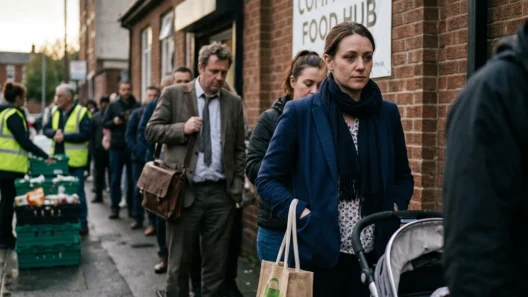
To really understand the North-South myth, we have to look at the human cost of these policy failures. It’s easy to talk about GDP and investment ratios, but the real impact is felt in the queues at local services. While the North is often painted as the epicentre of hardship, it’s important to recognise that poverty doesn't respect regional borders. We see this in our reporting on East London food banks, where families are living in what can only be described as a hurricane of rising costs and stagnant wages.
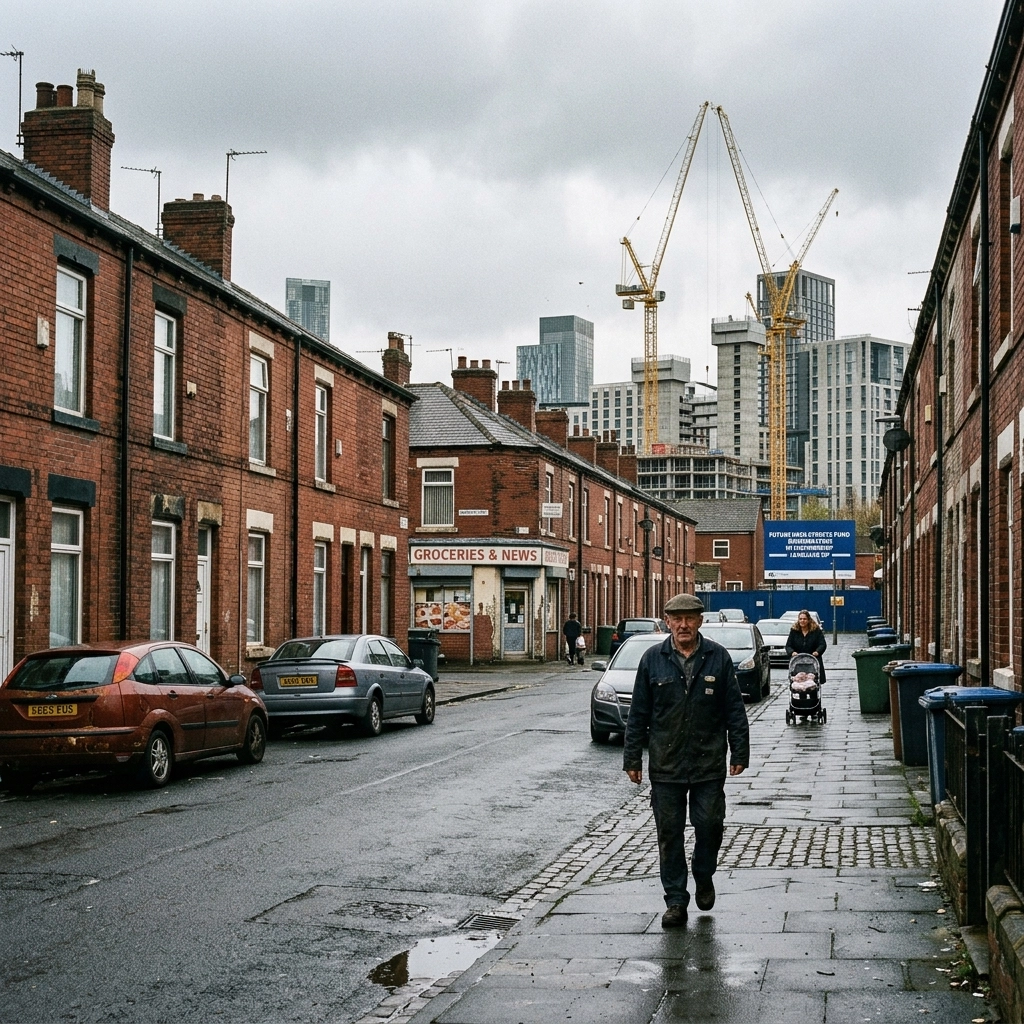
The myth of the ‘wealthy South’ often hides the desperate pockets of deprivation in the capital and its surrounding counties. Conversely, the myth of the ‘dying North’ ignores the incredible resilience and innovation happening in cities like Manchester, Leeds, and Newcastle. The problem with the levelling up narrative is that it treats entire regions as monoliths. It fails to account for the fact that a tech worker in Leeds might have more in common with a designer in London than with someone struggling in a former mill town twenty miles away.
Our mission is to bring these untold stories to the surface. We see the impact of underfunding in every corner of the country, from the lack of youth services that leads to rising crime to the overstretched NHS trusts. The widening gap isn't just between the North and South; it’s between those who have access to opportunity and those who are shut out by the postcode they were born in. When central government holds all the purse strings, local communities lose the ability to solve their own problems. True levelling up would mean giving these communities the power and the predictable, long-term funding they need to build their own futures.
Real Solutions for a Divided Nation
So, where do we go from here? If the current approach to levelling up isn’t working, what will? The consensus among many economic experts and local leaders is that the UK needs a radical shift toward devolution. This isn't just a political buzzword; it’s about moving the decision-making power out of Whitehall and into the hands of people who actually live and work in the regions being discussed. When local leaders have the authority to integrate transport, education, and housing policies, they can create a cohesive strategy that works for their specific needs.
However, devolution without the proper financial backing is just another form of passing the buck. For the North-South divide to truly narrow, there needs to be a long-term commitment to redistributing wealth and investment. This means moving beyond one-off ‘pots’ of money that councils have to fight over and moving toward a system of fair, needs-based funding. It also requires a focus on the ‘social infrastructure’ of our towns: the libraries, community centres, and parks that make a place worth living in. These are often the first things to go when budgets are tight, but they are the very things that hold a community together.
We must also challenge the cultural narrative that prioritises the South East as the only engine of the UK economy. There is immense talent and potential across the UK, but it is being stifled by a system that is centralised to a fault. By supporting independent news uk and listening to the voices that are usually ignored, we can begin to build a clearer picture of what the country actually needs. The North-South myth has served its purpose for politicians, but for the people living through it, the truth is much simpler: they want fair treatment, decent services, and the chance to thrive regardless of their geography.
The journey toward a more equal UK is not going to be easy, and it certainly won't be achieved through slogans alone. It requires a fundamental rethink of how our country is governed and where our priorities lie. Until we address the systemic issues that keep the regional divide alive, levelling up will remain a myth rather than a reality. It is only by facing the truth of our funding gaps and the reality of our social challenges that we can begin to bridge the divide for good.
The persistent regional inequalities in the United Kingdom are the result of decades of centralised policy and skewed investment priorities. While the terminology of "levelling up" provided a temporary spark of hope for many communities, the practical application has often fallen short of the change required. Addressing the North-South divide means moving away from competitive bidding for small pots of capital and toward a sustained, devolved system of governance and fair funding. Recognising the nuances of poverty and potential across all regions of the UK is the first step towards creating a balanced national economy that serves everyone.