Scheduled: 2026-04-20 18:00
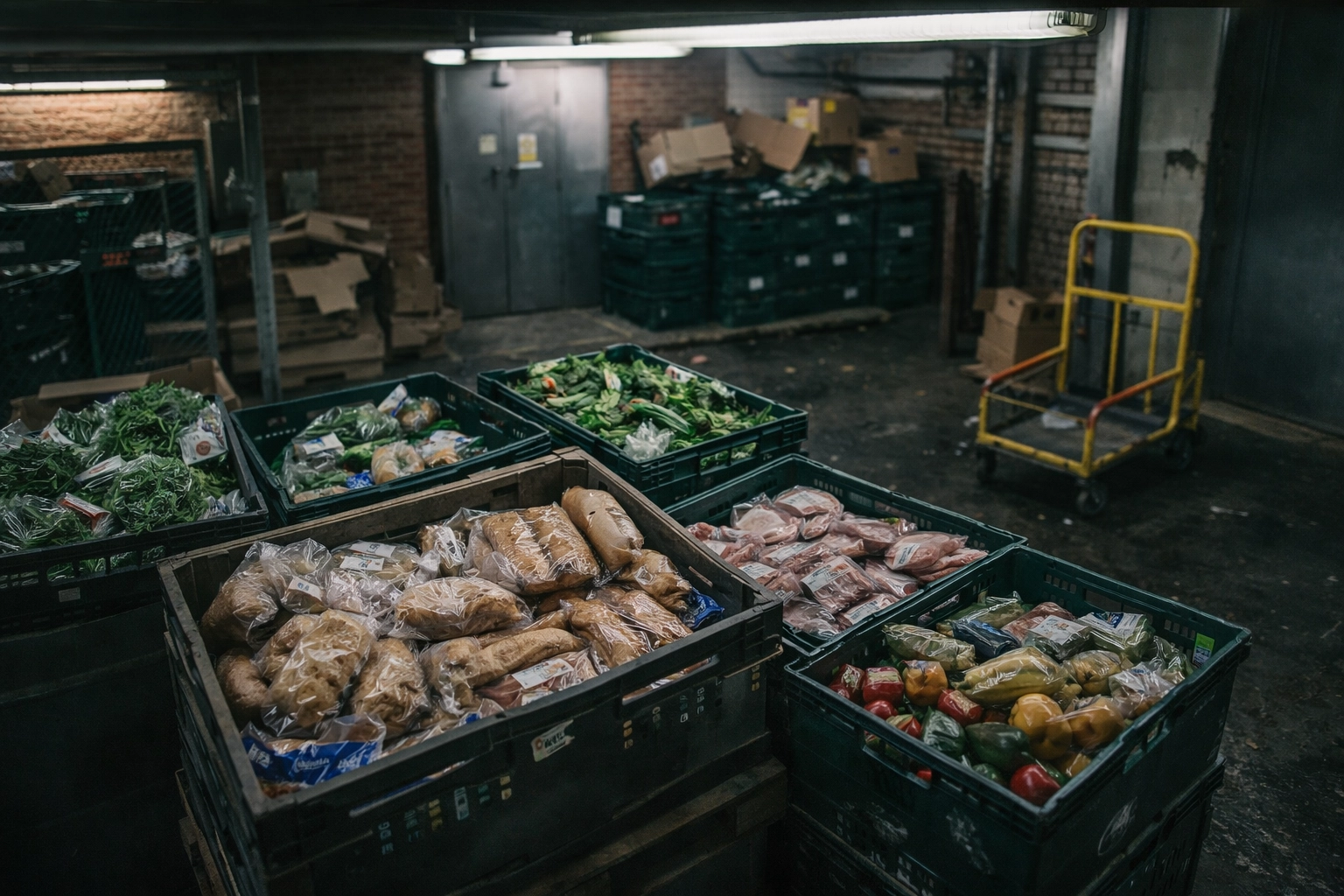
Walking into a British supermarket can feel normal enough until you stop and think about what happens after closing time. The bright lights, neatly stacked fruit and the smell of fresh bread all help create a sense of abundance. But behind that polished display sits a system that often produces far more waste than shoppers ever see. For readers following independent news uk, this is one of those untold stories hiding in plain sight.
To understand why this happens, we have to look past the marketing. Supermarkets operate on a model that prioritises the appearance of plenty over the reality of efficiency. When you see a shelf that is only half-full of bread at 8:00 PM, you might think the store is doing a great job of managing its stock. In the eyes of a retail executive, however, that half-empty shelf is a failure. It represents a lost opportunity for a sale and a psychological signal to the customer that the store is "running out." To avoid this, stores are often incentivised to overstock, ensuring that even the final customer of the day sees a wall of options. This built-in surplus is a core part of the business model, but it is one of the many things supermarkets aren't keen to discuss in their annual sustainability reports.
Why the shelves stay full
A lot of this waste starts with presentation. Supermarkets are built around the idea that full shelves feel reassuring, while sparse shelves suggest poor choice or lower quality. That creates pressure to keep displays looking generous until the final hour, even when demand has clearly slowed. In practice, that can mean fresh produce, bakery items and chilled food are stocked beyond what is likely to sell.
There is also the issue of strict cosmetic standards. Fruit and veg that are slightly misshapen, smaller than expected or simply less photogenic can be rejected long before shoppers ever get the chance to buy them. These are the untold stories buried in the supply chain: edible food discarded because it does not match a retail ideal rather than because anything is actually wrong with it.
The transparency problem
One of the biggest frustrations is how hard it can be to get a clear picture of the numbers. Retailers may talk about targets and sustainability plans, but that does not always tell the public how much food is being wasted at store level. For anyone interested in independent news uk, this matters because without solid reporting and proper disclosure, it becomes difficult to judge whether progress is real or simply good messaging.
Date labels add another layer of confusion. "Use by" dates are important for safety, but "best before" often relates to quality rather than risk. Even so, the habit of throwing food out the moment it reaches a printed date remains deeply ingrained. That culture affects households, charities and businesses alike, and it helps keep waste hidden behind routine decisions that feel ordinary.
What needs to change
Reducing food waste does not require a dramatic reinvention of shopping, but it does require more honesty. Stores could be clearer about surplus levels, improve redistribution, and relax some of the cosmetic rules that push edible food out of the chain too early. Consumers, meanwhile, are becoming more alert to where their food comes from and what gets thrown away before it reaches the checkout.
This is where independent reporting still matters. The more attention paid to untold stories like supermarket waste, the harder it becomes for the issue to stay tucked away behind polished branding. A more sensible system would treat food as something valuable, not disposable, and that starts with transparency, better habits and a willingness to question what shoppers have long been told to accept.