Scheduled: 20:00 today
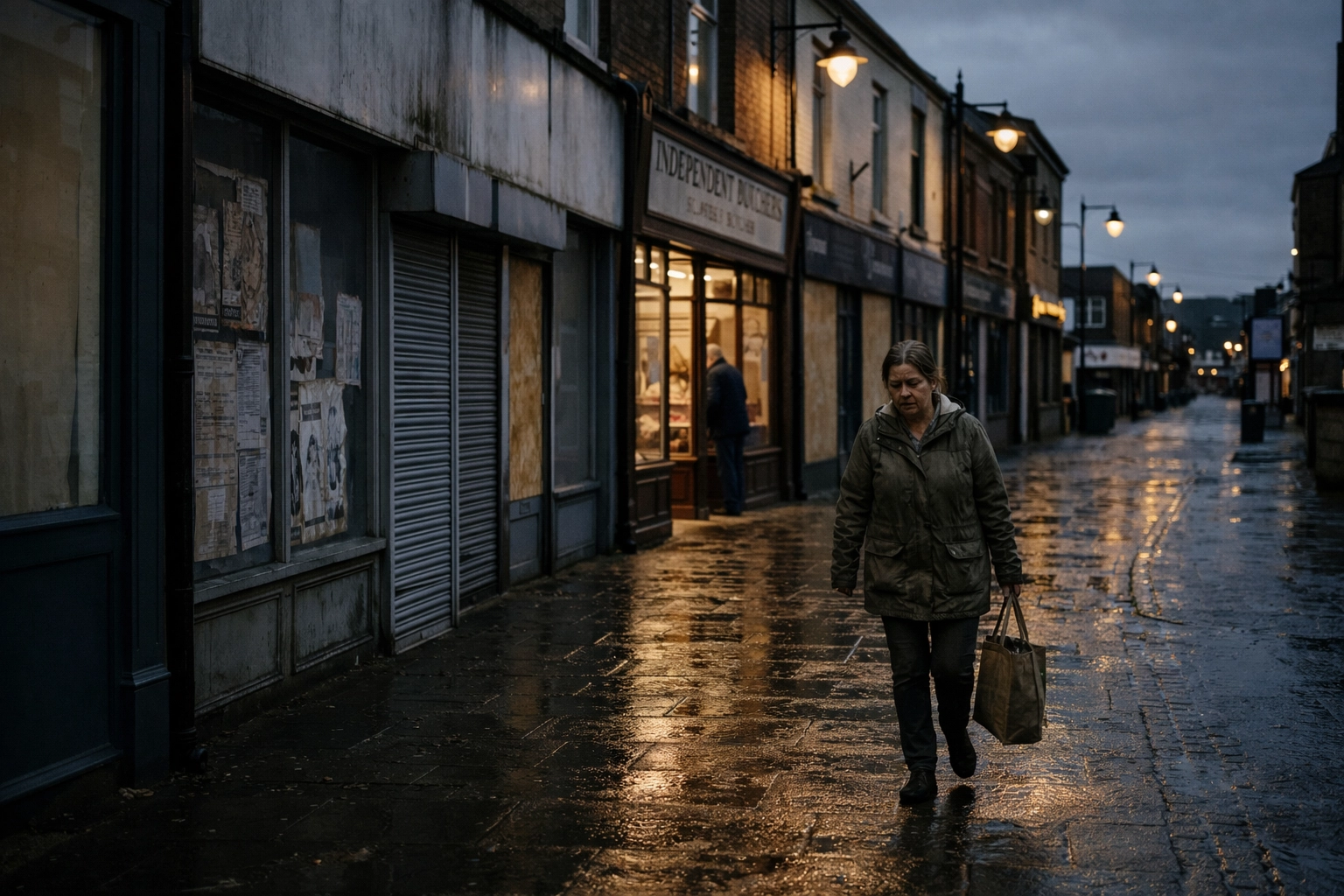
Walking down any British high street today feels a bit different than it did a decade ago. We’ve all seen the familiar sight of "To Let" signs and the grey metal shutters that seem to stay down a little longer every year. It’s easy to get swept up in claims that the high street is finished, but there’s a more interesting story underneath it all. While big-name retailers and department stores are pulling back, many local independent shops are still finding ways to keep going.
The survival of local shops isn’t just about where we buy milk or pick up a birthday card; it’s about the feel of our communities. When a shop closes, it’s not only a business disappearing. It can also mean the loss of a meeting point, a local job, and a bit of the area’s identity. In independent news uk, these are exactly the kinds of untold stories that matter because they shape everyday life in ways that national statistics often miss.
The changing face of our town centres
It’s no secret that the numbers look a bit grim on paper. In 2024 alone, we saw over 12,000 chain store outlets close their doors across the UK. Names that were once considered "anchor stores": the big players that brought everyone into town: are disappearing. But here’s the twist: while the chains are struggling with their massive overheads and rigid corporate structures, many independent retailers are finding ways to adapt.
The decline is real, though. Experts estimate that over the next 15 years, we could lose around 130,000 local shops if things don’t change. This hits certain sectors harder than others. Newsagents, appliance stores, and traditional clothing shops are feeling the heat from online giants the most. But people are also starting to miss the physical experience of shopping. You can’t replicate the smell of a real bakery or the advice of a specialist bookshop owner through a smartphone screen.
The "death of the high street" narrative is often a bit too simple. It’s more of a "great reshuffle." We are moving away from the era of the "clone town," where every high street looked exactly the same with the same five coffee shops and three chemists. Now, town centres are being forced to become unique again. The shops that are surviving are the ones that offer something you can't get with a "click and collect" service: personality, expertise, and a sense of belonging.
Why the deck is stacked against local heroes
So, why is it so hard for a local shop to keep the lights on? It’s not just about everyone shopping on their sofas. There are some serious structural issues in the UK that make life difficult for small business owners. One of the biggest villains in this story is the business rates system.
Currently, business rates are based on commercial rents from years ago. This means many shopkeepers are paying taxes based on a booming economy that doesn't exist anymore. While online giants can run their entire operations out of a warehouse in the middle of nowhere with relatively low rates, a small boutique on a main street is hit with a massive bill just for existing. It’s an uneven playing field that many believe is the single biggest threat to local shops.
Then there’s the issue of fragmented ownership. In many UK towns, the buildings on the high street aren't owned by the people who live there. They are owned by massive pension funds or offshore investment firms that might not even know where the town is. If a shop struggles and needs a rent reduction to survive, it’s often impossible to get a human being on the phone to negotiate. These landlords would sometimes rather have a building sit empty for tax reasons than lower the rent for a local entrepreneur.
The drive for more sustainable living actually favours the local shop. Buying local reduces carbon footprints and keeps money circulating in the local economy. But without a change in how we tax and manage our physical spaces, even the most eco-conscious shopkeeper will struggle to pay the bills.
Reimagining the future of the high street
If the old model of the high street is broken, what comes next? The most successful towns are the ones that aren't just trying to "save retail," but are trying to "save the town centre." This means moving away from the idea that a high street should only be for shopping.
We are seeing a move towards "mixed-use" development. Imagine a high street where people live in the flats above the shops, work in shared office spaces nearby, and visit the doctor or the library all in the same square mile. This creates "natural footfall." If people live and work in the centre, they are much more likely to pop into the local green-grocer or grab a coffee at the independent café.
Community-led initiatives are also showing us the way. In places like Dumfries or Hebden Bridge, locals have taken matters into their own hands. They’ve formed community benefit societies to buy up empty buildings and rent them out at affordable rates to local businesses. This keeps the profit: and the decision-making power: within the town. These examples show that when the system fails, people still find ways to build something better.
Adaptive reuse is another big trend. We’ve seen old department stores turned into everything from indoor markets and art galleries to vaccination centres and even urban farms. The high street of the future might have fewer shops, but the shops that remain will be more specialised. They will be places where you go for an experience, a workshop, or a chat, rather than just a transaction.
The survival of the high street isn't just a nostalgic dream. It’s a practical necessity for a healthy society. High streets act as the "living rooms" of our towns, providing a space for people to meet and interact. As we move further into a digital age, these physical touchpoints become even more valuable.
Supporting local shops isn't just about charity; it’s about choosing the kind of world we want to live in. Every time we choose the local butcher over the supermarket or the independent bookstore over the online giant, we’re casting a vote for a more vibrant, unique, and connected community. The high street is changing, certainly, but with a bit of creative thinking and a fair shake from the taxman, our local shops can do more than just survive: they can thrive.
The challenges are significant, from outdated taxation to the dominance of global e-commerce platforms. However, the resilience shown by independent retailers and community groups suggests that the British high street is entering a new chapter rather than reaching its end. By focusing on unique experiences, community ownership, and multi-purpose spaces, our town centres can remain the beating hearts of our local areas for generations to come.