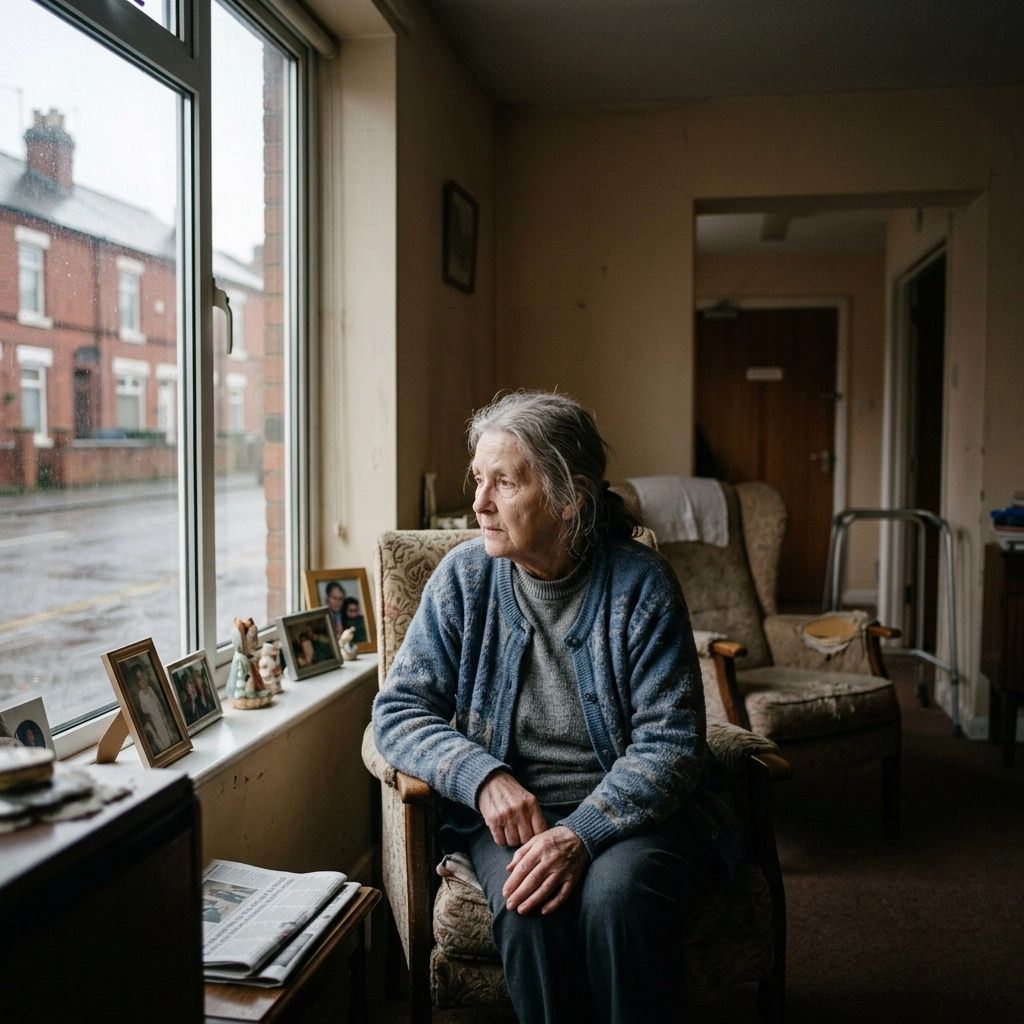
It is often said that the mark of a civilised society is how it treats its most vulnerable members. In the United Kingdom, our care homes are meant to be sanctuaries for the elderly and those requiring specialised support: places where dignity, safety, and comfort are the baseline. However, recent investigations have pulled back the curtain on a reality that is far more unsettling. While many dedicated staff members work tirelessly to provide excellent care, a growing body of evidence suggests that a systemic neglect crisis is simmering beneath the surface, leaving thousands of residents in precarious and often heartbreaking conditions.
At NowPWR, we believe in bringing you independent news uk residents can trust, focusing on the untold stories that often slip through the cracks of the 24-hour news cycle. The scale of the issues currently facing our care sector is staggering, and the data paints a picture of a regulatory system that is struggling to keep pace with a mounting pile of concerns. When we look at the numbers and the lived experiences of families across the country, it becomes clear that this is not just a series of isolated incidents, but a national challenge that requires urgent conversation.
The stories emerging from these facilities are difficult to hear. We are talking about reports of residents left with unexplained bruises, individuals suffering from severe hygiene failures, and in the most extreme cases, even reports of maggots found in untreated wounds. These aren't just statistics; they represent real people: parents, grandparents, and siblings: who have been let down by the very systems designed to protect them. As we dive deeper into this investigation, we have to ask ourselves how we reached a point where so many cries for help appear to go unanswered.
The Human Cost of Systemic Silence
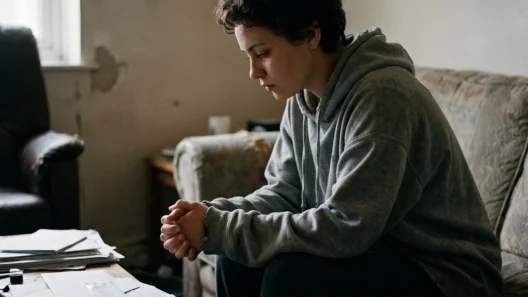
Behind every report of neglect is a person whose quality of life has been severely compromised. One of the most distressing aspects of the current crisis is the nature of the physical neglect being reported. Families have come forward with accounts of their loved ones being left unwashed for days, or even weeks, at a time. In some instances, residents who require assistance with basic needs like hydration and nutrition have been found in states of severe dehydration. These are basic human rights, yet for many in the care system, they have become luxuries that are not always guaranteed.
The issue of unexplained bruises is particularly haunting for families. When a relative is found with marks on their body and the care home cannot provide a clear account of what happened, it creates a vacuum of trust. While some bruises can be attributed to the frailty of age or accidental falls, the lack of transparency and documentation in many homes suggests a deeper problem with oversight. These untold stories often remain within the walls of the institutions because families fear that speaking out might lead to repercussions for their loved ones.
Perhaps the most shocking revelation involves the presence of maggots in wounds. This level of neglect indicates a complete breakdown in clinical care and basic hygiene monitoring. For a wound to reach such a state, it must be left uncleaned and unobserved for a significant period. It is a graphic illustration of what happens when staffing levels are stretched so thin that even the most basic medical checks are missed. This isn't just "poor service"; it is a fundamental failure of the duty of care that every provider signs up for.
Statistics That Demand Our Attention
When we move from individual anecdotes to the broader data, the scope of the problem becomes even more alarming. Recent figures indicate that over 67,000 concerns regarding neglect and poor care were raised with the relevant authorities and regulatory bodies over a two-year period. This is a massive volume of complaints, representing tens of thousands of families who felt strongly enough about the care being provided to formally lodge a grievance. It suggests that the issues we are seeing are not limited to a few "bad apples" but are widespread across the sector.
However, the most concerning statistic is the response rate to these complaints. Out of those 67,000+ concerns, it is estimated that only about 3.6% led to physical inspections by the regulatory bodies. This means that the vast majority of reports: cases involving potential abuse, hygiene failures, and serious neglect: were handled through administrative means or simply filed away without an on-site visit to verify the safety of the residents. In a system where only 3.6% of red flags result in a boots-on-the-ground investigation, it is inevitable that many residents remain in harm's way.
This regulatory gap creates a sense of impunity for providers who prioritise profit over people. If a care home knows that the likelihood of an unannounced inspection following a complaint is statistically tiny, the incentive to maintain high standards or investigate internal failings is significantly diminished. For those seeking independent news uk focused, this data highlight a worrying trend where the safety net for the elderly has become more of a sieve. The lack of robust oversight means that the burden of monitoring care falls almost entirely on the families, many of whom are not equipped to navigate the complex legal and medical landscape of social care.
Barriers to Accountability and Reform
If the neglect is so severe and the complaints are so numerous, why is more not being done? The answer lies in a complex web of funding crises, staffing shortages, and a culture of silence. The UK care sector has been underfunded for decades, and the rising cost of living and energy has only exacerbated the pressure on care home budgets. Many facilities are operating on razor-thin margins, leading to a reliance on agency staff who may not have the same level of familiarity with residents' needs or the same commitment to the home’s long-term standards.
Furthermore, there is a worrying trend of retaliation against those who do speak up. Some families have reported being banned from visiting their relatives or having their loved ones' contracts terminated after they raised concerns about neglect. This "visitor ban" tactic is a powerful tool for silencing dissent. Families are faced with an impossible choice: stay silent and watch the neglect continue, or complain and risk being separated from their family member entirely. This dynamic keeps many of the most serious untold stories hidden from the public eye and prevents the kind of collective action needed for reform.
The staffing crisis also cannot be ignored. Care work is notoriously low-paid and emotionally demanding, leading to high turnover rates across the industry. When a home is constantly understaffed, the remaining workers are forced to prioritise "task-based" care: feeding, dressing, and medicating: leaving no time for the personal interaction and detailed observation that prevent neglect from setting in. Until we address the fundamental value we place on care work and the people who perform it, the cycle of neglect is likely to continue. We need a system that doesn't just react to the most horrific cases of abuse but proactively supports a high standard of living for every resident.
Addressing the hidden neglect crisis in UK care homes requires more than just increased funding; it requires a complete shift in how we regulate and value the care of our elderly. The current inspection rate is clearly insufficient to ensure safety, and the barriers to reporting must be dismantled to protect whistleblowers and families. By bringing these issues into the light and demanding better for our residents, we can start the process of rebuilding a care system that truly lives up to its name.
The evidence is clear: the current situation is unsustainable. As we look towards the future of social care in the UK, the focus must remain on transparency, accountability, and the restoration of dignity for those living in care facilities. It is only through rigorous oversight and a commitment to hearing the voices of the vulnerable that we can hope to turn the tide on this neglect crisis.