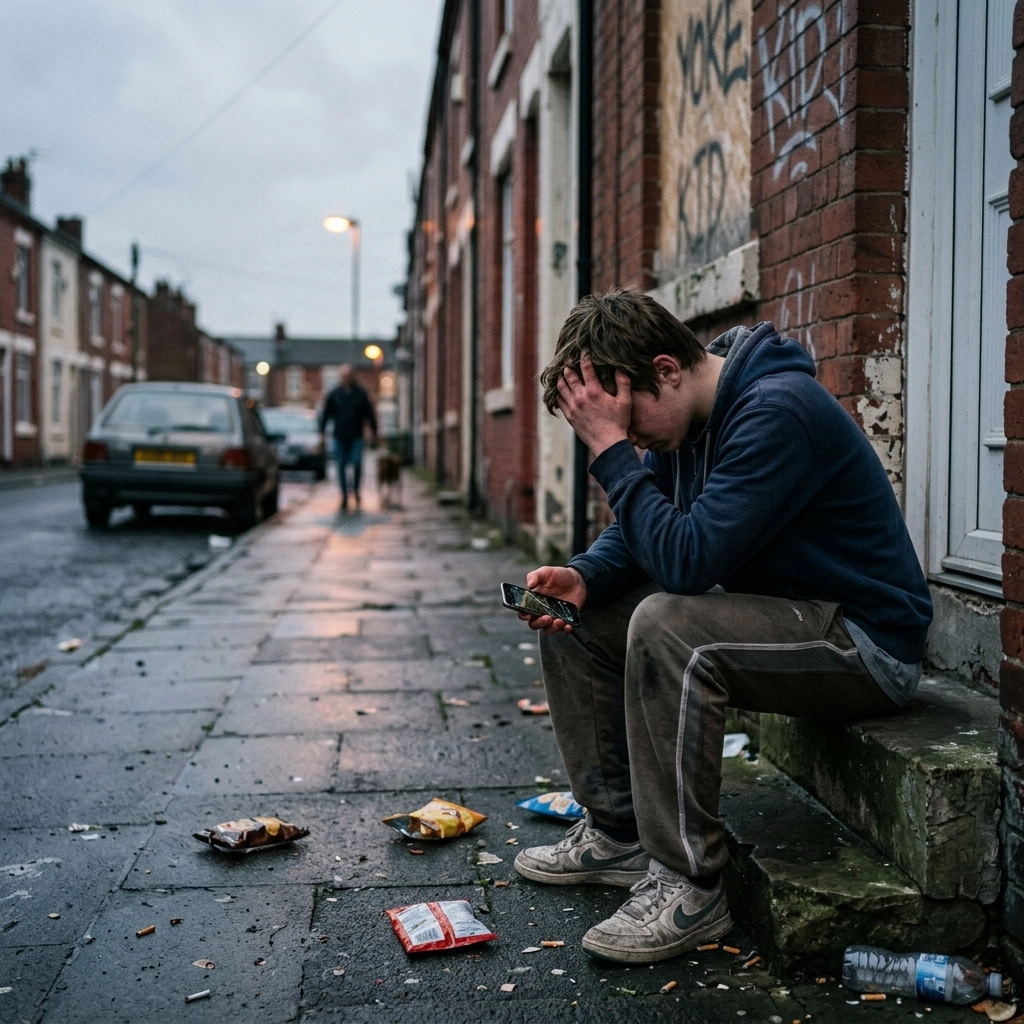
It has been roughly a decade since the term ‘County Lines’ first started appearing in police reports and news headlines across the United Kingdom. Back then, it felt like a new, terrifying phenomenon: a sophisticated way for urban gangs to expand their drug empires into rural towns using dedicated mobile phone lines. But for the children who were recruited in those early days, this wasn’t just a headline. It was the beginning of a life sentence. As an outlet for independent news uk, we believe it is vital to revisit these untold stories to understand the true, long-term cost of this exploitation.
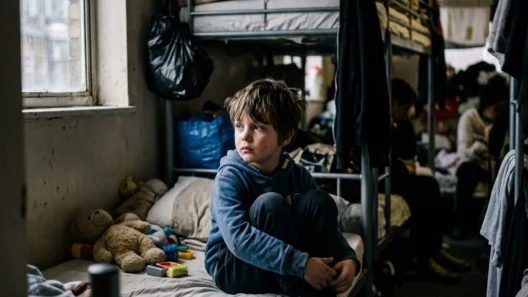
When we talk about County Lines, we often focus on the arrests, the drug seizures, and the logistics of the 'line' itself. What we don’t talk about enough are the children, some as young as twelve, who are now young adults carrying the physical and psychological weight of a decade of trauma. The scars aren’t just the ones you can see on their skin; they are etched into their minds, manifesting as psychosis, extreme paranoia, and a total loss of trust in the world around them.
Take the story of Lucy. When Lucy was thirteen, most of her peers were navigating the minor dramas of Year 8. Lucy, however, was being groomed by a gang. She was bright, a bit rebellious, and looking for a sense of belonging. The gang gave her that: at first. They gave her gifts, attention, and a sense of importance. But the 'honeymoon phase' of grooming is short-lived. Very quickly, the gifts turned into debts, and the attention turned into threats.
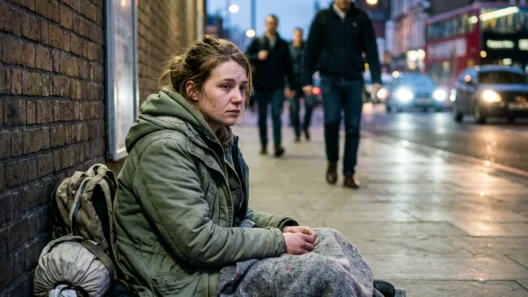
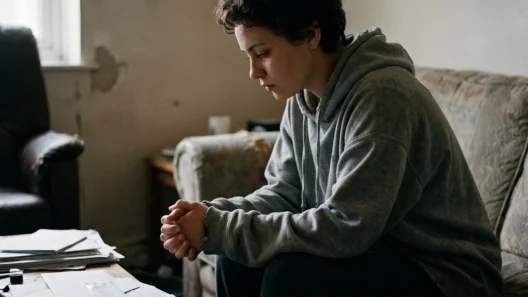
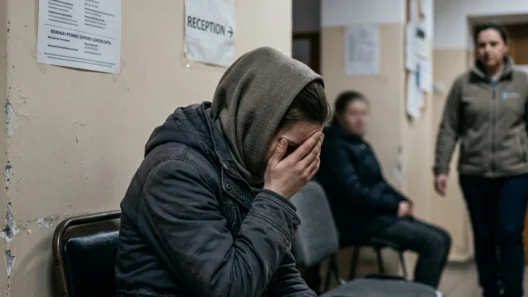
By the time she was fourteen, Lucy was being sent on 'runs' to coastal towns hundreds of miles from her home. She was missing school, missing meals, and eventually, she was missing for weeks at a time. The turning point came when she was robbed while carrying a shipment. The gang didn't see her as a victim of a crime; they saw her as a liability. To 'teach her a lesson,' she was stabbed and left in an alleyway. Today, Lucy is in her early twenties. She lives in a secure refuge, far from her family. She has been sectioned multiple times under the Mental Health Act. She can’t walk to the local shop without checking behind her every few seconds. Her life is a cycle of hypervigilance and fear: a permanent state of being 'on edge' that no amount of therapy has yet been able to break.
The Invisible Chains of Exploitation
The mechanics of County Lines recruitment are designed to be inescapable. It usually starts during the vulnerable transition from primary to secondary school. This is a time when children are desperate to fit in and are often seeking new role models. Gangs identify these children: not just the 'troubled' ones, but anyone who might have a slight crack in their support system.
The primary tool used by these gangs is debt bondage. It’s a simple, cruel trick. A gang member might 'lend' a child a pair of expensive trainers or some cash. Or, more nefariously, they might stage a robbery where the child 'loses' a bag of drugs they were asked to hold. Suddenly, that child owes the gang thousands of pounds. To a thirteen-year-old, a £2,000 debt might as well be a million. They feel they have no choice but to work it off. This is the moment the child stops being a person and becomes an asset to be used, abused, and eventually discarded.
Once they are in the 'trap,' children are often moved to 'trap houses': properties belonging to vulnerable drug users that have been taken over by the gang. In these houses, children are exposed to extreme violence, heavy drug use, and sexual exploitation. They are expected to be the face of the business, the ones taking the risks on the street while the 'elders' stay safely in the city. They are the ones who get arrested, and they are the ones who get attacked by rival gangs.
A Decade of Lost Innocence
For those who don't make it out, or who are caught in the crossfire, the consequences are final. This brings us to the story of Olly. Olly was only thirteen when his involvement with a local group turned fatal. He wasn't a 'kingpin' or a hardened criminal; he was a child who had been manipulated into a world he didn't understand. When Olly realised the danger he was in and tried to distance himself, the gang decided he knew too much. Olly was stabbed to death in a park, a place where he should have been playing, not fighting for his life.
The tragedy of Olly isn't just his death; it's the ripple effect it had on his community and the dozens of other 'Ollys' whose names never make the national papers. For every child who dies, there are hundreds more who are 'socially dead': trapped in a cycle of prison and re-offending. When a child is arrested for drug running, the legal system often treats them as a criminal first and a victim of modern slavery second. This leads to a criminal record that follows them for the rest of their lives, making it almost impossible to find legitimate work later on.
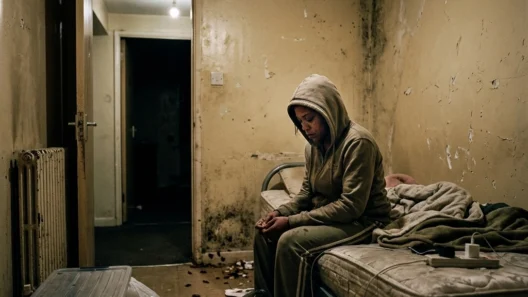
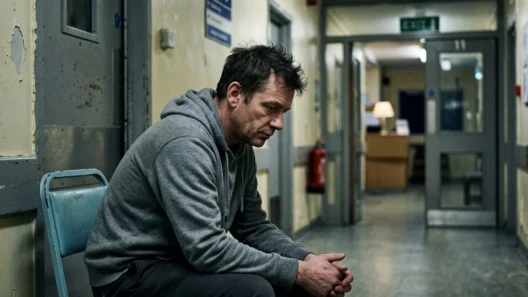
The long-term mental health impact is perhaps the most devastating aspect of this decade-long crisis. We are seeing a generation of young people entering their twenties with the kind of PTSD usually reserved for combat veterans. Many have experienced 'cuckooing': living in squalor while managing the needs of addicts and the demands of their handlers. The constant threat of violence leads to a break from reality. We have seen cases where victims, pregnant at fourteen or fifteen as a result of exploitation, have developed severe psychosis, unable to bond with their children or function in society.
Breaking the Cycle for the Next Generation
If we are to address the scars left by County Lines, we have to change how we view the children involved. They are victims of criminal exploitation, a form of modern slavery that thrives on our collective tendency to look the other way. The 'tough on crime' rhetoric often fails these children because it focuses on the act rather than the coercion behind it.
Supporting survivors like Lucy requires more than just a roof over their heads. It requires intensive, long-term mental health support that recognises the specific nature of gang-related trauma. It also requires a systemic shift in how schools and social services identify the early signs of grooming. The transition to secondary school is the 'red zone,' and that is where our resources should be focused. We need to empower teachers and parents to recognise the subtle changes in behaviour: the new clothes, the second phone, the sudden change in friendship groups: before the debt bondage takes hold.
The last ten years have shown us that we cannot arrest our way out of this problem. For every 'line' that is shut down, another two spring up. The only way to truly defeat the County Lines model is to make the exploitation of children impossible. This means providing real alternatives for young people, rebuilding the social safety nets that have been frayed over the last decade, and ensuring that those who do escape are given the tools to heal.
The stories of Lucy and Olly are not outliers; they are the reality for thousands of families across the UK. Their scars serve as a reminder that the cost of the illegal drug trade is paid for in the currency of our children's futures. As we look toward the next decade, we must decide if we are willing to let more 'untold stories' be written in blood and trauma, or if we are finally going to provide the protection and care these children deserve.
The journey to recovery for a County Lines survivor is long and fraught with setbacks. Many will struggle with their mental health for the rest of their lives, carrying the weight of things no child should ever see. However, by acknowledging the scale of the trauma and treating it with the seriousness it deserves, we can start to offer a path back toward some semblance of a normal life. It is the least we owe to the children who were lost in the lines.