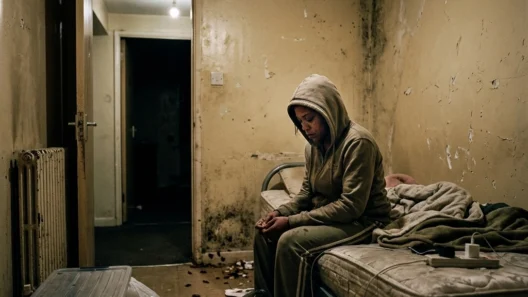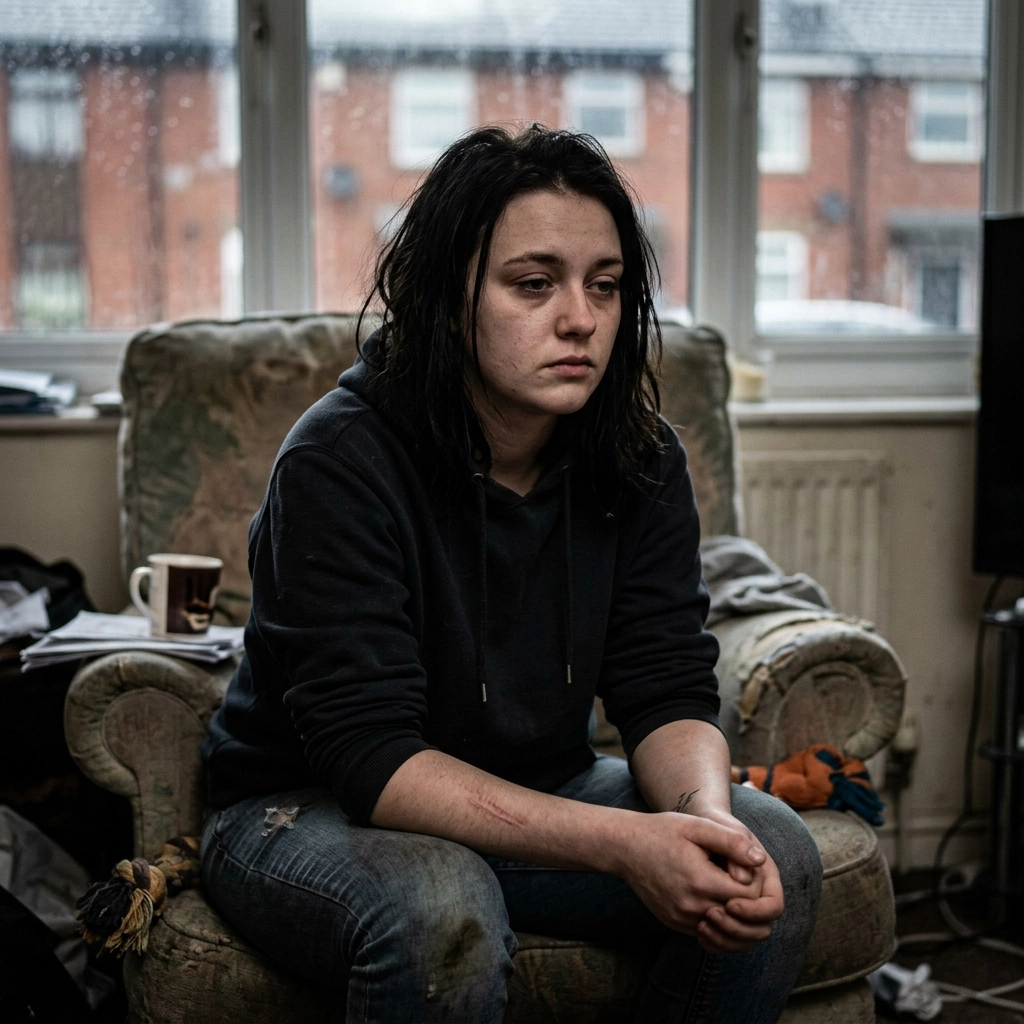
At NowPWR, we believe that some of the most important work we do involves bringing light to the untold stories that often slip through the cracks of the mainstream narrative. When we look at the landscape of independent news uk, there is a pressing need to discuss the reality of child exploitation without the polished, often distancing lens of traditional reporting. Today, we are looking at the harrowing journey of Scarlett West, a young woman from Manchester who was failed by almost every system designed to keep her safe. Her story isn’t just about the cruelty of groomers; it is about the systemic apathy that allowed a child to be trafficked under the noses of those meant to protect her.
Scarlett’s life changed forever when she was just 13 years old. Living in Greater Manchester, she was a bright student with a passion for horses and a stable home life. This detail is crucial because there is a common misconception that grooming only happens to children from broken homes or those already in the care system. Scarlett’s case proves that any child can be targeted. Her descent into a world of unimaginable abuse began on a night that should have been filled with nothing more than teenage fun: Halloween 2018.
The Start of a Nightmare in Plain Sight
On that October night, Scarlett and a friend were at a bus station in Hyde when they were set upon by a gang of roughly 17 youths. This wasn't just a bit of rowdiness; it was a violent, targeted attack. The gang members, some of whom were already known to the local authorities, threatened Scarlett with a knife and even attempted to set her on fire. It is a moment that would traumatise anyone, but for a 13-year-old, the psychological impact was profound. In a tragic twist that groomers often exploit, Scarlett didn’t retreat from her attackers. Instead, she felt she had to join them to stop the bullying and the threats. This is a classic tactic used by predatory networks: they create a state of fear and then offer the "protection" of the group as the only way out.
Soon after, the grooming shifted from peer-group pressure to a more orchestrated form of exploitation. An older woman, in her early 20s and connected to the gang, began to take an interest in Scarlett. To a young teenager, this attention can feel like a sophisticated friendship, but in reality, it was the beginning of the end of Scarlett’s childhood. This woman began supplying Scarlett with drugs, specifically cannabis, and slowly pulled her away from her family and her hobbies. Her father, Marlon, noticed the changes almost immediately. The daughter who loved her horse was suddenly disappearing for entire weekends, coming home with unexplained money, and smelling of smoke.
Marlon did what any parent would do: he went to the authorities. He reached out to the police and social services, expecting an immediate and robust intervention. He provided names, locations, and clear evidence that his daughter was being influenced by dangerous individuals. However, instead of finding a lifeline, he found a brick wall of bureaucracy and indifference. This is where the story shifts from a local crime to a massive failure of the state. It is one of those untold stories that needs to be shouted from the rooftops because it reveals a culture of victim-blaming that still persists in our social structures.
When Systems Built to Protect Actually Fail
The statistics in Scarlett’s case are staggering. Her father reported her missing approximately 130 times. Think about that for a second: 130 times a father had to call the police to say his child was gone. Rather than seeing this as a cry for help from a desperate family, the police in Manchester reportedly told Marlon to stop calling. They began closing the missing person cases the very next morning, even when Scarlett hadn't returned home. It was as if the paperwork had become more important than the child.
When the family turned to Tameside social services, the response was even more disheartening. Instead of identifying Scarlett as a victim of child sexual exploitation, her situation was dismissed as a "lifestyle choice." This phrase is a recurring nightmare in grooming cases across the UK. By labelling a 14-year-old’s disappearance and drug use as a choice, the authorities effectively absolve themselves of the responsibility to intervene. It suggests that a child has the agency and maturity to consent to their own destruction, which is a fundamental misunderstanding of the law and of child development.
The failures didn't stop there. In meetings with authorities, Marlon was told that he could not legally stop his 14-year-old daughter from leaving the house at two in the morning, even when she was dressed for a night out and headed to meet unknown adult men. This sense of powerlessness is something no parent should have to endure, especially when the state is meant to be a partner in safeguarding. Eventually, Scarlett was placed into the care system, a move that was supposed to keep her safe. Yet, even within the supposed "safety" of a care home, her groomers were able to maintain contact with her through social media. The digital world provided a direct line for her abusers to continue their manipulation, and the system seemed unable or unwilling to unplug it. You can read more about the need for better safeguarding in our section on petitions where we often highlight calls for legislative change.
From Manchester to the Darkest Corners of the UK
By the time Scarlett turned 14, the grooming had transitioned into full-scale trafficking. She was no longer just in Manchester; she was being moved across the country to cities she didn't even recognise. She was kept in houses with adult men who were decades older than her. During her time being trafficked, Scarlett estimates she was raped by over 60 different men. This is the brutal reality of what happens when grooming is allowed to go unchecked. She was treated as a commodity, moved from place to place to satisfy the demands of a criminal network that operated with a terrifying level of impunity.
It wasn't until Scarlett was found in a house in Rochdale, just before her 17th birthday, that the cycle of physical trafficking began to break. She was found in a property with several adult men, a situation that should have sparked an immediate, high-level criminal investigation into every single person involved. The road to recovery for Scarlett has been incredibly long and difficult. Now 20 years old, she has made the courageous decision to waive her anonymity. She isn't just a statistic; she is a voice for the thousands of other children who are currently being looked past by the system.
Scarlett’s work today involves challenging the misconceptions that led to her own abuse being ignored. She wants the public and the authorities to understand that grooming isn't a "lifestyle choice." It is a form of serious organised crime that requires a serious, organised response. Through her advocacy, she is pushing for a total overhaul of how police and social services handle reports of exploitation. As part of our inside look at the UK's social issues, we recognise that Scarlett’s story is a call to action for everyone.
The "lifestyle choice" narrative must be retired forever. No child chooses to be raped; no child chooses to be trafficked; no child chooses to be groomed. These are crimes committed against children, and the failure of the police and social services to recognise them as such is a secondary trauma that victims carry for the rest of their lives. Scarlett’s bravery in speaking out is a testament to her strength, but it shouldn't have been necessary. If the system had worked the way it was supposed to, Scarlett would have been protected at 13, not left to find her own way back at 20.
As we continue to cover independent news uk, we remain committed to highlighting these vital narratives. Scarlett West has turned her pain into a platform for change, ensuring that her story serves as a warning and a roadmap for a better, safer future for all children in the UK. It is time the authorities listened to the parents who are shouting for help, rather than telling them to stay quiet. The cost of silence, as Scarlett’s story shows, is far too high.