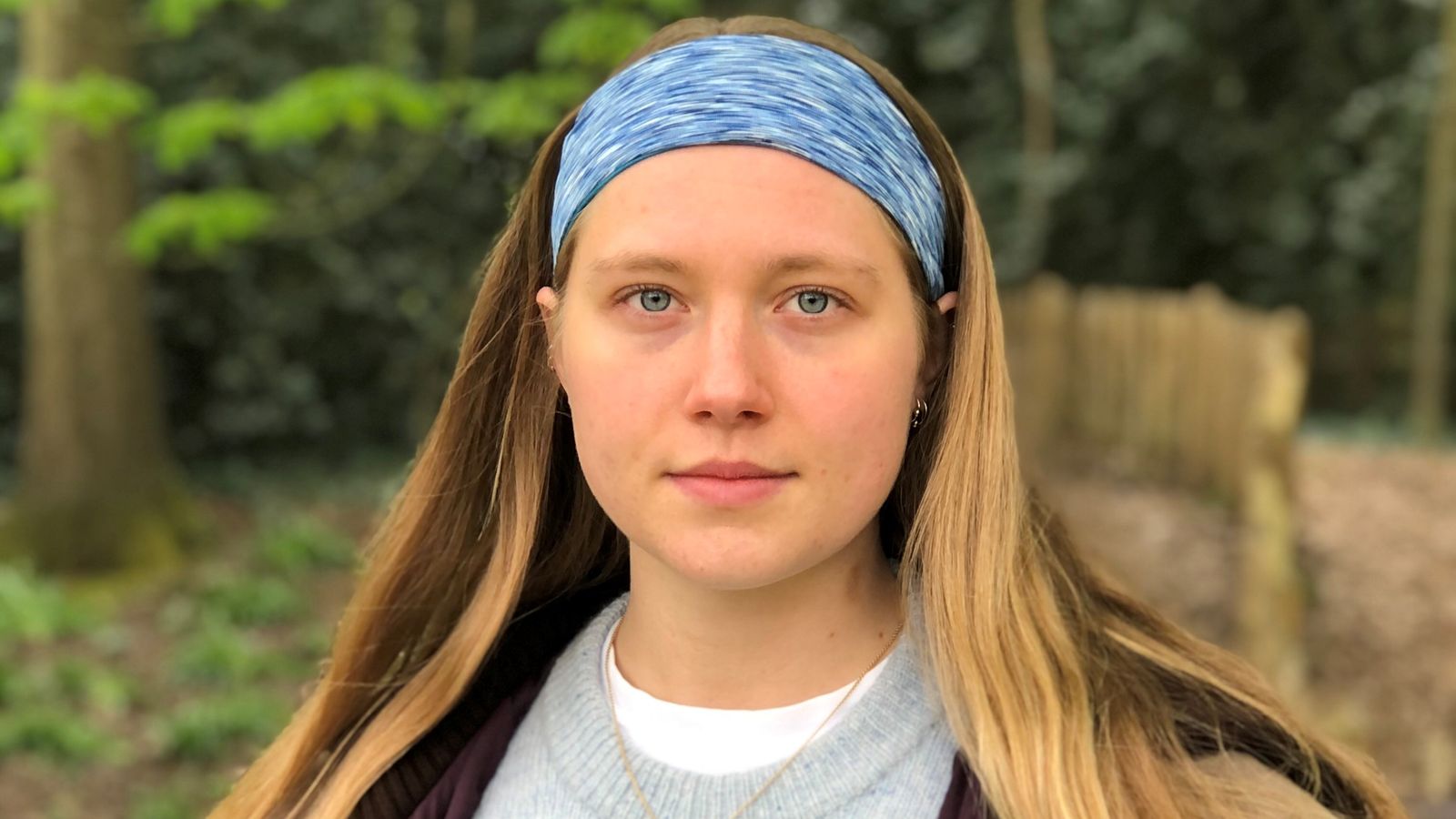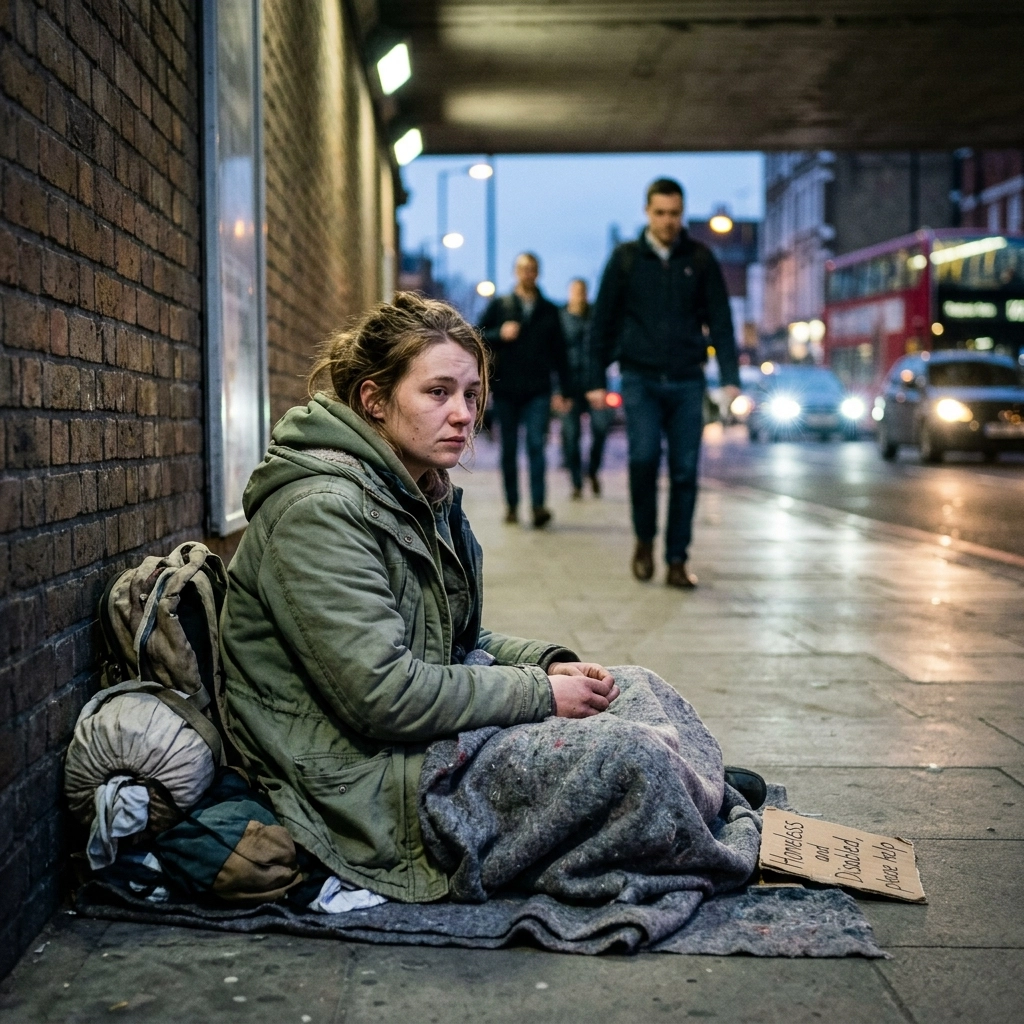
Most of us like to believe that there is a safety net waiting to catch us if everything goes wrong. We pay our taxes, we participate in society, and we assume that if a tragedy strikes, the state will step in to ensure we aren’t left out in the cold. For Chloe Leighton, a young woman who is both disabled and autistic, that safety net didn't just have a few holes in it: it essentially vanished when she needed it most. Her journey through the UK’s social care and housing system is a harrowing example of how bureaucracy can often overlook the very people it is designed to protect. At NowPWR, we are committed to sharing these untold stories because they shed light on the systemic issues that many would rather ignore.
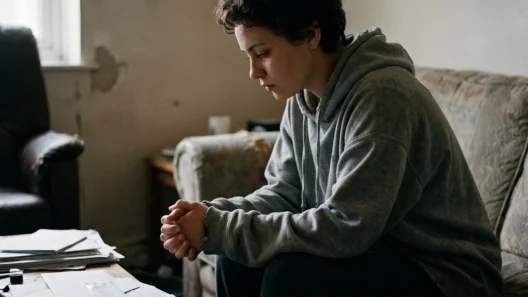
Chloe’s life changed in an instant when her father, her primary carer and support system, suffered a major stroke. In the aftermath of such a life-altering event, any person would be overwhelmed. But for someone with autism and physical disabilities, the loss of a primary caregiver isn’t just an emotional blow; it’s a logistical and existential crisis. Suddenly, the person who understood her needs, managed her environment, and provided her with security was gone. Instead of finding a system ready to provide a tailored, compassionate response, Chloe found herself navigating a maze of paperwork, inconsistent social workers, and unsuitable housing offers.
The Domino Effect of a Family Crisis
When we talk about social care, we often focus on the numbers: the budgets, the hours of care, the number of beds available. But the human element is where the system usually breaks down first. For Chloe, the breakdown started with a lack of trust. Before her father’s stroke, she had already experienced the darker side of the care system, alleging that previous carers had stolen from her. For someone who is autistic, trust and routine are the foundations of a manageable life. When those foundations are rocked by theft and then completely demolished by a parent’s medical emergency, the result is a state of constant, high-level anxiety.
Chloe’s experience with social workers wasn't the supportive partnership one might hope for. She described feeling like a "resource problem" rather than a person. This is a sentiment shared by many in the disabled community who feel that their needs are viewed through the lens of a spreadsheet rather than through the lens of human rights. When social workers are overstretched and budgets are thin, the nuances of a condition like autism: where environment and consistency are vital: often get pushed to the side. Chloe felt dismissed, noting that some professionals seemed to view her as a "waste of time" because her needs were complex and didn't fit into a neat, pre-defined box.
This lack of understanding meant that when the crisis hit its peak, the solutions offered were fundamentally flawed. The system is built on a "one size fits all" model, but Chloe’s life requires a bespoke fit. Without her father there to advocate for her, she was left to fight a battle against a system that seemed more interested in ticking boxes than in finding a home where she could actually live safely and with dignity. This is why [independent news uk] is so vital; it allows us to look past the official statements and see the reality of what happens when the "standard procedure" fails an individual so completely.
When Suitable Housing Isn’t Suitable
The crux of Chloe’s struggle with the local authorities centered on the definition of "suitable" accommodation. In the eyes of the law, a council has a duty to provide temporary accommodation to those in priority need. However, there is a massive loophole: if a person refuses an offer of accommodation, the council can claim they have discharged their duty. This puts vulnerable people in an impossible position. If the offered room is up a flight of stairs and you’re in a wheelchair, or if it’s in a loud, chaotic environment that triggers an autistic meltdown, is it really "suitable"?
Buckinghamshire Council offered Chloe temporary accommodation, which she turned down because it did not meet her needs as a disabled, autistic woman. The council’s response was swift and clinical. They sent an email stating they "no longer owe you a duty to provide you with intimate temporary accommodation" because she had refused their offer. This is a common tactic used to clear waiting lists and reduce budget pressure, but for Chloe, it meant she was officially homeless. She ended up sleeping in a car park at a pub, a situation that is dangerous and degrading for anyone, let alone someone with significant physical and sensory challenges.
The situation reached a breaking point when, at 2:30 AM, Chloe finally felt she had no choice but to accept a hotel room offered by the council. However, even this "solution" was a failure. When she arrived, the room wasn't ready, and more importantly, it wasn't wheelchair accessible. She couldn't even access the toilets in the hotel. This isn't just a minor inconvenience; it’s a fundamental breach of basic human needs. To offer a disabled person a room they cannot physically navigate is not a solution: it’s a performance of a solution. It allows the council to say they provided a bed while ignoring the fact that the person in that bed cannot even use the bathroom. This is the kind of detail often lost in mainstream reporting, making these [untold stories] all the more important to document.
A System Stretched Beyond Its Limits
To understand why Chloe was left in a car park, we have to look at the broader economic reality of the UK’s social care system. Council adult social care budgets are currently in a state of absolute crisis. In the last year alone, these budgets were overspent by nearly £600 million. When councils are facing that kind of financial black hole, their primary goal often shifts from "how do we help this person thrive?" to "how do we fulfill our minimum legal obligation for the lowest possible cost?" This financial pressure creates a culture of gatekeeping, where the goal is to find reasons to deny support rather than reasons to provide it.
Furthermore, there is a profound lack of training and resources when it comes to neurodivergence. Autism is not just a checkbox; it’s a different way of processing the world. For someone like Chloe, the "time, resources, and money" required to understand her specific needs are often the first things to be cut. When the people making the decisions don't understand the sensory and emotional requirements of an autistic person, they make decisions that are practically guaranteed to fail. You can find out more about our commitment to reporting on these systemic failures on our [about] page.
Chloe’s story is a reminder that being "in the system" doesn't always mean you are being cared for. Sometimes, the system itself becomes the obstacle. We have a legal framework that is supposed to protect the vulnerable, but when that framework is interpreted by an underfunded, overstretched, and often indifferent bureaucracy, people like Chloe fall through the cracks. It shouldn't take a media investigation for a disabled woman to get a room with an accessible toilet. It shouldn't take a tragedy for the state to recognise its duty of care.
The failures in Chloe’s case are not isolated incidents; they are symptoms of a social care sector that is struggling to stay afloat. Until there is a fundamental shift in how we value disabled and neurodivergent lives: and how we fund the services they rely on: more people will find themselves in Chloe’s position. We must continue to demand transparency and accountability from our local and national governments. If you have a story that needs to be told or want to highlight an issue in your community, you can reach out to us through our [contact] page. Our [editorial standards and ethics policy] ensures that we handle these sensitive stories with the respect and accuracy they deserve.
The current state of social care in the UK presents a significant challenge to the principles of equality and support for the vulnerable. Chloe Leighton's experience highlights the gap between legal obligations and the practical reality of service delivery. When the system treats individuals as "resource problems" rather than citizens with rights, it fails in its primary mission. Addressing these issues requires not only increased funding but also a fundamental change in the approach to disability and neurodivergence within local authorities. Documenting these experiences is a necessary step toward advocating for a more robust and compassionate social safety net.