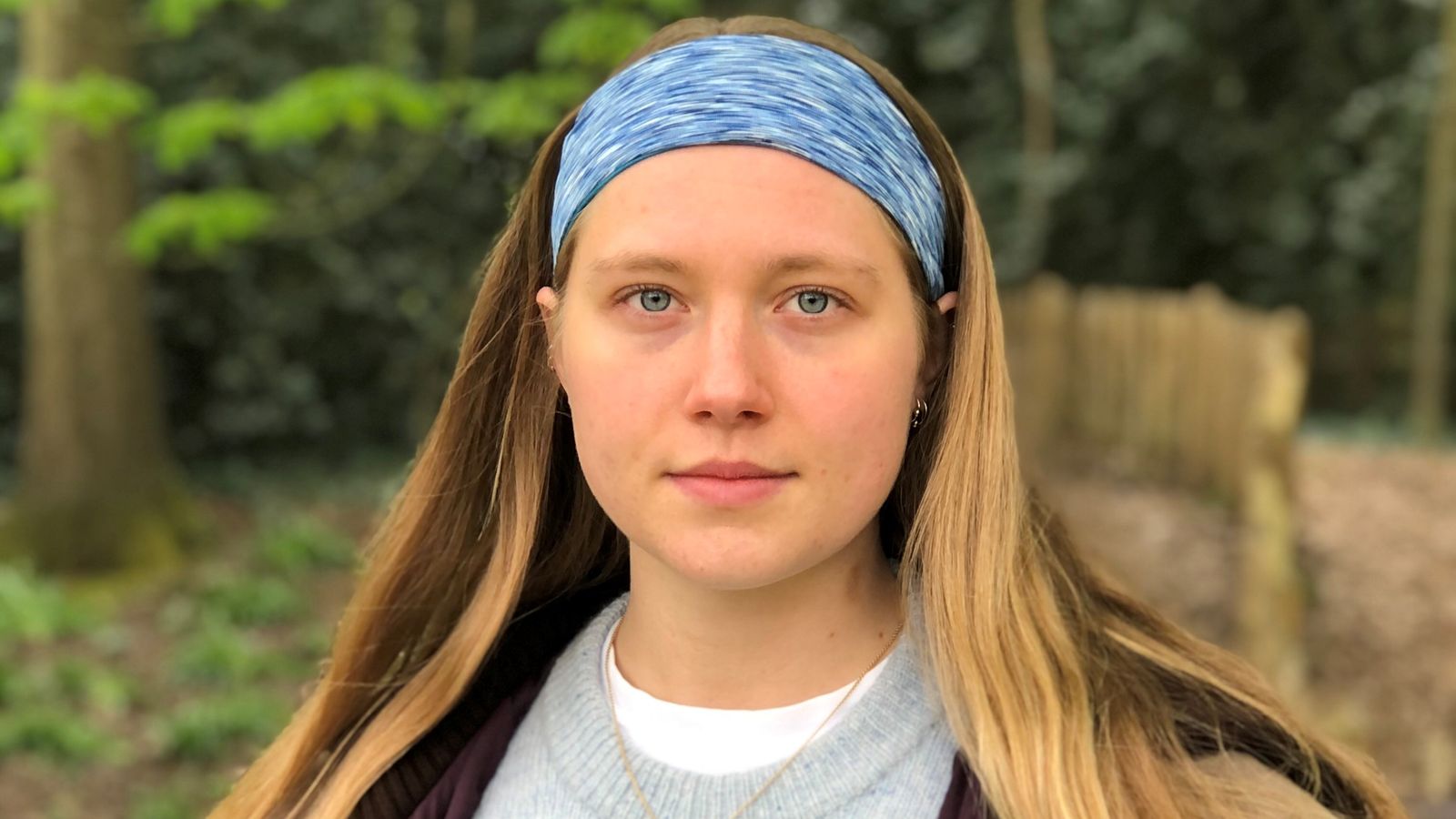
Behind the polished glass of government buildings and the thick stacks of legislative paperwork, there are thousands of children whose lives are dictated by a system that is supposed to protect them. For most of us, turning eighteen is a milestone celebrated with friends and family, a symbolic doorway into adulthood. But for those in the state care system, that birthday often represents a terrifying drop-off known as the "care cliff." Nonita Grabovskyte was one of those young people, and her story is one of the most heartbreaking untold stories of recent years.
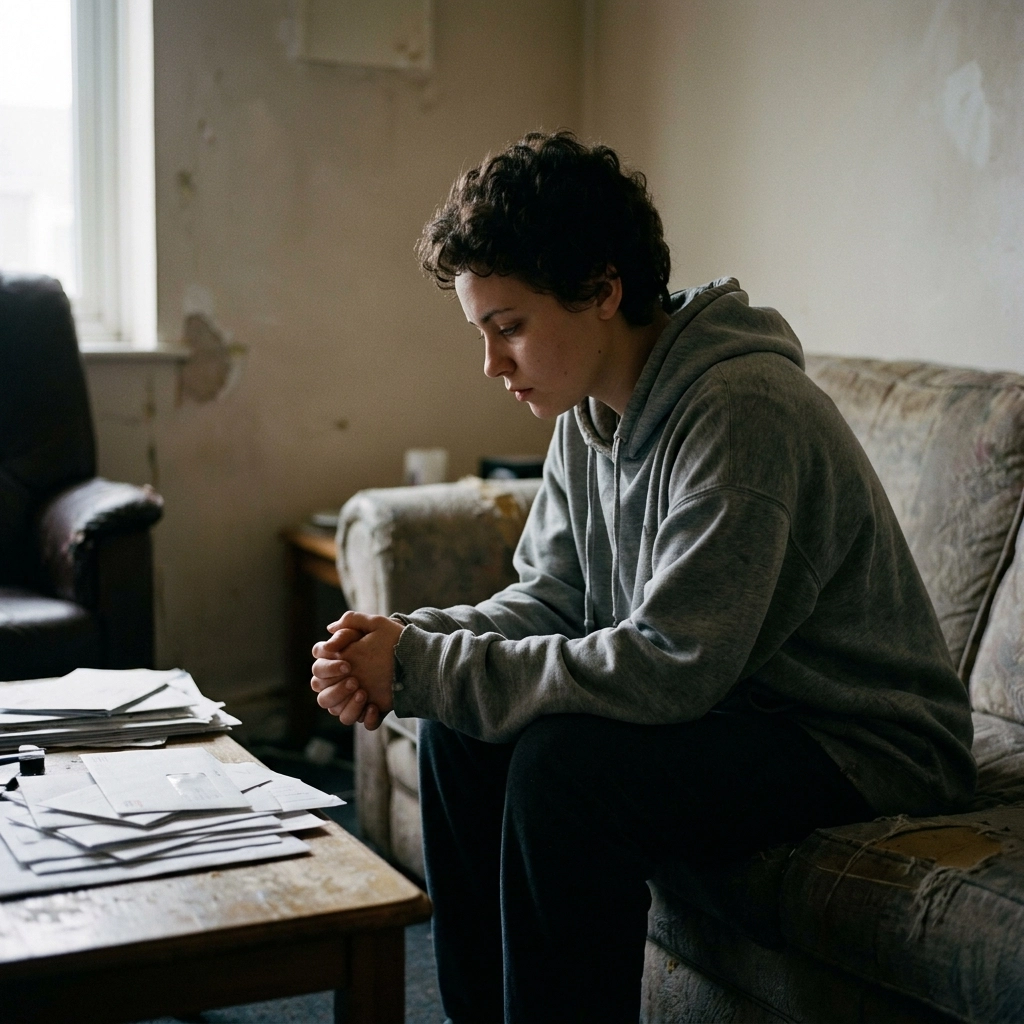
Nonita’s life was marked by a series of vulnerabilities that should have triggered the highest level of protection. She was autistic, struggled with severe mental health challenges, and carried the heavy weight of childhood trauma. When she entered the care of the London Borough of Barnet at age sixteen, she was already a young woman in crisis. Yet, rather than finding a safety net, she found herself tangled in a bureaucratic web that ultimately failed to hold her up. Her death by suicide shortly after her eighteenth birthday wasn’t just a personal tragedy; it was a systemic collapse that highlights the urgent need for reform in how we look after our most vulnerable citizens.
As we look closer at the details of Nonita's experience, we see a pattern of "invisibility." It wasn't that her needs weren't known: she was remarkably vocal about her fears and her intentions. Instead, it was as if the system itself was designed to look away when things became too complex. For anyone following independent news uk, the details of this case serve as a grim reminder that the safety of our children often depends on more than just good intentions; it requires accountability and seamless communication between the agencies responsible for their lives.
The reality of unregulated accommodation and the care cliff
One of the most concerning aspects of Nonita’s final months was where the state chose to house her. Despite her well-documented history of self-harm and specific warnings about her mental state, she was placed in supported accommodation. In the UK care system, there is a massive distinction between a registered children's home and "supported accommodation." The latter often lacks the rigorous oversight, 24-hour staffing, and specialist training required to manage high-risk individuals. Nonita was placed in a facility called The Singhing Tree, which was later revealed to be operating without the necessary legal registrations during a critical period of her stay.
The location of this housing was particularly problematic. Nonita had explicitly told professionals that she intended to take her own life by jumping in front of a train when she turned eighteen. Despite this specific and harrowing disclosure, she was placed in a home located near a railway line. It is difficult to comprehend how such a choice was made. It suggests a level of institutional blindness that borders on negligence. The staff at the accommodation were reportedly never given her full care plan, meaning those charged with her day-to-day safety were unaware of the specific nature of the risks she posed to herself.
This lack of oversight is a recurring theme in many untold stories within the social care sector. When young people reach the age of sixteen or seventeen, the system often begins to treat them as semi-independent, regardless of whether they have the emotional or mental capacity to cope. This "care cliff" is where the most vulnerable fall through the cracks. In Nonita’s case, the cliff was literal and metaphorical. She feared turning eighteen because she knew the support she did have would vanish. She told her carers that she felt she had "no-one to care for her, nothing to do, and nowhere safe to live." Instead of proving her wrong, the system essentially confirmed her fears.
A breakdown in communication and mental health support
While the physical housing was a major factor, the breakdown in clinical support was equally devastating. Nonita was under the care of Child and Adolescent Mental Health Services (CAMHS), a system that is notoriously overstretched and underfunded. However, the failures in her case went beyond a lack of resources; they were failures of coordination. Just weeks before she died, Nonita was discharged from CAMHS. The logic was that she was turning eighteen and therefore no longer eligible for children’s services.
The transition from child to adult mental health services is one of the most dangerous periods for a vulnerable young person. In Nonita's case, she was discharged without a confirmed referral to adult services. This left her in a "no man's land" of care. The discharge notes themselves acknowledged that a rapid reduction in support would likely lead to an increase in self-harm, yet the discharge went ahead anyway. It was a clinical decision that seemed to prioritize age-based eligibility over the actual safety of the patient.
Education also played a role in this breakdown. For many autistic young people, the structure and routine of education are vital for mental stability. Nonita had no coordinated transition from secondary school to college, leaving her with four months of inactivity leading up to her eighteenth birthday. This period of isolation and lack of purpose became a breeding ground for the suicidal ideation she had already expressed. When we talk about independent news uk and the role of investigative reporting, it is these specific, granular failures: the missing referrals, the unread care plans, the lack of school placements: that reveal how a life is slowly allowed to slip away.
The human cost and the urgent need for accountability
The inquest into Nonita’s death, held in May 2025, was a harrowing account of what happens when "corporate parenting" fails. The coroner was clear: the absence of coordinated arrangements significantly contributed to her self-inflicted death. This finding is a powerful indictment of the agencies involved. It wasn't one mistake by one person; it was a collective failure to share information and a failure to act on the very clear warnings Nonita had provided herself.
Nonita’s story is not an isolated incident. Statistics show that in the year leading up to March 2025, 91 care leavers between the ages of 16 and 24 died in England. That is nearly two young people every week who have been in the care of the state and have died shortly after or during their transition to independence. Many of these are untold stories because they happen to those who are often invisible to society: children without families to shout for them, or whose backgrounds make them easy for the public to overlook.
To prevent another tragedy like Nonita’s, the "care cliff" must be dismantled. We cannot continue to treat an eighteenth birthday as a magical moment where trauma and disability suddenly disappear. Support needs to be based on vulnerability, not just age. Furthermore, the use of unregulated or semi-regulated accommodation for high-risk teenagers must be strictly curtailed. If a child tells you exactly how they plan to hurt themselves, placing them in an environment that facilitates that plan is a failure of the most basic duty of care.
Nonita Grabovskyte deserved a future. She deserved a system that listened to her fears and took them seriously. She deserved to be more than just a statistic in a coroner’s report. By sharing her story, we hope to shine a light on the dark corners of the state care system and advocate for a world where no child is made to feel invisible. The legacy of her life should be a demand for change: a demand that the state truly acts as a parent to those it takes into its care, providing not just a roof, but the genuine safety and support that every young person needs to survive and thrive.
The failures identified in this case serve as a call to action for policy makers and social care professionals across the country. It is time to move beyond apologies and toward a system that integrates mental health, housing, and education into a seamless protective blanket. Until that happens, the "invisible" lives of those in care will continue to be at risk, and the tragic loss of young people like Nonita will remain a stain on our collective conscience. We must ensure that their stories are heard, their names are remembered, and their deaths are not in vain.