It has been roughly ten years since the term "county lines" first started appearing in police reports and news bulletins across the country. Back then, it felt like a new, almost clinical way of describing drug distribution. But a decade on, we’ve come to realise that this isn’t just a logistical model for criminal gangs; it’s a systematic machine for child exploitation that leaves deep, lasting scars on the youngest members of our society. As we look back over the last ten years, the focus is shifting from the crimes committed to the long-term psychological trauma that victims carry with them well into adulthood.
For those of us working in independent news uk, reporting on these untold stories has become a vital way to highlight the reality behind the headlines. We aren't just talking about drug seizures or arrests anymore. We are talking about a generation of children who have been groomed, moved across the country, and forced into situations that most adults would find impossible to navigate. The "scars" mentioned isn't just a metaphor; they represent a decade of lost childhoods and a mental health crisis that is only just starting to be fully understood.
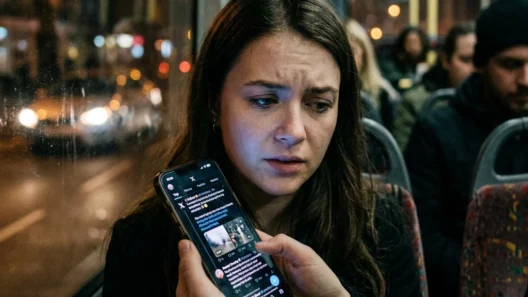
The grooming process is often so subtle that many parents don't even realise it’s happening until their child is already deeply involved. It usually starts with something small: a free meal, a pair of expensive trainers, or simply a bit of attention and protection. Criminal gangs are experts at spotting vulnerability. They target kids who might be struggling at school, those who feel isolated, or families going through financial hardship. By the time the child is asked to "do a favour" and hop on a train to a different town, they feel like they owe the gang everything. This is where the exploitation truly begins, and the psychological weight starts to build.
How Exploitation Starts in the School Playground
One of the most concerning things we’ve learned over the last decade is just how young this exploitation starts. Gangs often focus their efforts on children during the transition from primary to secondary school. It’s a time of huge change, where kids are trying to find their place in the world and might be more susceptible to the lure of "belonging" to a group. These gangs don't look like the villains in films; they often look like older brothers or mentors who seem to have the money and status that these kids crave.
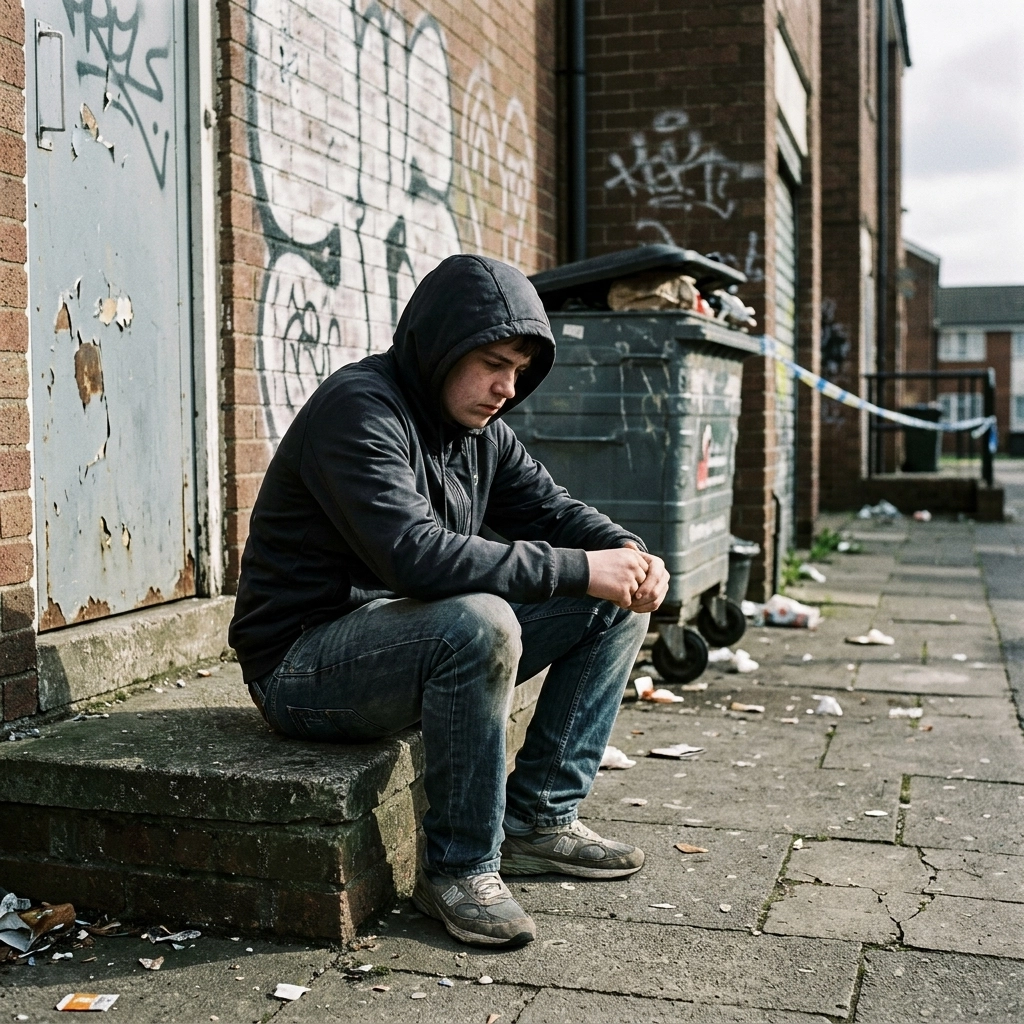
In these untold stories, we often hear about the "honeymoon period." For the first few weeks, the child feels important. They are given a phone, some cash, and told they are part of a family. But once the gang has enough leverage: usually through a staged "debt" or a threat of violence: the mask slips. The child is no longer a "recruit"; they are a commodity. They are sent to "trap houses" in towns they’ve never visited, often staying in squalid conditions with people who are struggling with severe addiction.
Being removed from a familiar environment is a key tactic in county lines child exploitation. By taking a child away from their support network, the gang ensures total control. The child is terrified of the police, terrified of the gang, and often too ashamed to call home. This isolation is the breeding ground for the long-term psychological trauma we see today. They spend days or weeks in a state of high alert, never knowing when a rival gang might kick the door in or when the police might raid the property. That kind of stress doesn't just go away once the child is "rescued." It rewires the brain to remain in a constant state of fight-or-flight.
The Lasting Trauma of the County Lines Lifestyle
When we talk about the scars left by a decade of county lines, we have to talk about the mental health outcomes. Many of the children who were involved in these gangs back in 2016 are now young adults, and the data is heartbreaking. We are seeing high rates of Post-Traumatic Stress Disorder (PTSD), severe anxiety, and what psychologists call "hypervigilance." This is a state where the individual is constantly scanning their environment for threats, unable to relax even in a safe space. For someone who has spent their formative years looking over their shoulder, "normal" life can feel incredibly dangerous.
There are many cases of young people being sectioned under the Mental Health Act years after they escaped the gangs. The trauma of what they saw: and what they were forced to do: often leads to psychosis or a total break from reality. Imagine being 13 years old and witnessing extreme violence or being forced to carry a weapon for protection. Those memories don't just fade. Without intensive support, these young people often find themselves stuck in a cycle of prison and psychiatric wards. They were victims of child exploitation, but the system often treats them as criminals first and traumatised children second.
Furthermore, the "trap houses" themselves are sites of significant trauma. These are often the homes of vulnerable adults whose properties have been "cuckooed" or taken over by gangs. Children are forced to live alongside people who are often at their lowest point, dealing with the raw, gritty reality of drug dependency. Seeing that level of human suffering every day changes a child’s worldview. It strips away their sense of empathy and replaces it with a cold survival instinct. It’s a decade of these experiences that has created a public health crisis that independent news uk outlets are now trying to bring to light.
Moving Beyond the Scars of the Last Ten Years
So, where do we go from here? Over the last ten years, authorities have become much better at identifying the signs of county lines. We’ve seen thousands of young people "extracted" from gangs, but extraction is only the first step. The real work begins in the months and years that follow. We need to move away from a purely criminal justice-focused approach and start looking at this through the lens of long-term safeguarding and mental health recovery.
Support services are often stretched thin, and many children returning from county lines involvement don't get the specialist trauma therapy they need. They are often moved to different schools or foster placements where they are labelled as "troubled," which only serves to further isolate them. If we want to heal these scars, we need to recognise that these children have survived a form of modern slavery. They need an environment that prioritises their psychological safety over their past "offences."
Looking back at a decade of this crisis, it's clear that the untold stories of the survivors are our best chance at prevention. By listening to those who have lived through the trauma, we can better understand the grooming tactics and the psychological hooks that gangs use. We need to empower communities to spot the signs early: the change in behaviour, the new clothes, the secret phone calls. Education is our strongest weapon in the fight against child exploitation. If we can reach these kids before the grooming starts, we can prevent another decade of children from carrying these lifelong scars.
The history of county lines in the UK is a sobering reminder of how quickly criminal elements can adapt to exploit the vulnerable. While police efforts continue to disrupt the supply of drugs, the focus on the human cost must remain at the forefront of the conversation. The psychological impact of this decade of exploitation will be felt for years to come, and as a society, we have a responsibility to ensure that the victims are not forgotten.
Understanding the complexity of county lines requires looking beyond the immediate crimes and acknowledging the profound long-term harm inflicted on children. By addressing the root causes of vulnerability and providing comprehensive mental health support for survivors, there is a possibility to mitigate some of the damage caused over the last ten years. Continued vigilance and a community-led approach are essential in protecting the next generation from similar exploitation.