








The British countryside is often portrayed as a serene patchwork of rolling hills and pristine waterways. However, behind this idyllic facade lies a growing crisis that has recently landed one of the UK’s most significant regulatory bodies in hot water. The Environment Agency is currently facing a wave of criticism following allegations that it failed to provide the House of Lords with the full picture regarding the scale of illegal waste sites across the country. This lack of transparency has sparked a heated debate about how waste crime is monitored, reported, and ultimately tackled in the UK.
Waste crime is often described as the "new narcotics" by those within the industry, primarily because it offers high rewards with relatively low risks of prosecution. From massive illegal landfills hidden behind legitimate-looking front businesses to the dumping of hazardous materials in rural areas, the problem is far more pervasive than many realise. For those of us following independent news uk, these untold stories of environmental degradation are becoming increasingly common. The recent friction between the Environment Agency and the House of Lords suggests that even the people responsible for oversight are struggling to get a clear view of the situation.
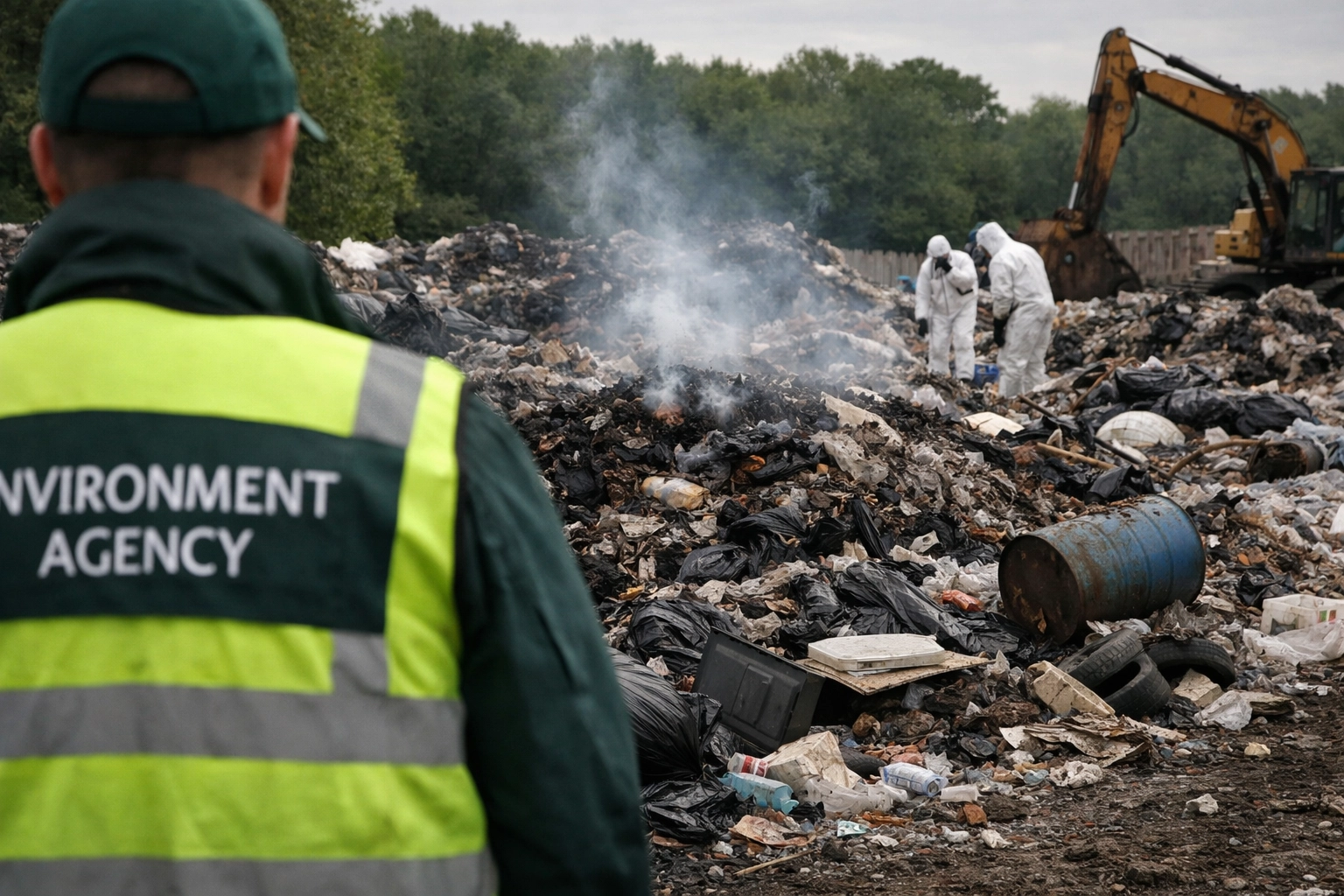
The controversy centres on a House of Lords inquiry where the Environment Agency was accused of withholding critical information about "secret dumps": sites that are operating without permits or in direct violation of environmental laws. When lawmakers are kept in the dark, it becomes nearly impossible to draft effective legislation or allocate the necessary resources to combat these environmental "black holes." This situation highlights a pressing need for total transparency if we are to protect our natural landscapes from the long-term effects of industrial-scale dumping.
The Growing Shadow of Waste Crime in the UK
To understand why the Environment Agency is under such intense scrutiny, we first have to look at the sheer scale of waste crime in the UK today. This isn't just about someone dumping an old sofa on a grass verge; we are talking about sophisticated criminal networks that handle thousands of tonnes of waste, avoiding taxes and environmental regulations to maximise profit. These illegal operations often involve the mislabelling of hazardous materials, the operation of massive unpermitted sites, and the illegal export of rubbish to countries with even looser oversight.
The economic impact is staggering. It is estimated that waste crime costs the UK economy over £1 billion every year. This figure includes lost tax revenue, the cost of cleaning up illegal sites, and the damage done to legitimate waste management businesses that simply cannot compete with the low prices offered by criminals. But the financial cost is only half the story. The environmental toll is much harder to quantify. Many of these secret dumps are located near sensitive ecosystems or water sources. Without the proper liners and drainage systems required at legal sites, toxic chemicals can leach into the soil and groundwater, causing damage that may take decades to reverse.
For many local communities, these sites are a nightmare of noise, dust, and toxic fumes. There have been numerous reports of "zombie fires": deep-seated underground blazes at illegal landfills that can burn for months, releasing dangerous pollutants into the air. Despite these risks, the number of successful prosecutions remains frustratingly low. Critics argue that the Environment Agency has been too slow to adapt to the changing tactics of waste criminals, who are increasingly using technology and complex corporate structures to hide their activities. This is why the recent accusations of a lack of transparency are so damaging; if the Agency isn't even being open about the scale of the problem with Parliament, what hope is there for a co-ordinated national response?
Challenges in Transparency and Oversight
The heart of the current row lies in the relationship between the Environment Agency and the legislative bodies that hold it to account. During a session with a House of Lords committee, it was alleged that the Agency did not disclose the full extent of illegal waste sites that they were already aware of. Transparency isn't just a buzzword here; it’s a fundamental requirement for a functioning democracy. When government agencies hold back information, it undermines public trust and prevents the development of sound policy.
There are several reasons why an organisation might be hesitant to share the full scope of a crisis. Sometimes it’s a matter of resources: admitting the problem is massive might highlight a lack of funding or staffing to deal with it. In other cases, it might be an attempt to manage public perception. However, in the realm of environmental protection, hiding the truth only allows the problem to fester. These secret dumps continue to grow, and the criminals running them become more emboldened when they perceive a lack of effective oversight.
Independent news uk platforms have been instrumental in bringing these untold stories to light, often reporting on local environmental disasters long before they reach the national stage. These reports frequently describe a pattern of "regulatory failure," where residents report illegal activity for months or even years before any significant action is taken. The Agency often cites legal complexities or the need for "evidence gathering" as reasons for the delay, but for those living near a toxic dump, these explanations ring hollow. The accusation that the Agency withheld info from the Lords only reinforces the idea that there is a significant disconnect between the official narrative and the reality on the ground.
True transparency would involve a public, real-time map of suspected illegal sites and a clear accounting of the progress being made to shut them down. It would also require the Agency to be honest about its limitations. If they don't have the boots on the ground or the legal powers to stop these criminals, they need to say so clearly so that the government can intervene. By potentially downplaying the issue, they risk leaving the UK's environment vulnerable to further exploitation by those who see our green spaces as nothing more than a cheap place to hide their trash.
Pursuing a Cleaner Path Forward
Looking ahead, it is clear that the status quo is no longer sustainable. The Environment Agency must find a way to regain public trust and demonstrate that it is capable of taking the fight to waste criminals. This starts with a commitment to radical honesty. Whether it’s in front of a House of Lords committee or in public reports, the data regarding illegal waste sites must be comprehensive and accessible. We cannot solve a problem that we refuse to see in its entirety.
There is also a dire need for more robust enforcement. While the Agency has recently touted its use of drones and AI to track illegal dumping, technology is only part of the solution. We need more specialized investigators and tougher sentencing for those found guilty of large-scale waste crime. Currently, the fines for illegal dumping are often seen as just a "cost of doing business" for criminal syndicates. Until the penalty for destroying the environment far outweighs the potential profit, the secret dumps will continue to appear.
Furthermore, there needs to be a shift in how we, as a society, view waste. As long as we continue to produce massive amounts of rubbish and look for the cheapest way to get rid of it, we provide a fertile ground for criminals to operate. Strengthening the legitimate waste management sector and making it easier for businesses and individuals to dispose of waste responsibly is crucial. Education plays a role here too, helping people understand that "cheap" waste disposal often comes with a hidden, heavy cost to our health and our heritage.
The "heat" currently felt by the Environment Agency serves as a vital wake-up call. It highlights the importance of accountability in environmental governance and the essential role of the media in uncovering the untold stories that the public deserves to know. The UK's natural beauty is a national treasure, and its protection should never be compromised by bureaucratic secrecy or a lack of regulatory resolve. Only through a combination of transparency, tough enforcement, and public awareness can we hope to clear the air and the land of the shadow of waste crime.
The Environment Agency now has an opportunity to turn this criticism into a catalyst for change. By being more open about the challenges it faces and the scale of the illegal activity it is fighting, it can build a stronger case for the resources and powers it needs. The road to a truly clean and transparent environmental policy may be long, but it is one that we must walk if we want to ensure a healthy planet for future generations. The eyes of the public, and the Lords, are now firmly fixed on what happens next.