When we talk about independent news in the UK, we often focus on the stories that the mainstream media might gloss over or move on from too quickly. One of the most harrowing and difficult stories to emerge in recent years is the case of the Glasgow "Beastie House." It is a story that doesn't just highlight the depravity of a group of individuals, but also shines a very uncomfortable light on the systems we trust to keep our most vulnerable citizens safe. At NowPWR, we believe in telling these untold stories, not just for the sake of the news, but to understand where we are going wrong as a society.
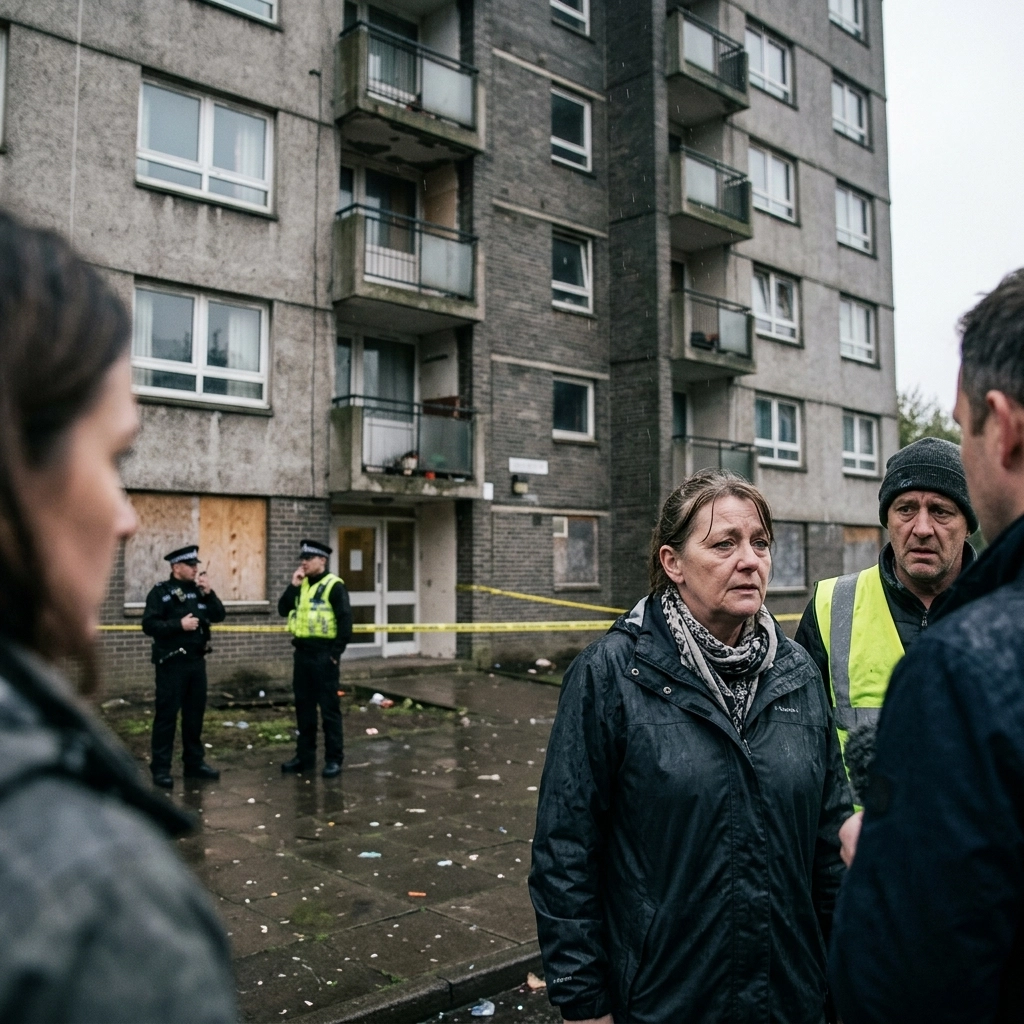
The details of the Beastie House are, frankly, the stuff of nightmares. Between 2012 and 2020, a gang of drug addicts in Glasgow operated a flat that became a den of unspeakable abuse. What makes this case even more tragic is that it wasn't a secret kept in the shadows of an isolated rural area. This was happening in a flat, in a community, while authorities were supposedly watching. The systemic failure here isn't just a buzzword; it’s a documented reality that left children in harm’s way for years after the red flags started flying.
The Warning Signs That Everyone Missed
The timeline of the Beastie House case is perhaps the most damning piece of evidence against the local safeguarding infrastructure. While the abuse began as far back as 2012, the children involved were not unknown to the authorities. By 2018, the situation had escalated to the point where the children were visibly malnourished. They were described as looking gaunt and unwell, the kind of physical markers that usually trigger immediate, intensive intervention.
In fact, the children were actually placed on the child protection register in 2018. This is a critical point that we need to sit with for a moment. Being on a child protection register means that the state has officially recognised that a child is at risk. It is the highest level of concern before a child is removed from a home. Yet, despite this status, the "child rape nights" and the horrific violence continued for another two years. Social workers were making visits. They were seeing these children. And yet, the "Beastie House" continued to operate.
This raises a massive question: what is the point of a register if it doesn’t lead to protection? In the world of safeguarding, there is often a reliance on "monitoring" rather than "acting." In Glasgow, it seems the monitoring was happening, but the action was lethargic. Witnesses had reportedly sounded the alarm years before the gang was finally brought to justice. There were reports of a filthy den filled with heroin and violence, yet the machinery of the state moved at a glacial pace while the victims suffered in ways most of us cannot imagine.
A Systemic Breakdown in Safeguarding
To understand why this happened, we have to look at the culture within social services and the police at the time. Safeguarding failure is rarely the result of a single person making a mistake. Usually, it’s a series of "Swiss cheese" holes lining up perfectly. In Glasgow, it appears there was a disconnect between the information being gathered and the urgency of the response. When children are known to be at risk and are frequently visited, but the abuse continues, the system is essentially functioning as a silent witness rather than a shield.
At NowPWR, we are committed to editorial standards and ethics that require us to look deeper into these institutional failures. The "Beastie House" perpetrators were eventually jailed for almost 100 years combined, but that justice came far too late for the children who spent nearly a decade in a living hell. The judge in the case noted that the offenders had plunged to the "depths of human depravity," but the same could be said for the depth of the institutional oversight that allowed it to persist.
There is also the issue of "professional optimism." This is a documented phenomenon where social workers or police officers want to believe that a situation is improving or that a family can be kept together, leading them to downplay or rationalise clear evidence of abuse. In the Beastie House case, the presence of heavy drug use and the state of the flat should have been enough to warrant an immediate removal of any minor. Instead, the children remained in an environment where they were subjected to filmed abuse and extreme physical torture, including the horrific report of a girl being placed in a microwave.
Moving Toward a Better Future for Our Kids
So, where do we go from here? An independent learning review has been launched to look into the failures of the Glasgow case. While reviews are a standard response to tragedy, there is a growing sense of frustration in the UK about whether these recommendations actually change anything on the ground. We have seen similar reviews following other high-profile cases, yet the same patterns of missed red flags and poor communication between agencies seem to repeat.
True change requires more than just a report. It requires a fundamental shift in how we prioritise child safety over the rights of parents who have proven themselves to be dangerous. It also requires better funding and support for those on the front lines. Social workers in many UK cities are overwhelmed, underpaid, and dealing with caseloads that make it nearly impossible to provide the level of scrutiny required for high-risk homes. However, resources are only one part of the puzzle. The other part is the courage to intervene when the evidence is staring you in the face.
The story of the Beastie House is a reminder that independent news in the UK has a vital role to play in keeping the pressure on these institutions. We cannot allow these stories to be buried under the weight of bureaucratic apologies. We believe that by talking openly about these safeguarding failures, we can help create a culture that refuses to ignore the red flags.
The victims of the Glasgow abuse ring are now safe, and their abusers are behind bars. But the scars of those eight years will never truly heal. The least we can do as a society is ensure that no other child has to wait two years on a protection register before someone finally decides to save them. It is a tall order, but it’s one we have to meet if we want to call ourselves a civilised society.
The Glasgow case is a dark chapter in the city's history, but it serves as a necessary wake-up call for the rest of the country. Safeguarding is not a tick-box exercise; it is a life-saving necessity. When the system fails, it doesn't just fail a department or a budget: it fails a human being who has no other way to protect themselves. Let's make sure we keep asking the hard questions until the answers lead to real, tangible safety for every child in the UK.