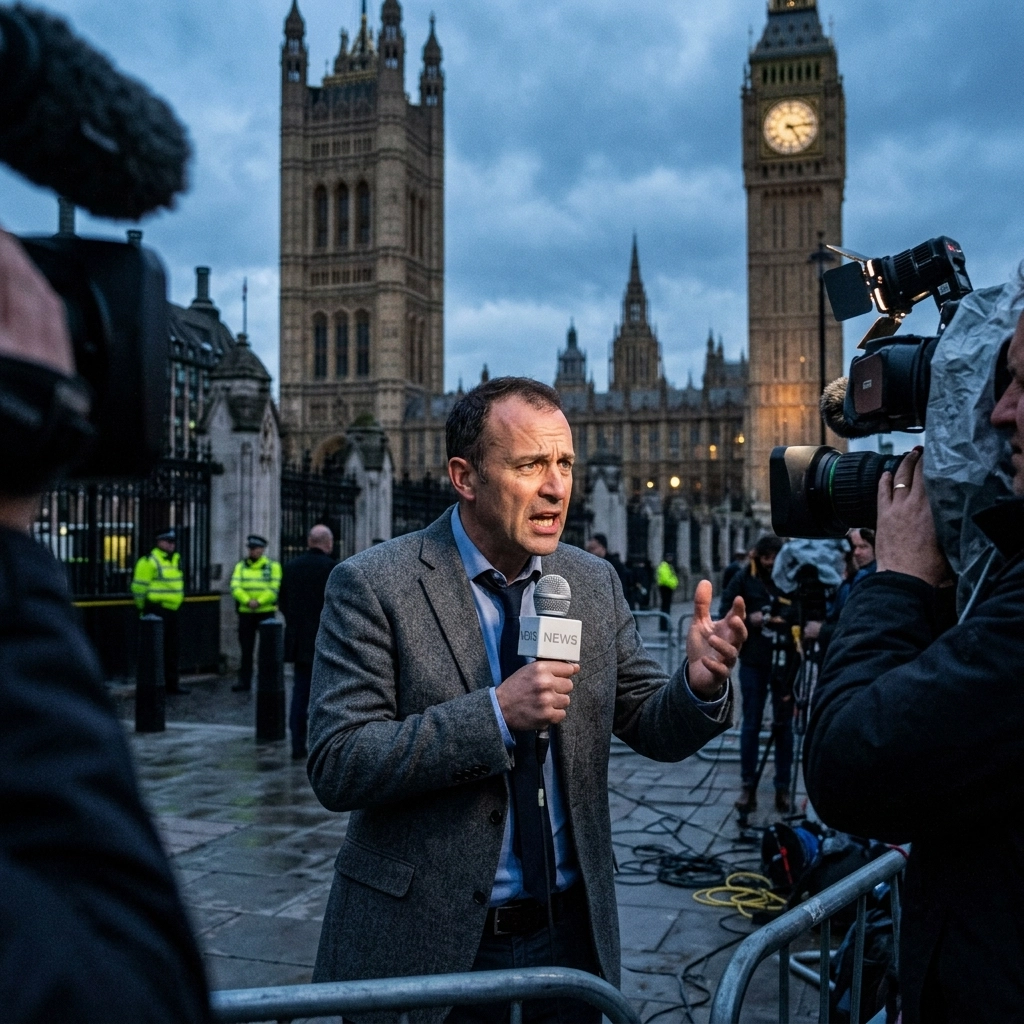
There is a certain brand of adrenaline that only exists within the confines of a live television gallery. It is a mixture of caffeine-induced jitters and the constant, low-simmering dread that someone, somewhere, is about to say something they really shouldn’t. In the high-stakes world of political reporting and breaking news, the "hot mic" is the ultimate equaliser. It doesn’t matter how many years you’ve spent honing your received pronunciation or how many times you’ve interviewed the Prime Minister; one slip of the tongue and you are trending for all the wrong reasons.
Recently, the British public was treated to a moment of pure, unadulterated broadcast gold. While covering a high-profile story involving a well-known children's author and television personality, a correspondent found themselves in the middle of a linguistic tangle. We’ve all been there, that moment where the words simply refuse to exit your mouth in the correct order. Usually, in a recorded setting, you’d just take a breath and go again. But in the world of live news, the safety net is often thinner than a politician’s promise.
The correspondent in question, clearly frustrated by a stumble during a report on a major publishing house’s decision to drop a celebrity author, let out a phrase that usually doesn't make it past the watershed. Thinking the segment was being recorded for later use, she uttered the immortal line: "Oh, f*** it, I’m going to start again." It was a moment of relatable, human frustration, immediately followed by the chilling realization that she was, in fact, broadcasting to hundreds of thousands of people across the country.
The Unexpected Reality of Live Transmissions
The beauty of live broadcasting is its unpredictability, but for those in the hot seat, that unpredictability is a double-edged sword. In the Westminster bubble, where every word is typically measured, vetted, and spun to within an inch of its life, these accidental outbursts provide a rare window into the reality of the profession. Reporting on complex legal issues, such as the allegations surrounding a former talent show judge and his publishing deals, requires precision. When that precision fails, the human instinct to vent takes over.
What followed was the "silent scream" of the newsroom. The anchor back in the studio was left to pick up the pieces, offering the standard, frantic apology for any "inappropriate language" that might have reached the viewers’ ears. It is a dance as old as the medium itself. The presenter looks somber, the audience at home chuckles, and the clip is uploaded to social media before the commercial break has even finished.
This incident highlights the immense pressure placed on journalists in the current media climate. We live in an era of 24-hour news cycles where the demand for instant information often outpaces the capacity for human error. When we look at independent news uk sources, we often see a move away from this hyper-polished, robotic delivery. There is an emerging appetite for news that feels more authentic, even if that authenticity occasionally includes a swear word or two. People are increasingly tired of the "sanitized" version of events and are gravitating toward platforms that allow for a bit more personality: and perhaps a bit more honesty.
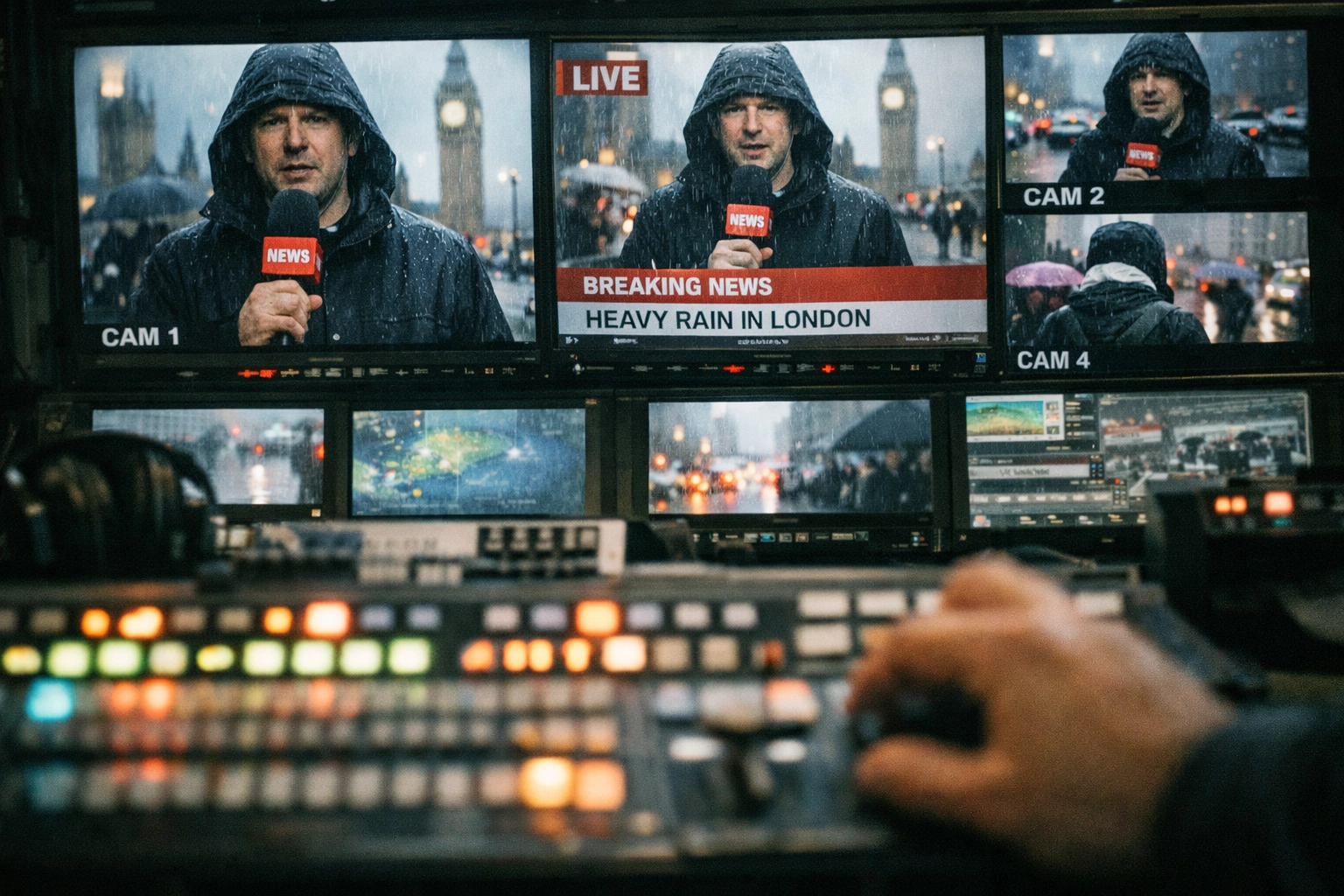
The "F-bomb" in question wasn’t an act of malice; it was an act of perfectionism gone wrong. The correspondent wanted to get the story right: a story involving serious allegations and corporate fallout: and her frustration at her own verbal stumble was a testament to that. However, the irony of swearing while trying to maintain professional standards is never lost on the British public. We have a long and storied history of Westminster bloopers, from mic-ed up Prime Ministers calling voters "bigoted" to MPs forgetting their cameras are still rolling during Zoom hearings.
Navigating the Independent News UK Landscape
As the traditional broadcasting giants continue to navigate the pitfalls of live television, the rise of independent news uk outlets is reshaping how we consume information. These platforms often operate with a different set of priorities. While accuracy remains paramount, there is often less emphasis on the performative "perfection" that leads to the kind of stress-induced outbursts we saw this week.
In the independent sector, the relationship between the journalist and the audience is often more direct. There is less of a "fourth wall" to break. When things go wrong in an independent broadcast, it’s often handled with a shrug and a laugh rather than a panicked corporate apology. This shift is crucial because it mirrors the way we communicate in the real world. Nobody speaks in perfectly formed, 15-second soundbites without ever tripping over their tongue. By embracing the "blooper," independent media often feels more trustworthy than the glossy, over-produced alternatives.
The incident also brings up the broader question of the watershed and what we consider "acceptable" in the modern age. While a stray swear word at midday is technically a breach of guidelines, the public reaction is rarely one of genuine outrage. Instead, it’s one of shared amusement. We like seeing the mask slip. We like knowing that the person telling us about the latest Westminster scandal or entertainment industry fallout is a real person who gets annoyed when they can’t pronounce "HarperCollins" on the first try.
Furthermore, the context of the reporting adds another layer to the story. The news itself: the dropping of a major celebrity by a publisher following serious allegations: was a heavy topic. In these instances, the tension in the studio is already high. Journalists are walking a legal tightrope, ensuring they don't say anything defamatory while still providing the facts. It’s no wonder that a small verbal mistake can trigger a disproportionate reaction from the reporter.
Why the British Public Craves Authenticity
There is a reason why "bloopers" segments are so popular. In a world of filtered Instagram feeds and carefully curated political personas, there is something deeply refreshing about a genuine mistake. The "F-bomb heard round the news" wasn’t just a mistake; it was a moment of vulnerability. It reminds us that behind the expensive suits and the studio lights, these are just people doing a job: a job that is often incredibly stressful and performed under a microscope.
In Westminster, the culture of the "gaffe" is a permanent fixture of political life. We’ve seen politicians eat bacon sandwiches awkwardly, forget which football team they support, and accidentally tweet their grocery lists. These moments often do more to define a public figure's image than any policy announcement or keynote speech. For a news correspondent, a blooper can be a career-defining moment, but in 2026, it is more likely to make them a cult hero than a persona non grata.
This craving for authenticity is exactly why the landscape of independent news uk is thriving. Viewers are looking for voices that sound like them. They want commentators who are allowed to show emotion, who can admit when they’re wrong, and who don’t look like they’ve been programmed by a PR firm. The accidental swearing incident was a accidental advertisement for the humanity of news reporting. It broke the cycle of "corporate speak" and replaced it, however briefly, with something real.
As we move forward, the lines between professional broadcasting and "authentic" content will continue to blur. The technology that allows for instant live streaming from anywhere in the world means that these "hot mic" moments will only become more common. Perhaps, instead of reaching for the apology button every time a naughty word slips out, we should acknowledge that the world is a messy, complicated, and occasionally profane place.
The correspondent involved in this latest blooper eventually composed herself and delivered the report perfectly. The news moved on, the author’s spokesperson issued their denials, and the publisher continued its restructuring. But for a few seconds, the barrier between the newsroom and the living room was completely gone. And in the grand scheme of things, that might be exactly what the British media landscape needs more of: even if it does come with a "parental advisory" warning.
The evolution of news media in the UK continues to reflect a society that values transparency over polish. While the major networks will always have their place, the growing influence of independent voices suggests a future where the occasional "Westminster blooper" is seen not as a failure, but as a sign of a living, breathing, and occasionally frustrated industry.
In conclusion, the recent broadcast slip-up serves as a reminder of the inherent pressures and human elements involved in live news production. While such incidents often prompt immediate apologies from broadcasters, they also highlight a broader shift in audience preferences towards more authentic and less processed forms of communication. As the media landscape continues to evolve, the balance between professional standards and relatable humanity remains a central theme in British public life.