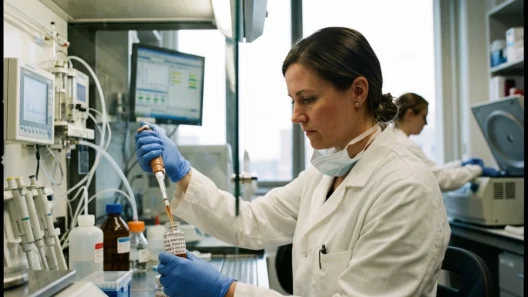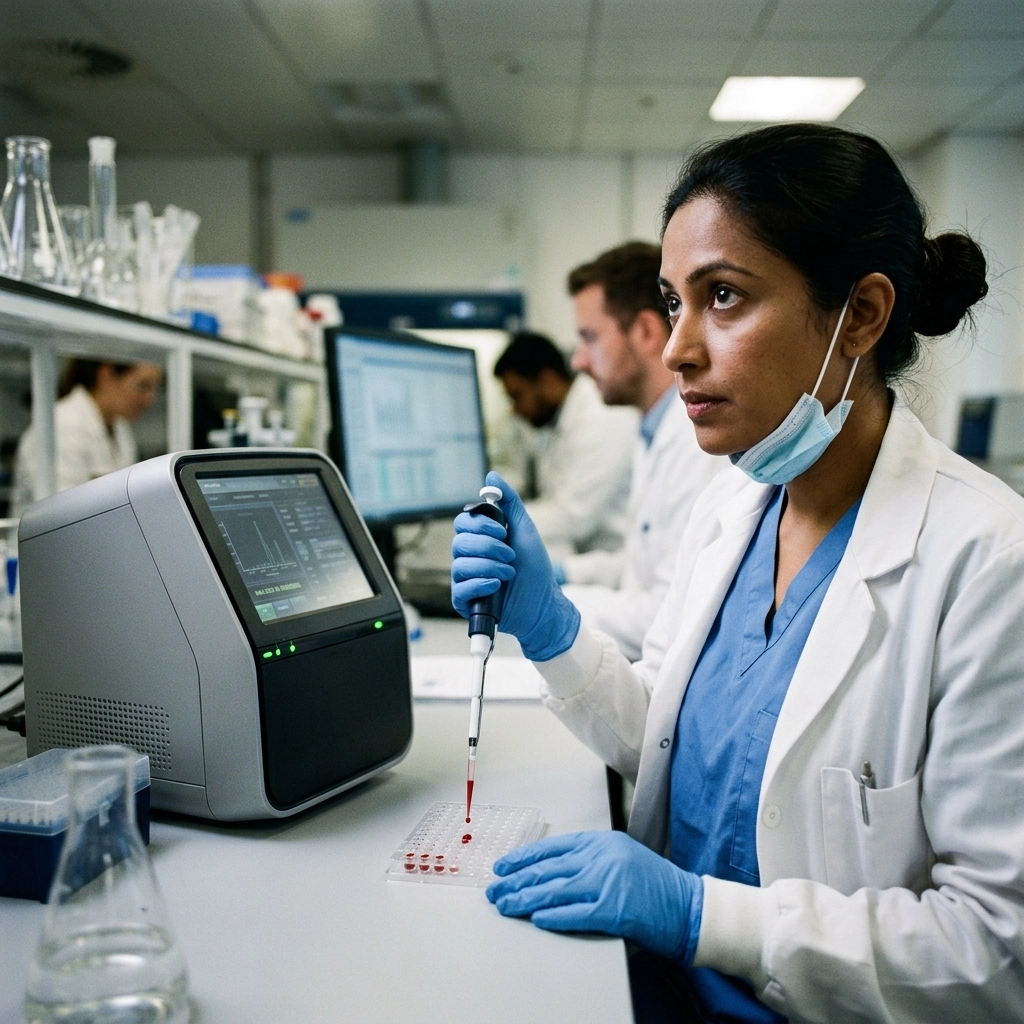
The landscape of healthcare is shifting beneath our feet, and it is doing so with remarkable speed. For years, the "holy grail" of oncology has been a simple, non-invasive way to catch cancer before it becomes a major problem. We have seen various iterations of "liquid biopsies" over the last decade, but a new breakthrough involving just 10 drops of blood is currently making waves across the UK. It is a story of British innovation, the power of artificial intelligence, and a massive step forward for the NHS.
This isn't just another laboratory experiment gathering dust in a journal. The miONCO-Dx test, developed by a team at the University of Southampton in collaboration with the biotech firm Xgenera, is already proving its worth in clinical trials. By using ai technology to scan for the tiniest whispers of disease, this test is identifying 12 different types of cancer with an accuracy rate that was previously thought impossible for a simple blood draw.
What makes this particularly special for independent news uk readers is the simplicity of the approach. Most diagnostic tests for cancer involve invasive biopsies, uncomfortable scans, or long waiting lists that fuel anxiety for patients and their families. This new test requires only a tiny amount of blood: about 10 drops: which can be collected easily in a GP surgery or even a local clinic. It is these untold stories of medical efficiency that are beginning to redefine how we think about our long-term health.
The Science Behind a Single Prick
At the heart of this innovation is a shift in focus. Instead of looking for traditional tumour markers, which can sometimes be unreliable or only appear in later stages, the miONCO-Dx test looks for microRNA. These are tiny genetic fragments that act as messengers within our cells. When a tumour begins to develop, even at a microscopic level, it releases specific microRNA signatures into the bloodstream. These signals are incredibly subtle: so subtle, in fact, that a human clinician could never hope to spot them all manually.
This is where the artificial intelligence comes in. The AI used in this project has been trained on a massive dataset of over 20,000 patients. It has learned to recognise the specific patterns associated with different types of malignancies. By crunching through the data found in those 10 drops of blood, the AI can distinguish between healthy cells and those that have started to turn cancerous. It doesn't just say "there is cancer here"; it identifies where it is and what type it is, allowing doctors to take immediate action needed for further investigation.
The accuracy of this system is what has the medical community so optimistic. Early results have shown a 99% accuracy rate. In the world of diagnostics, that is a staggering figure. It means the likelihood of "false positives": where a patient is told they have cancer when they don't: is incredibly low. Reducing these false alarms is just as important as finding the disease itself, as it prevents the NHS from being overwhelmed with unnecessary follow-up procedures and saves patients from the emotional turmoil of a misdiagnosis.
The 12 Cancers Under the Microscope
The versatility of the miONCO-Dx test is its greatest strength. While many tests focus on a single type of cancer, like a PSA test for prostate issues, this AI-driven approach is a multi-cancer early detection (MCED) tool. It targets 12 of the most common and, in many cases, deadliest forms of the disease. By grouping these together in a single test, the chances of early intervention skyrocket.
- Lung Cancer: Often diagnosed late because symptoms don't appear until the disease has progressed. This test can spot the microRNA signals much earlier.
- Breast Cancer: While mammograms are effective, this blood test offers a supplemental way to catch aggressive types that might be missed between screenings.
- Bowel Cancer: The test is being specifically trialled in the NHS to see if it can reduce the number of invasive colonoscopies required.
- Ovarian Cancer: Often called the "silent killer," this is notoriously difficult to detect in its early stages.
- Pancreatic Cancer: Usually has a poor prognosis due to late discovery; early AI detection could be a total game-changer.
- Prostate Cancer: Providing a more nuanced view than the traditional PSA test.
- Brain Tumours: Certain types of brain cancers shed signatures into the blood that this test is designed to pick up.
- Liver Cancer: Identifying early-stage changes in liver cells.
- Oesophageal Cancer: Catching the markers of this difficult-to-treat cancer before it impacts swallowing.
- Bladder Cancer: Offering a non-invasive alternative to initial cystoscopy investigations.
- Stomach Cancer: Spotting genetic fragments that indicate early gastric tumours.
- Kidney Cancer: Detecting renal malignancies during routine check-ups.
The ability to screen for these 12 conditions simultaneously means that a single check-up could provide a comprehensive "health map" for a patient. For the NHS, this could lead to a massive reduction in late-stage diagnoses, which are not only harder on the patient but significantly more expensive for the taxpayer to treat. Catching bowel or lung cancer at stage one instead of stage four isn't just about saving money; it is about saving thousands of lives every single year.
Transforming the NHS Landscape
The UK government has already recognised the potential of this technology, awarding £2.4 million to the University of Southampton to move the project into its next phase. This funding is helping to scale the technology, making it cheaper and faster so that it can eventually be rolled out as a standard part of British primary care. We are currently in the midst of a trial involving 8,000 NHS patients, which will provide the final evidence needed to make this test a reality for everyone.
The impact on the patient experience cannot be overstated. Currently, if a patient presents with vague symptoms like fatigue or unexplained weight loss, they might be sent for a battery of different tests over several weeks. With the 10-drop AI test, a GP could potentially rule out or flag 12 different cancers in one go. This streamlines the diagnostic pathway and ensures that those who do need urgent care are fast-tracked to specialists immediately. It turns the "wait and see" approach into a "test and know" reality.
This breakthrough also tells a wider story about the UK's position as a leader in life sciences. While the world often focuses on tech giants in Silicon Valley, it is in laboratories in Southampton and through the collaborative efforts of the NHS that some of the most life-altering work is being done. These are the untold stories of British researchers working quietly to solve the biggest challenges in human health.
As we look toward the end of 2026, the hope is that this test will become a routine feature of our annual health checks. The transition from reactive medicine: where we treat the sick: to proactive medicine: where we find illness before it starts: is well underway. With just 10 drops of blood and the power of AI, the future of cancer survival in the UK looks brighter than ever.
The success of the miONCO-Dx trial serves as a reminder of what is possible when cutting-edge technology meets a dedicated healthcare system. While there is still work to be done to ensure the test is accessible to all, the progress made so far is a significant milestone in the fight against cancer. It is an optimistic era for medicine, where the complexity of the human body is finally being decoded by the precision of artificial intelligence.