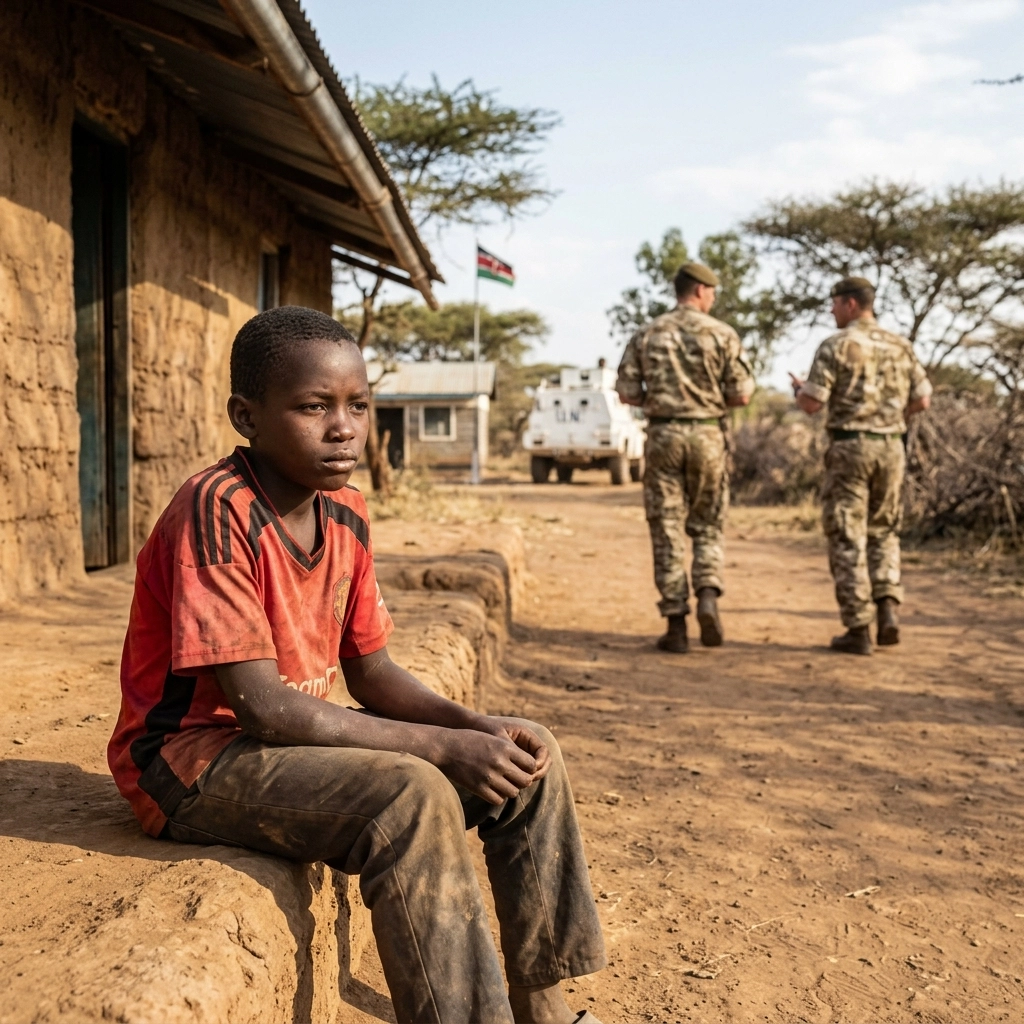
For decades, the town of Nanyuki has existed in a strange sort of symbiosis with the British military. Nestled at the foot of Mount Kenya, it is home to the British Army Training Unit Kenya (BATUK). It is a place of high-octane drills, camouflage, and a significant amount of British taxpayer money flowing into the local economy. But behind the strategic partnership and the joint exercises lies a much darker narrative: one of 'untold stories' that have been whispered in the markets and backstreets of Nanyuki for generations. We are talking about the children left behind; the mixed-race sons and daughters of British soldiers who packed their kits and headed back to the UK, leaving a trail of abandonment in their wake.
This isn’t just a few isolated incidents. A massive investigation has recently peeled back the curtain on what can only be described as a systemic failure of responsibility. As we dig into the details, it becomes clear that this isn't just a Kenyan issue; it is a British one, and it’s finally hitting the courts.
What exactly is the BATUK secret everyone is talking about?
If you were to walk through Nanyuki today, you might see children who look strikingly different from their peers. They are the "Left-Behind Kids," the offspring of British soldiers stationed at BATUK and local Kenyan women. For years, these stories remained local legends or private tragedies. However, a recent two-year investigation has brought these 'untold stories' into the light, revealing nearly 100 cases of children fathered and then abandoned by British military personnel since the 1950s.
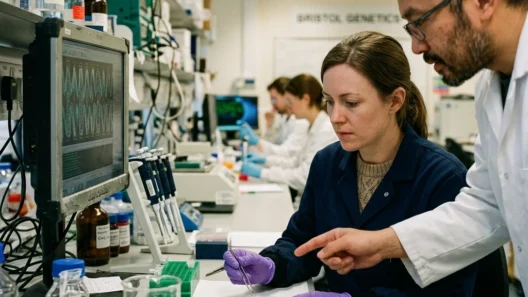
The scale is staggering. We aren't just talking about recent deployments; some of these "children" are now in their 70s, having lived their entire lives in a state of identity limbo. Others are as young as three. The common thread? A British father who, in the vast majority of cases, vanished the moment his tour ended. The investigation, which utilised DNA ancestry databases and the expertise of geneticists from King's College London, has started to put names to the ghosts. It turns out that when you leave a DNA trail across a continent, science eventually catches up with you.
The 'independent news uk' circuit has been buzzing with the legal ramifications of these findings. It isn't just about the emotional toll: though that is immense: it's about the legal rights of these children. For the first time, a UK High Court judge has legally confirmed paternity in 12 cases. This isn't just a moral victory; it's a door-opening moment for British citizenship and financial support. The "secret" is out, and the British Ministry of Defence is finding it increasingly difficult to maintain its usual "private matter" stance.
Why has it taken decades to get a single DNA match?
You might wonder why, in the age of the internet and global connectivity, these families have been ignored for so long. The answer is a cocktail of poverty, legal barriers, and a "culture of impunity" that has allegedly thrived within the BATUK base. Many of the women involved were from impoverished backgrounds, lacking the resources to hunt down a soldier who might only have given them a first name or a fake one. In many cases, the soldiers explicitly told the women they would return or send money, only to change their numbers and disappear into the British Isles.
The legal hurdle was arguably the tallest. Until very recently, the British Army treated these paternity claims as private matters. If a Kenyan woman wanted to claim child support, she was essentially told to hire a UK lawyer and sue a soldier in a British court: a task about as easy as climbing Mount Kenya in flip-flops for someone living on less than a few pounds a day. The breakthrough came when human rights lawyers from both Kenya and the UK joined forces, using modern DNA testing to bypass the soldiers' anonymity.
The social impact on these children cannot be overstated. Growing up mixed-race in rural or semi-urban Kenya often meant facing intense discrimination. Many were ostracised by their own communities, viewed as "remnants" of a colonial presence. They grew up in extreme poverty, often unable to afford school fees, while their fathers returned to comfortable lives in the UK. The recent DNA matches haven't just provided a legal link; they’ve provided an answer to a lifelong question of "Who am I?" Even so, the investigation found that out of all the identified fathers, only one: a former soldier named Phill: has actually stepped up to provide financial support. One out of dozens. That’s a statistic that should make anyone uncomfortable.
Is the British Army finally being held to account?
The short answer is: they’re being forced to. For a long time, the Ministry of Defence (MoD) has been able to sidestep these issues by categorising them as personal conduct issues rather than institutional ones. But a Kenyan parliamentary inquiry published in late 2025 changed the game. It accused British soldiers of operating with a "culture of impunity" at the Nanyuki base, citing not just child abandonment, but allegations of sexual abuse, environmental damage, and even murder.
The inquiry called for a complete overhaul of how BATUK operates. It’s no longer enough for the British Army to say paternity is a "private matter" when the sheer volume of cases suggests a pattern of behaviour. The legal push is now focused on securing British citizenship for these children. Under UK law, if you are born to a British father, you often have a claim to citizenship, but proving that without a birth certificate or a willing father has been impossible until now. With the High Court rulings, the precedent is set.
The MoD has released statements expressing that they are "deeply concerned" and that the "abandonment of parental obligations is unacceptable." While the rhetoric has shifted, the action on the ground is still catching up. There are calls for new mechanisms to be put in place, such as mandatory DNA testing when a claim is made and a streamlined process for child support that doesn't require a Kenyan mother to navigate the labyrinth of the British High Court alone.
The 'untold stories' of Nanyuki are a stark reminder that military presence has consequences that last long after the troops have withdrawn. As more DNA matches come back and more names are added to the list, the pressure on the UK government to provide a systemic solution: rather than just "deep concern": will only grow. These children are no longer just a "private matter" or a secret legacy; they are individuals with legal rights, and they are finally demanding to be seen.
The situation surrounding the abandoned children in Kenya represents a complex intersection of international law, military ethics, and human rights. As legal proceedings continue and more families seek recognition, the focus remains on whether institutional changes will be implemented to prevent future occurrences. The confirmation of paternity through DNA testing marks a significant shift in the pursuit of accountability, offering a pathway for those affected to claim the rights and support previously denied to them. The ongoing dialogue between the Kenyan and British authorities will be instrumental in determining the long-term resolution for the families in Nanyuki and the surrounding areas.