








When we hear the word "hack," our minds usually drift toward hooded figures in dark rooms, typing furiously into glowing green terminals to bypass a firewall. But the most effective hacks aren’t always digital. Sometimes, the most devastating system breaches happen in the real world, targeting the very laws designed to protect the vulnerable. Recently, a major investigation has pulled back the curtain on a disturbing trend: a systematic "hack" of the UK’s immigration system involving false domestic abuse claims.
This isn't just about a few people stretching the truth. It is a coordinated exploitation of the Migrant Victims of Domestic Abuse Concession, a policy meant to provide a vital safety net for those truly in danger. Instead, it is being treated as a fast-track ticket to residency, orchestrated by sham legal advisors and opportunistic individuals. It is one of those untold stories that rarely makes it to the front pages, but for those caught in the crossfire, the consequences are life-altering. For anyone seeking independent news uk, this is a prime example of how a well-intentioned policy can be weaponised against the very society it serves.
The Migrant Victims of Domestic Abuse Concession was established to ensure that no one feels forced to stay in an abusive relationship simply because their immigration status is tied to their partner. It allows a person on a family visa to apply for three months of financial support and the right to work while they apply for indefinite leave to remain. It is a compassionate piece of legislation. However, where there is a loophole, there are people ready to jump through it.
The £900 Price Tag for a Fabricated Life
At the heart of this scandal are the "sham lawyers": legal advisors and consultants who operate in the shadows of the British legal system. These individuals aren't interested in justice; they are interested in volume. Investigations have revealed that for a fee, often around £900, these advisors will coach migrants on how to fabricate a history of domestic abuse. This isn't just a bit of advice on how to fill out a form; it is a full-scale creative writing exercise designed to deceive the Home Office.
The process is chillingly clinical. These advisors provide scripts, coaching their clients on what to say to the police, what keywords to use with social services, and how to present themselves as victims. They know exactly which buttons to press to trigger an automatic response from the system. Because the Home Office prioritises the safety of potential victims: as it should: these claims are often fast-tracked with minimal initial scrutiny. For the advisor, it’s an easy £900. For the migrant, it’s a shortcut to a life in the UK that they might not otherwise be eligible for.
This cottage industry thrives on the desperation of those wanting to stay in the country and the vulnerability of a system that is terrified of getting it wrong. If the Home Office rejects a claim that turns out to be true, the fallout is catastrophic. The scammers know this. They bank on the fact that the system would rather be "safe than sorry," even if "safe" means letting thousands of fraudulent claims slip through the cracks. It turns a humanitarian safeguard into a bureaucratic game of cat and mouse, where the mouse has a professional coach and a rehearsed script.
The Collateral Damage of False Allegations
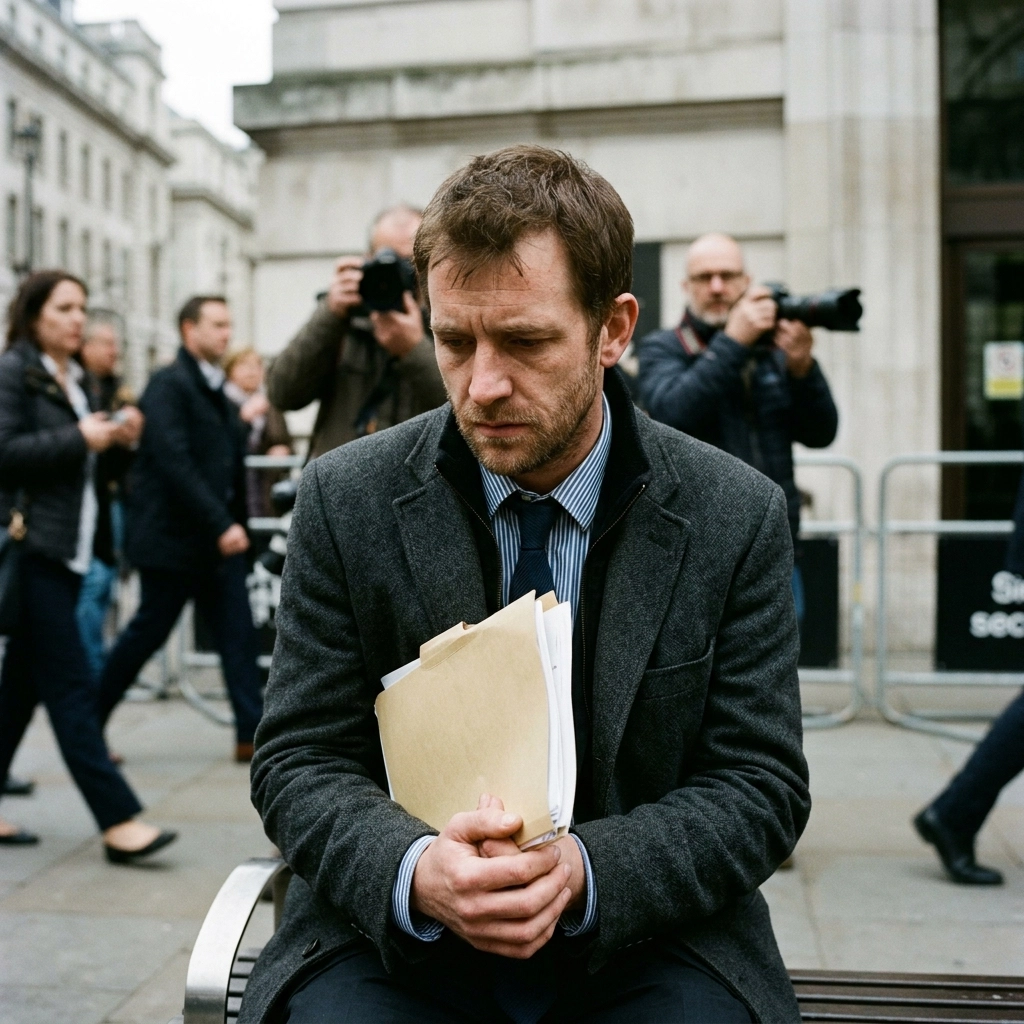
While the focus is often on the immigration status of the claimants, there is a much darker side to this story: the impact on the British partners. When a false claim of domestic abuse is made, the machinery of the state doesn't just grant a visa; it often grinds the life of the accused to a halt. In many of these untold stories, British citizens find themselves suddenly facing police interviews, social services investigations, and even the loss of their jobs or access to their children.
The brilliance of this "system hack" is that the burden of proof is often incredibly low at the initial stages. A single police report or a statement from a domestic violence charity can be enough to trigger the concession. For the British partner, the first they might hear of the "abuse" is when their spouse disappears and they receive a letter from the Home Office or a knock on the door from the authorities. The psychological toll is immense. Being branded an abuser when you have done nothing wrong is a stigma that is incredibly difficult to shake, even if the case is eventually dropped.
Moreover, these false claims clog up the system for actual victims. Every hour spent investigating a fraudulent claim is an hour taken away from a person in genuine, life-threatening danger. When the system is flooded with "noise," the signal of real distress becomes harder to hear. This is the true tragedy of the fake abuse claims scandal: it devalues the experiences of real survivors. It creates a climate of scepticism where genuine victims might be met with doubt because the authorities have been burned so many times by coached scripts and fabricated evidence.
Restoring Integrity to Untold Stories
The revelation of this scandal highlights a massive gap in how we handle independent news uk and policy oversight. It raises uncomfortable questions about the balance between compassion and security. How do we protect the vulnerable without opening the door to those who would exploit that protection? There is no easy answer, but the first step is acknowledging that the problem exists. For too long, these reports were dismissed as fringe concerns or politically motivated rhetoric. But the evidence of organised fraud is now too significant to ignore.
Addressing this issue requires more than just tighter checks; it requires a crackdown on the unscrupulous legal advisors who facilitate this fraud. These individuals are the architects of the "system hack." By charging high fees to subvert the law, they are not only committing a crime but are also undermining the integrity of the British legal and immigration systems. Without their expertise in navigating the loopholes, the scale of this fraud would be significantly diminished.
Ultimately, the fake abuse claims scandal is a reminder that even the most well-meaning systems can be corrupted if they lack transparency and rigorous oversight. As we continue to uncover these untold stories, the goal must be to fix the system so that it serves its original purpose: protecting those who truly need it. It is about ensuring that a lifeline for victims remains a lifeline, rather than a tool for deception. The "hack" has been identified; now it is time for the system to patch the vulnerability and restore the public's trust in the process.
The integrity of our social and legal frameworks depends on our ability to distinguish between a cry for help and a calculated move. By shining a light on these practices, we take the power away from the scammers and give it back to the survivors who actually need the protection of the state. It is a complex, messy, and often heartbreaking issue, but it is one that must be faced head-on if we are to maintain a fair and just society.
The investigation into these claims continues to reveal the depth of the problem, highlighting a need for a fundamental shift in how the Home Office validates the evidence provided in such cases. While the priority must always remain the safety of individuals, the ease with which the current system can be manipulated suggests that the current safeguards are insufficient. The conversation around this issue is far from over, and as more evidence comes to light, the pressure for systemic reform will only grow. This is not about being anti-immigration; it is about being pro-integrity and ensuring that the law cannot be bought for £900 and a well-rehearsed lie.