Q: So, it turns out Jeffrey Epstein wasn't just a New York and Caribbean problem?
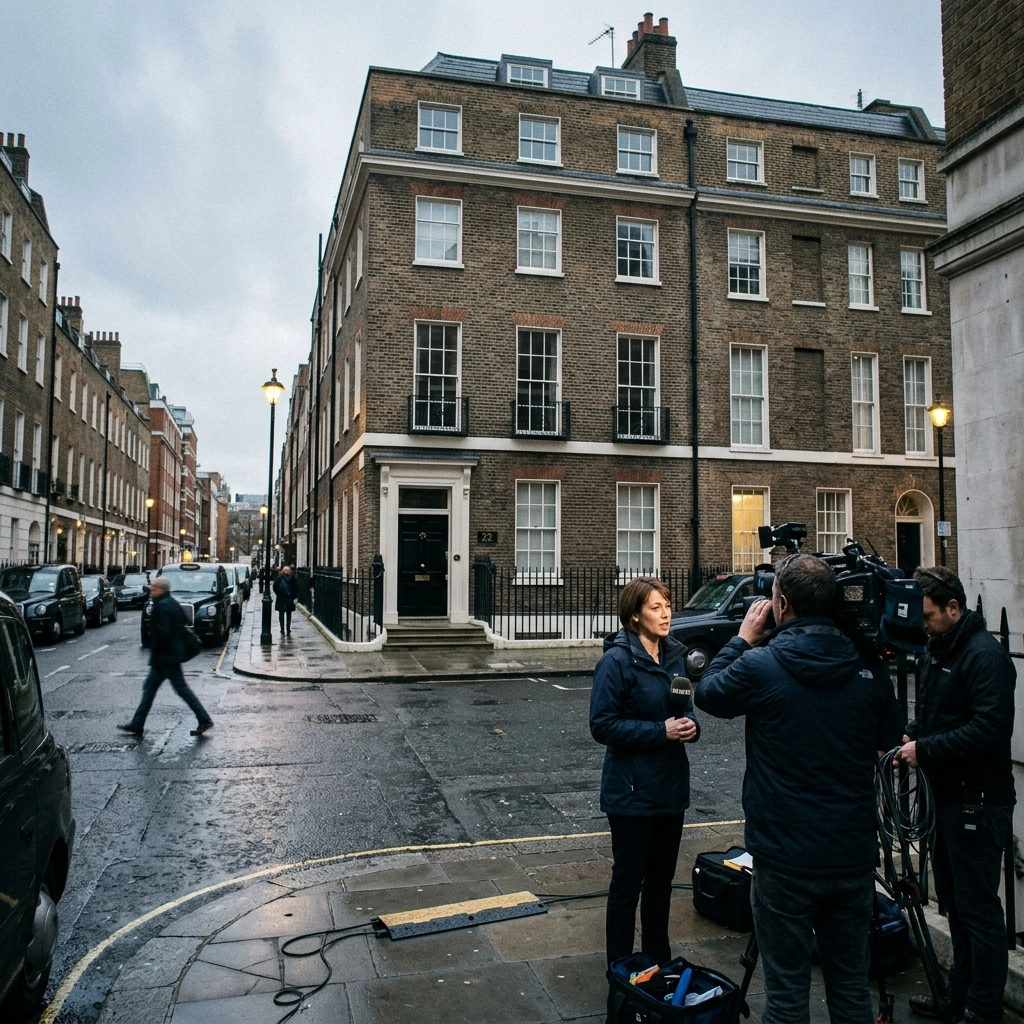
A: Not by a long shot. While most of the global headlines for the last few years have focused on his private island or that gaudy Manhattan mansion, London was apparently his European playground for a lot longer than anyone wanted to admit. The latest investigation has finally pulled back the curtain on what we’re calling his "London Lair." We aren’t just talking about a dodgy hotel room or a one-off visit; we’re talking about a co-ordinated operation involving at least four flats in some of the most expensive postcodes in the UK: specifically Kensington and Chelsea.
Q: Kensington and Chelsea? That’s about as posh as it gets. How did he manage to hide a trafficking ring there?
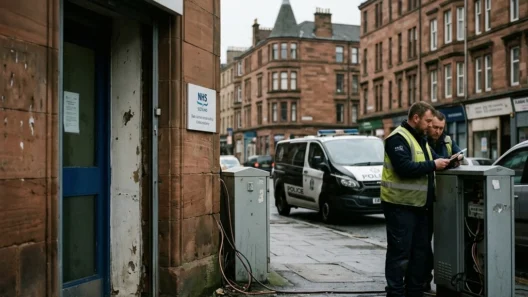
A: In plain sight, which is the most chilling part of the whole story. He used his immense wealth and high-level connections to blend into the background of West London’s elite. According to the recent findings, he housed at least six victims across these four properties. These weren't just passing visits; this was a logistical hub. He was paying the rent, covering utility bills, and even funding study courses for the women to keep up the appearance of a legitimate stay in the UK. It was a classic "hide in the light" tactic that worked for years because nobody thought to look twice at a billionaire’s property portfolio.
Q: How did this information come out now? Is this all from those 2026 document releases?
A: Exactly. It all stems from the massive document dump known as the "Epstein Files" released in January 2026. Bank records, emails, and Eurostar booking logs have painted a picture that the authorities seemingly ignored or missed for over a decade. It turns out that providing 'independent news uk' readers with the truth requires digging through thousands of pages of boring bank transfers that hide very dark secrets. These records show a level of detail: down to the penny spent on groceries and transport: that makes it impossible to claim this was just a series of unfortunate coincidences.
The Met Police and the 2015 Blind Spot
Q: Wait, didn’t the police already look into this years ago? Why are we only hearing the details now?
A: This is where the story gets bold and, frankly, quite infuriating. Back in 2015, Virginia Giuffre made explicit trafficking allegations against Epstein involving London. The Metropolitan Police had a look and decided not to pursue a full criminal investigation. They claimed they followed "reasonable lines of enquiry" and cooperated with US investigators, but the case was essentially mothballed. The new files show that while the Met was deciding there was "nothing to see here," Epstein was still actively moving women in and out of the country. It’s a massive failure of oversight that’s only now being fully understood.
Q: Is there evidence of how he moved people around? Was he using private jets for everything?
A: Actually, he was a big fan of the train. Between 2011 and 2019, logs show at least 53 Eurostar tickets purchased to shuttle women between his 18-room Paris home and London. He even had the audacity to use "youth" fares for those under 25 to save a few quid. Imagine that: a billionaire sex trafficker looking for a discount on the train while he systematically ruined lives. This wasn't a shadow operation; it was a well-oiled machine involving regular transport, monthly allowances, and visas. He treated human beings like inventory that needed to be moved between warehouses.
Q: What about the victims? Who were these women?
A: Many were trafficked from Russia and Eastern Europe. These women were often lured with the promise of a better life, education, or "modelling" opportunities in the West. Once they arrived at the Kensington flats, the reality was much grimmer. Some reports suggest the flats were overcrowded, with victims sleeping on sofas, while Epstein maintained total control through social media and Skype even when he wasn't physically in the UK. These are the 'untold stories' that are finally coming to light, showing the human cost behind the luxury facades of West London.
The Logistics of Control and Cash
Q: You mentioned bank records earlier. What do they show about the day-to-day operation?
A: They show the paper trail of a predator. Monthly allowances were paid out like clockwork. He wasn't just paying for their silence; he was paying for their daily existence to ensure they were entirely dependent on him. He funded their visas and their "education" to ensure they stayed within his orbit and had a legal reason to be in the country. It was a sophisticated form of grooming that used the UK’s own administrative systems against itself. By providing a flat and a "course," he created a veneer of legitimacy that kept the authorities at bay.
Q: Was he doing this all by himself? Four flats and dozens of victims seems like a lot of admin.
A: That’s the big question everyone is asking now. An operation of this scale: running multiple properties, managing visas, booking dozens of international train tickets, and handling constant cash transfers: usually requires a team. While Epstein is dead, the records of who helped facilitate these moves, who signed the leases, and who visited those flats remain. The BBC’s discovery of these bank records is just the tip of the iceberg. We are looking at a support network that has largely escaped scrutiny until the January 2026 file release.
Q: Why is London so central to this? Why not just stay in the US or Paris?
A: London offered a unique combination of prestige, anonymity for the wealthy, and a very convenient transport link to Europe. Being in Kensington and Chelsea allowed him to host "guests" and maintain a social standing that acted as a shield. If you’re a billionaire in a £10 million flat, people tend to assume you’re "one of them" rather than a criminal. Plus, the ease of the Eurostar meant he could move victims between jurisdictions with minimal fuss, exploiting the different policing priorities of the UK and France.
A Failure of Oversight and Responsibility
Q: Does this mean the UK legal system actually failed these women?
A: Spectactularly. Legal experts are now pointing out that under UK law, the authorities had a clear obligation to investigate human trafficking regardless of whether a victim was willing to cooperate at the time. The 2015 decision to walk away looks more negligent with every new document that surfaces. It allowed Epstein to continue operating his London hub for another four years before his final arrest in the US. The "not enough evidence" excuse doesn't hold much water when the BBC can find bank records and travel logs ten years later that prove a massive trafficking operation was in flight.
Q: What happens next? Is there going to be a new investigation?
A: There is growing pressure for a full public inquiry into how the Metropolitan Police handled the initial reports. The discovery of these four flats and the six identified victims has changed the narrative from "one man's bad behaviour" to "a systemic failure of British policing." With 'independent news uk' outlets pushing for transparency, the Met will find it very difficult to stay silent. The victims deserve more than just a headline; they deserve an explanation as to why a known predator was allowed to run a trafficking hub in the heart of the capital for nearly a decade.
: What’s the biggest takeaway from these latest findings?
A: It’s a stark reminder that 'untold stories' often hide in the most prestigious places. We tend to think of trafficking as something that happens in the shadows, in back alleys or industrial estates on the edge of town. But in this case, it was happening in Kensington and Chelsea, funded by a man who rubbed shoulders with royalty and politicians. The lesson is clear: wealth is the ultimate camouflage, and the system is often too blinded by status to see the crime happening right in front of it.
The revelation of Epstein’s London network serves as a critical point of reflection for the UK’s approach to human trafficking and the oversight of the ultra-wealthy. As more details emerge from the 2026 files, the focus shifts from the crimes of one individual to the structures that allowed those crimes to flourish. The investigation into the Kensington and Chelsea flats is likely only the beginning of a much larger reckoning regarding the extent of Epstein's operations on British soil. Ensuring such a failure of oversight does not happen again requires a transparent analysis of the past.