Q: So, what is the actual story here? Are we talking about a few rumours, or something more substantial?
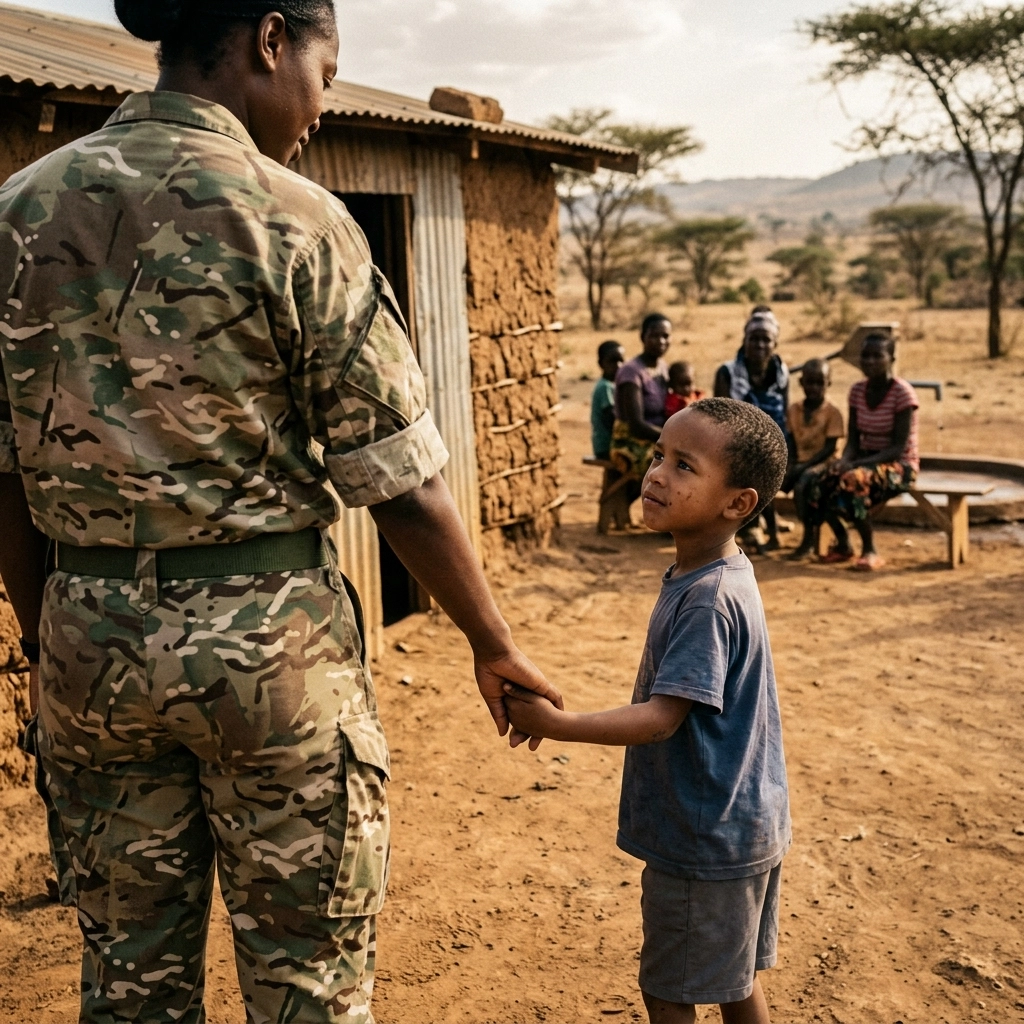
We are talking about a full-blown investigation into a legacy of abandonment that has spanned decades. For years, stories have swirled around Nanyuki, a town in Kenya that plays host to the British Army Training Unit Kenya (BATUK). The stories usually follow a similar, heartbreaking pattern: a British soldier arrives for training, meets a local woman, fathers a child, and then vanishes back to the UK once his tour is over. For the women left behind, it isn't just a case of "ghosting" after a bad date; it is a life of poverty, social stigma, and raising mixed-race children in a community where they often feel like outsiders. This isn't just gossip; it is one of those untold stories that has finally been dragged into the light by a massive DNA-led investigation.
Q: How did they actually catch these guys? Surely it’s impossible to find one specific "Private Smith" from twenty years ago?
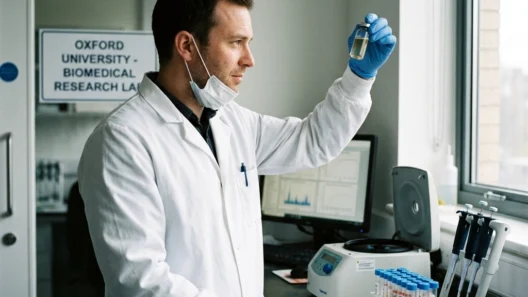
You would think so, but science has a funny way of catching up with people. The investigation, led by experts from King's College London and a team of dedicated lawyers, used a mix of old-school detective work and cutting-edge genetic genealogy. They didn't just knock on doors in the UK; they used commercial DNA databases: the kind people use to find out if they’re 2% Viking. By uploading the DNA of the Kenyan children to these sites, they could map out extended family trees. If the father himself hadn't taken a test, his cousin, sister, or distant aunt probably had. Once you have a genetic match to a family in the UK, the circle starts to close. It turns out the British Army’s DNA legacy is a lot harder to erase than a temporary deployment record.
Q: That sounds like something out of a forensic thriller. What were the results?
The results were pretty damning. So far, the initiative has identified 20 British military personnel who fathered children in the area. Out of those, 12 cases have already seen formal paternity confirmed by a senior UK Family Court judge. That is a massive win. It isn’t just about getting a name on a birth certificate, either; it’s about legal accountability. This isn’t a "he said, she said" situation anymore. It is a "the DNA says you’re the dad" situation, and the British legal system is finally having to acknowledge it.
The Science of Hunting Ghosts
Q: Why has it taken this long for anyone to do anything?
There is a massive power imbalance at play. On one side, you have the British Ministry of Defence (MoD), a titan of the UK establishment. On the other, you have women living in rural Kenya, often with very little money and zero access to high-end British lawyers. For decades, these women were effectively silenced by bureaucracy. If they tried to make a claim, they were met with a wall of "we can't identify the individual" or "this is a private matter." It took a concentrated effort from independent news UK outlets and human rights lawyers to break that wall. This wasn’t a priority for the powers that be because, frankly, it was easier to ignore. These children were the "secret kids," kept off the books and out of the public eye until the evidence became impossible to dismiss.
Q: What is life actually like for these kids in Kenya?
It is tough. Nanyuki is a garrison town, and while the military presence brings in money, it also brings a specific set of social problems. The children, many of whom are now adults or teenagers, often grew up in extreme poverty. Because they are mixed-race, they have frequently faced discrimination within their own communities. There is also the psychological toll. Imagine growing up knowing your father is a soldier from a wealthy country who simply chose to forget you existed. Some of these kids were promised that their fathers would return or send for them, only for the phone lines to go dead the second the plane touched down at Brize Norton. It is a legacy of broken promises that has left a permanent mark on the region.
Q: Is this a systemic issue within the British Army, or just a few "bad apples"?
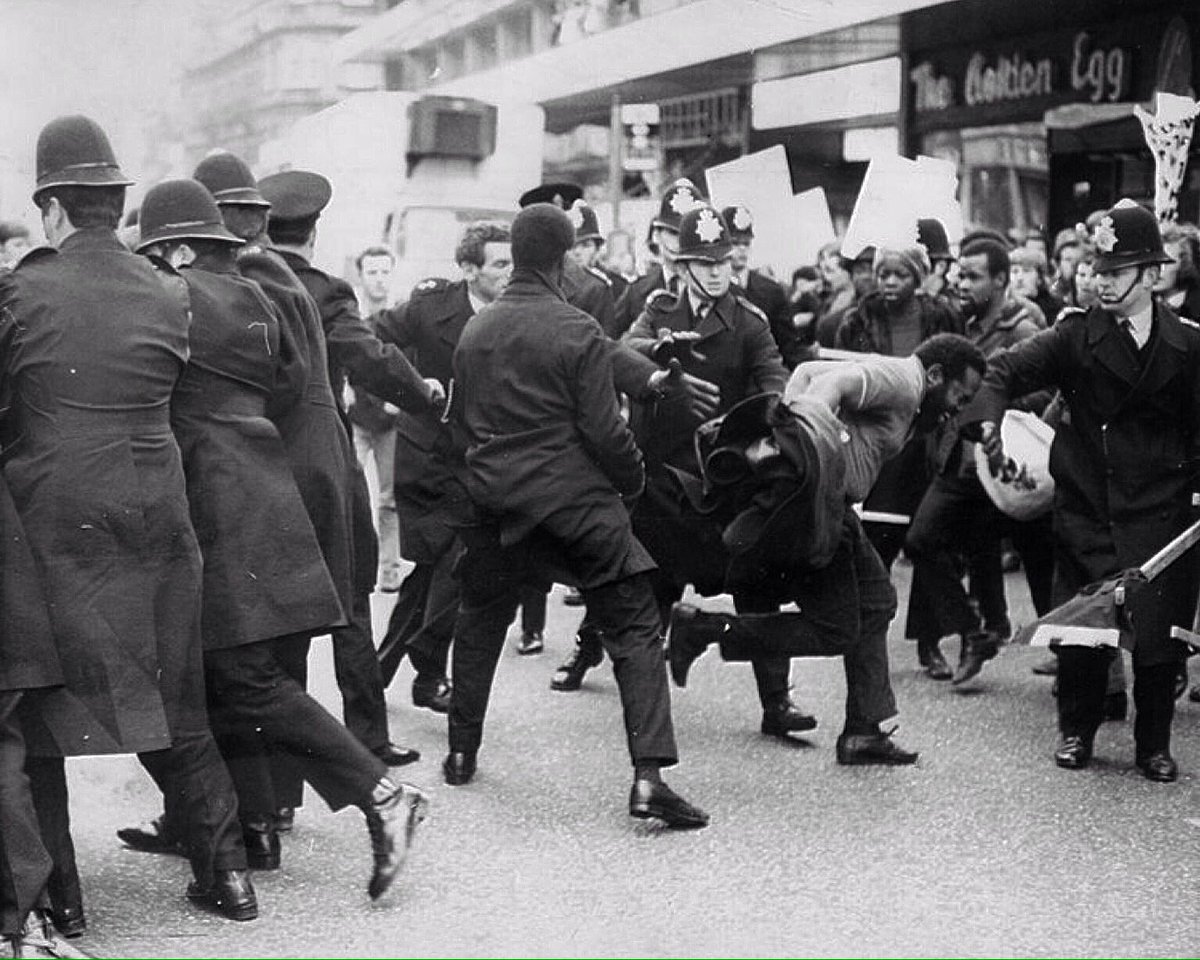
That is the million-pound question. While the MoD might prefer to frame this as a series of isolated incidents involving individuals who behaved poorly, a Kenyan parliamentary inquiry suggests something much more systemic. The inquiry, published in late 2025, accused the British soldiers at BATUK of operating within a "culture of impunity." It wasn’t just about abandoned children; the report detailed allegations of sexual abuse, environmental damage, and even murder. When you have a massive military force stationed in a developing nation, and the legal jurisdiction is "complicated" (to put it mildly), you create a vacuum where people think they can get away with anything. Abandoning a child is just one part of a much broader pattern of behaviour that many feel has been tolerated for far too long.
A Culture of Impunity in Nanyuki
Q: What does "paternity confirmation" actually change for these families?
It changes everything. Once paternity is legally established in a UK court, those children: many of whom are now young adults: become eligible to register for British citizenship. That is a life-changing prospect. It opens doors to education, healthcare, and employment that were previously slammed shut. For those still under 18, it also means their mothers can finally pursue child maintenance support. After years of struggling to put food on the table, receiving financial support from a British veteran’s pension or salary isn’t just about the money; it’s about the acknowledgement that their child has a right to exist and be supported.
Q: How has the British government responded to these specific DNA findings?
The official line is usually one of "deep regret." The Ministry of Defence has pledged to take action where possible, but critics argue that "regret" is a cheap sentiment when you’ve spent years making it as difficult as possible for these families to seek justice. The MoD has historically been very protective of its personnel, often citing privacy or security concerns to avoid handing over data that could help identify fathers. However, with the DNA evidence now out in the open and court rulings piling up, they are being forced into a corner. They can no longer pretend this isn't happening.
Q: Is this the end of the story, or are there more cases coming?
This is likely just the tip of the iceberg. Lawyers involved in the cases suggest there are nearly 100 documented instances of children being fathered and abandoned by British soldiers in the region, dating back as far as the 1950s. As more people hear about the success of the DNA genealogy initiative, more will likely come forward. The "secret" is out, and the technology to prove paternity is becoming cheaper and more accessible every day. This isn't a problem that is going to go away with a polite press release; it is a long-term legal and moral reckoning that the British Army is going to have to face.
The Legal Road to Redress
Q: What does this say about the relationship between the UK and Kenya today?
It’s complicated, to say the least. Kenya is a key strategic partner for the UK, and BATUK is a vital training ground for British troops. But you can't have a modern partnership that is built on the foundations of colonial-era entitlement. The people of Nanyuki are increasingly tired of the "soldiers will be soldiers" excuse. They want respect, and they want the British government to take responsibility for the human cost of its military presence. This investigation has become a flashpoint for broader conversations about sovereignty, justice, and how we deal with the messy leftovers of Britain’s global military footprint.
Q: Why should people in the UK care about this?
Because these are British children. If a British man fathers a child in London and disappears, the law is very clear about his responsibilities. The fact that these children were born in Kenya shouldn't give their fathers a "get out of jail free" card. As a society that prides itself on the rule of law and human rights, we can't look the other way when our own state institutions: like the Army: are linked to such blatant neglect. These untold stories matter because they challenge the narrative of the British military as a purely "force for good" abroad. They show the human reality behind the deployments.
Q: What’s next for the "Soldier Dads"?
For the twelve whose paternity has been confirmed, the legal process of securing citizenship and support is underway. For the others, the search continues. The genealogy experts and lawyers involved haven't finished their work. They are still processing samples and still matching names to faces. The message to the men who thought they could leave their responsibilities in a Kenyan dust cloud is clear: the truth has a way of travelling across oceans, and it usually carries a DNA kit.
The investigation into the British Army’s DNA legacy in Kenya represents a significant shift in how military accountability is handled in the modern era. Through the combination of genetic science and international legal action, the "secret kids" of Nanyuki are finally gaining the recognition and rights they were denied for decades. As more cases move through the UK court system, the pressure on the Ministry of Defence to address the systemic issues within BATUK continues to grow. This process ensures that the legal and moral responsibilities of British personnel are upheld, regardless of where in the world they are stationed.