For decades, the narrative of a Type 1 Diabetes diagnosis has followed a terrifyingly predictable script. A child starts losing weight, they’re thirsty enough to drink the tap dry, and they’re constantly exhausted. By the time parents realise something is fundamentally wrong, the situation has often spiralled into a medical emergency. We are talking about Diabetic Ketoacidosis (DKA), a life-threatening state where the body starts to run out of insulin and begins to break down fat for energy, creating a toxic buildup of acids in the bloodstream. It is high-stakes, high-stress, and entirely too common.
But the winds are shifting. The NHS is currently spearheading a movement that feels less like standard clinical procedure and more like high-level medical detective work. Through the ELSA study (Early Surveillance for Autoimmune Diabetes), the UK is moving toward a future where a simple finger-prick test can spot the biological breadcrumbs of diabetes years before a single symptom surfaces. This isn’t just independent news UK; it is one of those untold stories about how the bedrock of our healthcare system is being rebuilt to be proactive rather than reactive.
In the world of autoimmune diseases, Type 1 Diabetes has always been the ultimate gatecrasher. It shows up uninvited, wreaks havoc, and leaves the family to pick up the pieces. However, with the expansion of screening programmes for children aged two to 17, the NHS is finally putting up a "no entry" sign: or at least, they are making sure we see the intruder coming from a mile away. Here is how this landmark shift is rewriting the medical rulebook.
1. Stopping the Emergency Room Rush
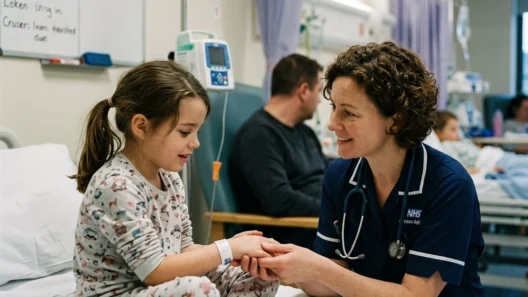
The most immediate and visceral way this screening saves lives is by completely dismantling the emergency diagnosis pipeline. Currently, around 25% of children in the UK are only diagnosed with Type 1 Diabetes once they have reached the point of DKA. Imagine being a parent and having no idea your child is ill until they are being rushed into intensive care. It is a trauma that stays with families forever.
The ELSA study, which recently published findings in The Lancet, has shown that we don’t have to live like this. By screening over 17,000 children, researchers were able to identify dozens of kids who were living with "pre-symptomatic" Type 1. These are children whose immune systems have already started the process of attacking the insulin-producing cells in the pancreas, but whose blood sugar hasn't quite hit the danger zone yet.
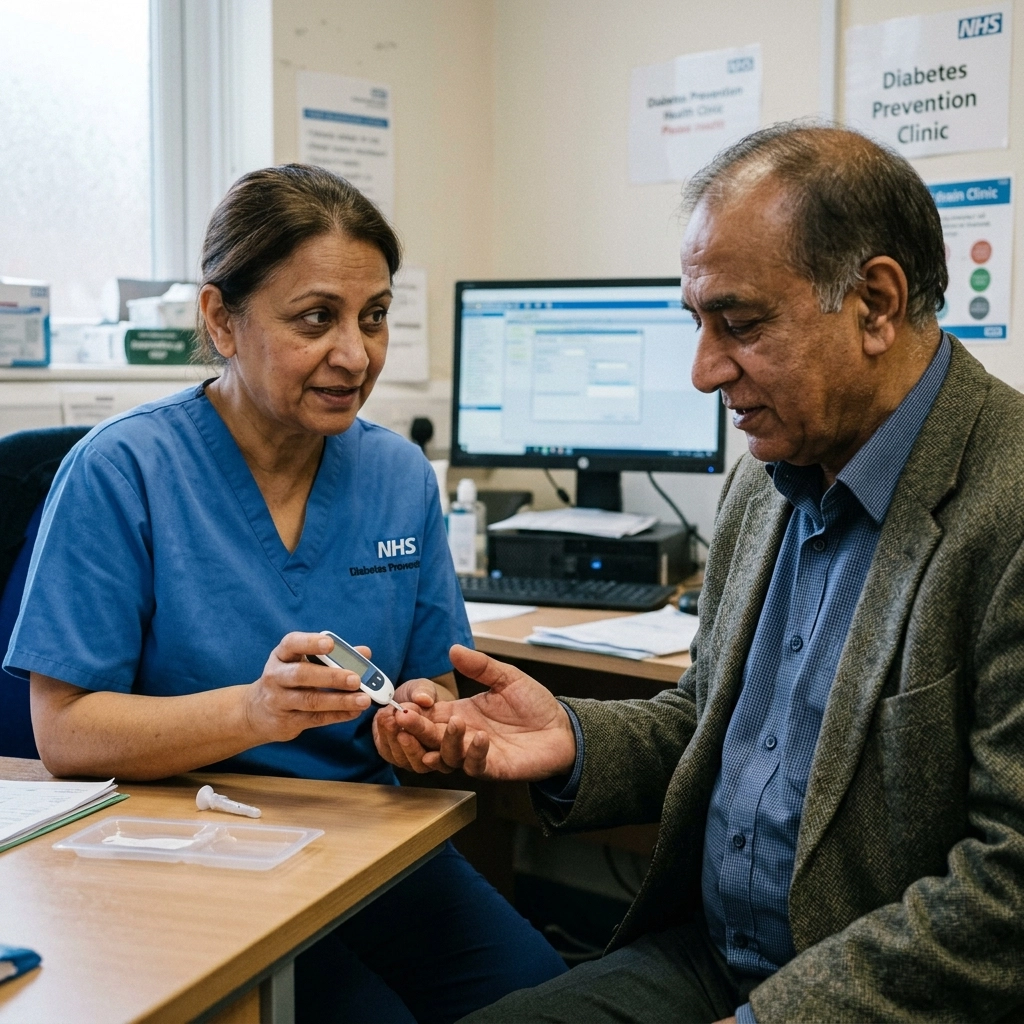
By catching these cases early, the NHS provides families with something that was previously impossible: time. Time to educate themselves, time to learn how to monitor glucose levels, and time to adjust to a new reality without the backdrop of a hospital siren. This proactive approach reduces the rate of DKA at diagnosis from 25% to nearly zero in screened populations. It’s not just about better health outcomes; it’s about preserving the mental health of parents and the safety of children. When you know what’s coming, you can prepare the battlefield. That is the power of the finger-prick.
2. Buying Time with Bio-Tech Brilliance
If you think a finger-prick is just about "knowing," think again. In 2026, knowing is the gateway to doing. We have entered an era where "delaying" diabetes is no longer science fiction. By identifying children who have two or more autoantibodies: the proteins that signal the immune system’s attack on the pancreas: clinicians can now intervene with groundbreaking immunotherapies.
Drugs like teplizumab have been making waves globally because they can effectively "re-train" the immune system to chill out, delaying the onset of insulin dependence for an average of two to three years. For a ten-year-old, two or three years of life without daily injections and constant monitoring is an eternity. It means more time just being a kid. It means more time for researchers to develop even better treatments or, dare we hope, a cure.
The NHS screening programme is the essential infrastructure for these "bio-magic" treatments. You can’t use a delay-tactic drug if you don’t know who needs it until it’s too late. The ELSA 2 phase is now establishing dedicated early-stage Type 1 clinics across the country. These aren't just your standard GP offices; they are hubs of medical innovation where children are monitored with the kind of precision usually reserved for elite athletes. This is the bold, independent news UK angle that often gets buried: the NHS is becoming a world leader in preventative immunology, proving that a finger-prick today can literally buy years of health tomorrow.
3. Identifying the Invisible Million
While the ELSA study focuses on the younger generation and Type 1, the "finger-prick future" has massive implications for the broader diabetes crisis in the UK. Type 2 Diabetes is often seen as the "lifestyle" counterpart, but it is equally stealthy. Experts estimate there are nearly one million people in Britain living with Type 2 Diabetes who have absolutely no idea. They are the "Invisible Million," walking around with elevated blood sugar levels that are slowly damaging their kidneys, eyes, and hearts.
The success of mass screening for children is providing the blueprint for how we handle the adult population. If we can normalise a quick, home-based finger-prick test for kids, the barrier for adults to do the same drops significantly. The data suggests that early detection of Type 2 through simple screening could save the NHS millions of pounds and prevent thousands of avoidable amputations and cases of vision loss.
The "untold stories" here are the people who will never have to lose a limb because a five-minute test caught their condition five years earlier than a standard check-up would have. This is where the casual, bold nature of the new NHS strategy shines. It’s moving away from the "wait until it hurts" model and toward a "check it while you're healthy" culture. By making screening accessible: whether it’s at a GP surgery, a school, or even through a kit sent to your front door: the NHS is hunting down the disease before it has the chance to cause permanent damage.
The shift toward universal screening is a massive logistical undertaking, but the initial results of the ELSA study make the argument for it undeniable. The first phase found that about 1% of the children screened were already on the path to Type 1, with some needing insulin immediately despite having no outward symptoms. If you scale that up to the entire UK population, we are talking about thousands of children whose lives are being fundamentally altered for the better by a tiny drop of blood.
This isn’t just about the science; it’s about the philosophy of care. It’s about an NHS that values prevention as much as it values the cure. As we move further into 2026, the goal is to make these screenings as routine as a dental check-up or a routine vaccination. It’s a bold move, and it’s one that will likely define the health of the nation for the next fifty years.
The NHS’s transition toward early diabetes screening represents a fundamental shift in how autoimmune conditions are managed in the UK. By moving the point of diagnosis from the emergency room to the family kitchen, the ELSA study and its subsequent expansions are providing a model for preventative medicine that is both cost-effective and compassionate. As Phase 2 continues to roll out across the country, the focus remains on equipping families with the knowledge and tools necessary to manage a diagnosis before it becomes a crisis. The era of the "emergency diagnosis" may soon be a relic of the past, replaced by a future where a simple finger-prick is the first line of defence.