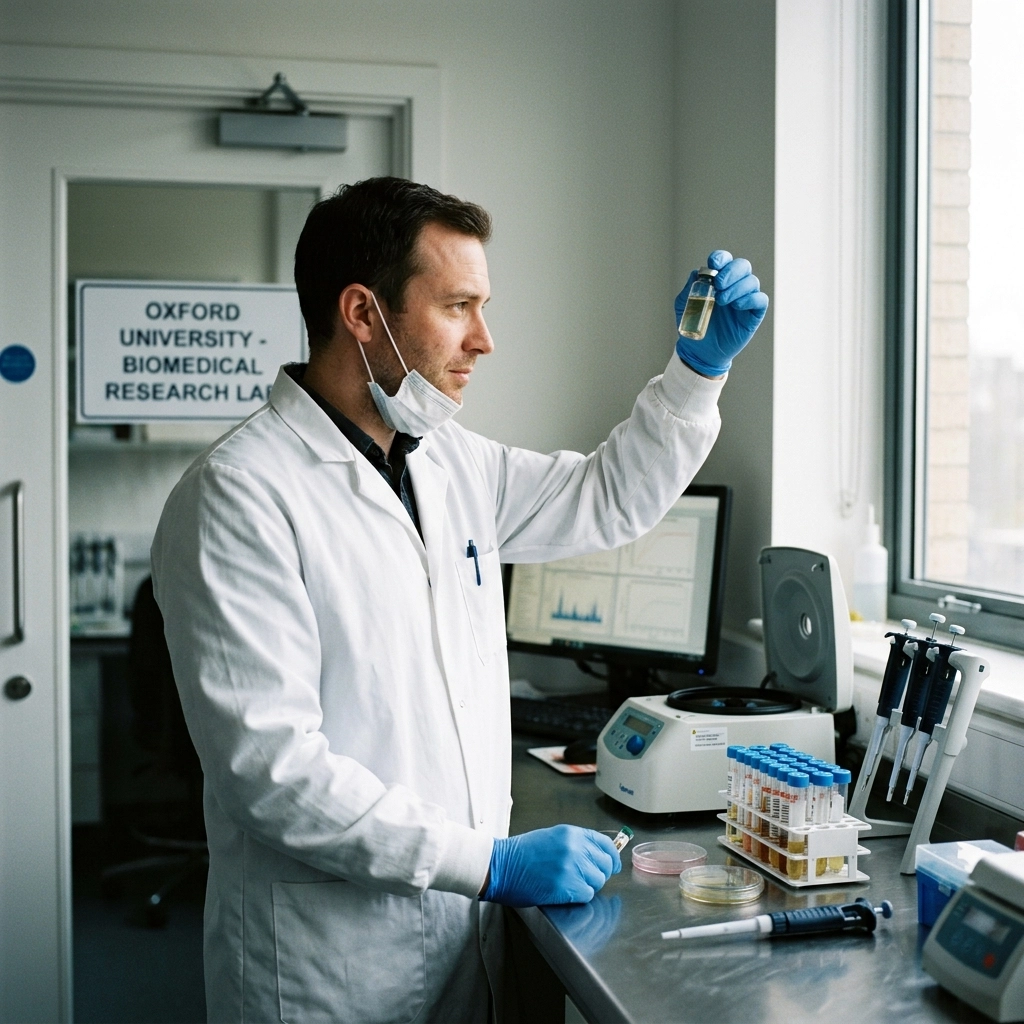
Chronic pain is often described as a silent thief. It’s the uninvited guest that refuses to leave, stealing everything from a good night’s sleep to the simple joy of a morning walk. For millions of people across the UK, living with conditions like Crohn’s disease or rheumatoid arthritis isn't just about managing symptoms; it’s about enduring a relentless, grinding agony that traditional medicine often fails to touch. But there is a shift on the horizon. Researchers from the University of Surrey and the University of Oxford have just dropped a bombshell discovery that could rewrite the script for chronic pain management. This isn’t just another incremental step; it’s a bold leap forward in understanding how our bodies process inflammation and pain.
As part of our mission to deliver independent news uk, we’re looking past the usual headlines to bring you the untold stories that actually matter to your health. This latest breakthrough focuses on a specific protein interaction that acts as a sort of "dimmer switch" for the nervous system. By targeting this mechanism, scientists believe they can finally offer a fix for the debilitating inflammation that defines chronic illness. It is a story of high-level biology meeting real-world suffering, and the results are nothing short of revolutionary.
For decades, the medical community has relied heavily on broad-spectrum painkillers and anti-inflammatories. While these can provide temporary relief, they often come with a heavy price tag of side effects or, in the case of opioids, a high risk of dependency. This new research pivots away from the "hammer" approach of traditional drugs and looks toward the "scalpel" of precision protein targeting. The focus is on a protein known as SLC45A4, a neuronal polyamine transporter that seems to be the linchpin in how our nerves communicate pain signals.
The Science of the Inflammation Off-Switch
To understand why this is such a big deal, you have to understand how chronic pain actually works. When you have a condition like Crohn’s or arthritis, your body is essentially stuck in a loop of "danger" signals. Your nerves become over-sensitised, firing off warnings at the slightest provocation. It’s like having a car alarm that goes off because a leaf landed on the bonnet. The researchers at Surrey and Oxford found that the SLC45A4 protein is responsible for hauling polyamines: molecules that ramp up nerve sensitivity: into your neurons.
When these polyamines accumulate, your nerves become "hair-trigger" sensitive. By finding a way to block or regulate this protein, scientists have effectively found the "off-switch" for this hyper-sensitivity. It’s a bold claim, but the data is compelling. This isn't just about masking the pain; it's about fundamentally changing how the nerve cell behaves so that the pain never reaches a crescendo in the first place.
The Inflammation Off-Switch
- Identification of SLC45A4: Researchers pinpointed this specific protein as the primary transporter of polyamines into nerve cells.
- The Polyamine Connection: High levels of polyamines are directly linked to increased nerve excitability and chronic pain states.
- Targeted Intervention: By inhibiting this protein interaction, the researchers were able to reduce the "noise" in the nervous system without affecting other vital functions.
- Broad Application: Unlike drugs designed for one specific disease, this "off-switch" could potentially work for any condition driven by chronic nerve inflammation, including Crohn’s and various forms of arthritis.
- Genetic Precision: The study used advanced genetic mapping to ensure that the fix is as precise as possible, minimizing the risk of the "splash damage" side effects common in current treatments.
This level of detail is exactly why we focus on untold stories. While the mainstream media might focus on the latest diet fad, the real progress is happening in labs where proteins are being decoded to save lives. The collaborative effort between Surrey and Oxford highlights a powerhouse of British innovation, proving that when the best minds in the country put their heads together, we get solutions that actually work.
Breaking the Shackles of Opioid Dependency
The timing of this discovery couldn't be more critical. The world is currently grappling with an opioid crisis that has devastated communities and left millions of patients trapped in a cycle of addiction. For many living with chronic pain, opioids were the only option powerful enough to offer a reprieve. However, those drugs work by flooding the brain’s reward system, which leads to tolerance and withdrawal. This new protein-based approach is entirely different. Because it targets the peripheral nervous system and specific cellular transporters, it doesn't mess with your brain chemistry in the same way.
The Oxford-led research suggests that by focusing on SLC45A4, we can provide the same level of pain relief as heavy narcotics without the high. It’s a witty bit of biological engineering: instead of trying to dull the brain's perception of pain, you simply stop the pain signal from being so loud at the source. For someone with rheumatoid arthritis, this could mean the difference between being bedbound and being able to return to work. For a Crohn’s patient, it could mean an end to the constant, burning inflammation that makes daily life a minefield.
This is the kind of bold thinking that defines modern independent news uk coverage. We aren't just reporting on a new pill; we’re reporting on a shift in the medical paradigm. The move toward "biologic" and protein-focused therapies represents the future of medicine. It’s cleaner, it’s smarter, and it’s significantly safer for the patient in the long run. The researchers are now looking into how this protein interaction can be packaged into a stable drug format, bringing us closer to a world where "chronic" doesn't have to mean "forever."
A New Horizon for Chronic Illness Management
Looking ahead, the implications of this "Protein Power" discovery are staggering. Beyond just pain, the regulation of inflammation at a cellular level could lead to better outcomes for a host of autoimmune disorders. Crohn’s disease, for instance, is notoriously difficult to treat because it involves such complex inflammatory pathways. If we can master the SLC45A4 switch, we might be able to calm the gut’s nervous system, providing a level of comfort that current immunosuppressants simply can't match.
The journey from a lab discovery to a pharmacy shelf is often long, but the foundation laid by the Surrey and Oxford teams is rock solid. They have identified the target, mapped the structure, and proven the mechanism. Now, the race is on to develop the inhibitors that can bring this fix to the public. In the world of medical research, this is the equivalent of finding a map to a hidden treasure. The treasure, in this case, is a life free from the weight of chronic pain.
We often hear about "miracle cures" that never quite materialise, but this feels different. The specificity of the protein interaction and the prestige of the institutions involved suggest that this is the real deal. It’s a testament to the importance of funding basic science and the incredible potential of the UK’s research sector. As we continue to follow these untold stories, it becomes clear that the next great medical revolution won't come from a new chemical compound, but from understanding the proteins already working inside us.
The discovery of the SLC45A4 protein’s role in pain signalling offers a promising new direction for the treatment of chronic inflammatory conditions. By shifting the focus from general pain relief to the precision regulation of nerve sensitivity, researchers have opened a door to safer, more effective therapies. While further clinical trials are necessary to bring these findings into mainstream medical practice, the collaborative work of the University of Surrey and the University of Oxford marks a significant milestone in the fight against chronic pain. This breakthrough provides a foundation for future treatments that could significantly improve the quality of life for millions of individuals worldwide.