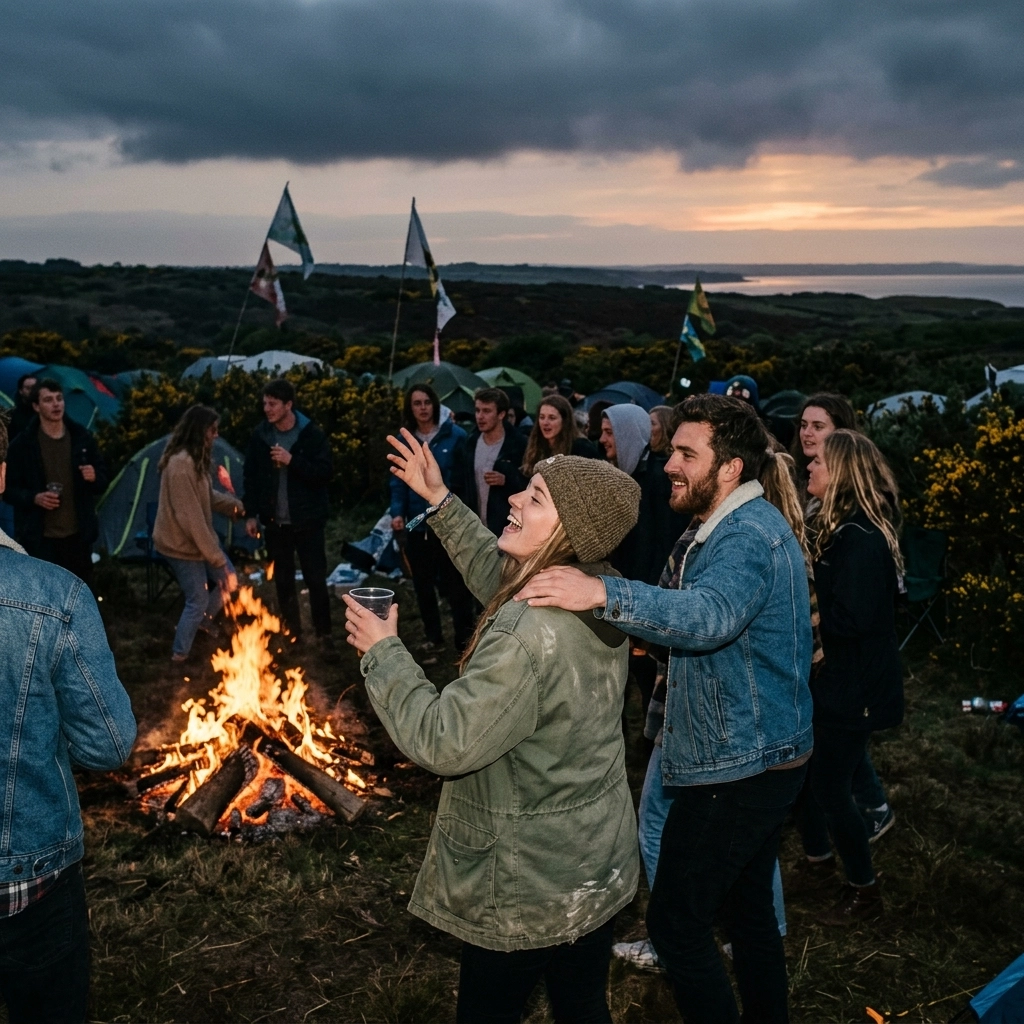
Suffolk is often pictured as a county of quiet lanes, thatched cottages and postcard calm, yet this spring it has revealed a louder, livelier side of itself. Across twenty-one days, the first Festival of Nature has turned fields, reedbeds, town centres and coastal paths into part of one long county-wide celebration, drawing attention to a landscape that is far richer and more dramatic than its gentle reputation suggests.
As part of our commitment to independent news uk, this is exactly the kind of story worth following closely. The festival is not a dry exercise in policy language or a closed gathering for specialists. It is a public invitation to see Suffolk differently, and to listen to the untold stories carried in birdsong, marshland, woodland and tide. From the ancient forests in the west to the shifting shingle on the east coast, every corner of the county has become part of a larger narrative about what survives here, what is changing, and why local people are fighting to keep it alive.
What has made the event stand out is the sense of movement around it. On one evening there is a dusk safari; on another, a bio-blitz, with residents and visitors logging what they find in hedgerows, ponds and meadows. The energy feels closer to a summer gathering than a formal conservation campaign, but beneath that atmosphere sits a serious aim: to connect people with the natural world in a way that feels immediate, open and rooted in everyday life.
The Secret Life of the Suffolk Coastline
Much of that story is unfolding along the coast, where the festival has leaned into the fragile beauty of Suffolk’s edge. Here, the wind moves across reedbeds and salt marshes, and the county’s wildlife is never far from view if you know where to look. The Bittern, once pushed close to disappearing in the UK, has become an unlikely emblem of the moment, its deep, booming call carrying across Minsmere like something from another age. It is the kind of sound that stops people in their tracks and reminds them that the landscape is not a backdrop, but a living presence.
Elsewhere, organisers have drawn attention to species that are easy to miss and easier still to overlook. In the Brecks, Stone-curlews nest on sandy ground, so well camouflaged that many people could walk past without ever knowing they were there. Guided walks have given local residents a closer look at these unusual birds, while Orford Ness has offered another layer of the county’s story, where military history and wild habitat now sit side by side. Rare plants and nesting birds have found space in a place shaped first by defence and now by recovery.
It is in these intersections between place, memory and ecology that the festival feels most alive. That approach also reflects what independent news uk should do at its best: look beyond the obvious and give space to the untold stories that define a region. Visitors have been encouraged to log sightings of birds, mammals and insects as they go, feeding a growing community record of local biodiversity. Beyond the shore, attention has also turned to the waters offshore, where Harbour Porpoises and Grey Seals remain part of a North Sea ecosystem that many people rarely think about. Taken together, these moments have created something more than a programme of events. They have helped turn conservation into a local conversation, grounded in pride, curiosity and a clearer sense of what is at stake.
The Festival Vibes: More Than Just Birdwatching
The festival’s biggest achievement may be the way it has changed the mood around environmental action. Rather than asking people to arrive with specialist knowledge, it has met them where they are, mixing music, art, local food and wildlife in a way that feels welcoming rather than worthy. In Ipswich and Lowestoft, pop-up photography galleries in empty shop units have captured the untold stories of foxes, birds and insects surviving in built-up streets. Local breweries have joined in too, producing limited-edition ales named after familiar landmarks and species, with proceeds helping to support habitat restoration.
That same sense of openness runs through the programme. Families, young people and first-time visitors have been drawn into events that avoid the gatekeeping often associated with traditional wildlife spaces. Night-time bat walks have become some of the most popular outings of the three weeks, while augmented reality trails have added another layer, showing visitors how parts of Suffolk may have looked thousands of years ago. The mix of old and new, fieldcraft and technology, feels natural rather than forced, and it is a reminder that fresh regional reporting matters because it captures how communities are adapting in real time. That is part of the value of independent news uk: paying attention when local voices choose to do things differently.
There is also something deliberately hopeful in the way organisers have framed the whole event. Gardening competitions have encouraged residents to trade clipped lawns for wildflower patches and hedgehog routes, turning private spaces into part of a wider network of habitats. Woodland gatherings and carefully managed music events have shown that celebration and responsibility do not have to be opposites. By calling it a three-week party, the festival has sidestepped the paralysis that often comes with environmental fear and replaced it with a stronger sense of collective purpose. Just as importantly, the social ties formed during these weeks look set to outlast the final event, with new groups and relationships beginning to take shape across the county.
A New Chapter for Regional Conservation
As the festival moves into its closing stretch, the conversation is shifting from celebration to what comes next. The untold stories here are not only about Bitterns, seals or rare plants, but about the people who have kept these places going: volunteers surveying habitats before dawn, farmers testing more nature-friendly methods, and campaigners trying to build support for long-term change. Rewilding remains a contested idea in some quarters, yet the festival has created room for those arguments to happen in public, with fewer slogans and more honesty about what different communities need from the land.
That matters in a county facing real pressure from climate change. Rising sea levels threaten the marshes and heaths that have given this festival much of its character, and there is no serious discussion about Suffolk’s future that can avoid that fact. Even so, the tone has not been fatalistic. Organisers have used the platform to explore practical responses, from managed realignment on vulnerable coastlines to inland habitat corridors that can help species move as conditions change. Schoolchildren have taken part in outdoor lessons that make the same point in simpler terms: nature is not a distant subject but something they already belong to.
This is where the role of independent news uk becomes more than descriptive. Regional stories like this deserve attention because they show how environmental change is actually being negotiated on the ground, through compromise, experimentation and local effort. The first Festival of Nature in Suffolk has shown that serious conservation and public celebration do not have to pull in opposite directions. It has given the county a stronger voice in the wider debate about the UK’s environmental future and offered a thoughtful model for how local communities can rally around the places they know best. As the final events draw to a close, the lasting test will be whether that momentum can be carried forward with the same energy and care.