Forget the outdated stereotype of teenagers glued to their phones scrolling through endless dance challenges. This week, the University of Wolverhampton transformed into a high-octane hub of innovation as SciFest took over. While the mainstream media often focuses on the crisis in the classroom, the untold stories emerging from these corridors tell a different tale: one of brilliance, ambition, and a generation ready to take the reins of the UK’s technological future.
Over 1,000 pupils descended upon the campus, trading their standard Tuesday for a day of hands-on STEM (Science, Technology, Engineering, and Mathematics) exploration. As an independent news uk outlet, we went behind the scenes to see what happens when you give a thousand teenagers the tools to build the world they actually want to live in. It wasn’t just about lab coats and safety goggles; it was about the raw energy of young minds realising that "impossible" is just a suggestion.
The atmosphere was electric. Imagine the buzz of a premier league final, but instead of a ball, the focus is on a hydrogen-powered rocket or a line of code that could revolutionise social care. This is where the next decade of UK tech is being forged. We’ve rounded up the top 10 highlights that prove the future is in very capable, slightly caffeinated hands.
The Untold Stories of Wolverhampton's Young Pioneers
When you walk into a room filled with 14-year-olds building autonomous drones, you realise that the digital divide is being bridged by sheer curiosity. One of the most compelling untold stories from SciFest involves a group of students from a local comprehensive who had never considered engineering a "cool" career path. Within two hours, they were using CAD software to design structural supports for a colony on Mars.
It’s this shift in perspective that SciFest excels at. The event isn't just a field trip; it's a recruitment drive for the British economy. By bringing these pupils into a university setting, the mystery of higher education evaporates. They aren't just visitors; they are participants in the scientific process. This is vital for the UK's independent news uk landscape, as we look for the innovators who will solve the climate crisis and lead the next industrial revolution.
The diversity of the crowd was equally impressive. Breaking the old-school mould of what a "scientist" looks like, SciFest showed a representative slice of modern Britain. Young women dominated the coding workshops, and pupils from all backgrounds were seen debating the ethics of Artificial Intelligence with the intensity of seasoned philosophers.
Top 10 Moments Where Teen Spirit Met High Tech
-
The Hydrogen Rocket Launch: There is nothing quite like the collective "whoosh" of a rocket powered by the most abundant element in the universe. Pupils learned the chemistry behind the fuel and the physics of the trajectory. It wasn't just about the launch; it was about the three failed attempts before the success: a lesson in the grit required for true innovation.
-
Ethical Hacking 101: In an era of constant cyber threats, a group of students spent their afternoon learning how to protect the UK's digital infrastructure. They weren't just learning to code; they were learning the responsibility that comes with it. Watching a thirteen-year-old explain the importance of end-to-end encryption to their teacher was a highlight of the day.
-
VR City Planning: Using Virtual Reality, students were tasked with redesigning Wolverhampton to be carbon neutral by 2050. These weren't just pretty pictures; they had to account for energy grids, public transport, and green spaces. It turns out teenagers have some very practical ideas about how to fix the mess the adults have made.
-
The Biotech Revolution: At one station, pupils were extracting DNA from strawberries. While it sounds like a standard biology practical, the conversation quickly turned to CRISPR and the future of genetic medicine. The level of nuance in their questions about "designer babies" and medical ethics was staggering.
-
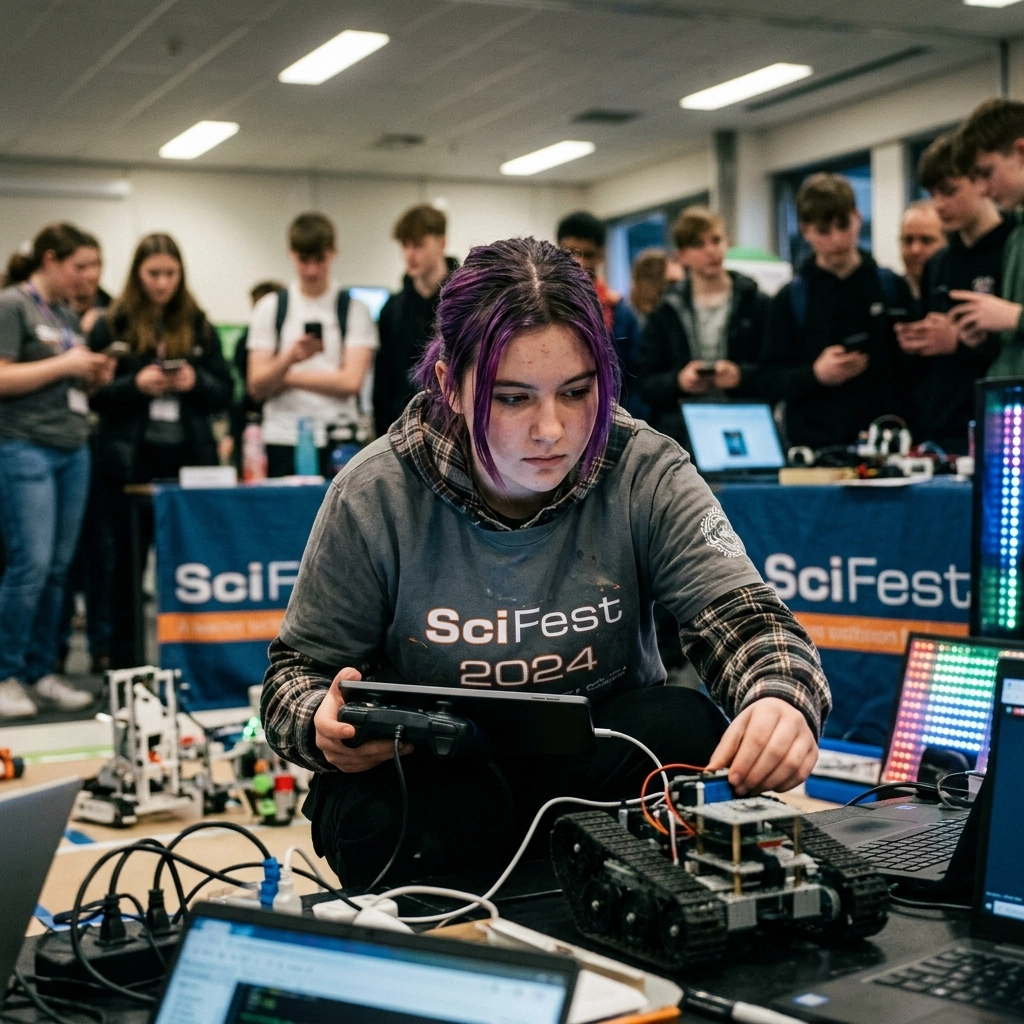
Robot Wars (The Collaborative Version): Instead of smashing each other to bits, these robots were programmed to work together to clear "toxic waste" from a simulated disaster zone. It highlighted the move towards collaborative robotics in the UK manufacturing sector.
-
The Chemistry of Special Effects: Combining the arts with science, this workshop showed how Hollywood uses chemical reactions to create everything from fake blood to cinematic explosions. It was a brilliant reminder that STEM isn't just for labs: it’s for the creative industries too.
-
Sustainable Fashion Lab: One of the untold stories of the festival was the intersection of tech and textiles. Students used sensors and smart fabrics to design clothing that could monitor heart rates or change temperature. It’s a glimpse into a future where our wardrobes are as smart as our phones.
-
AI Art Collective: Pupils used generative AI to create murals based on their vision of the year 2100. The result? A blend of high-tech cities and reclaimed nature. It showed that far from being afraid of AI, this generation views it as a paintbrush.
-
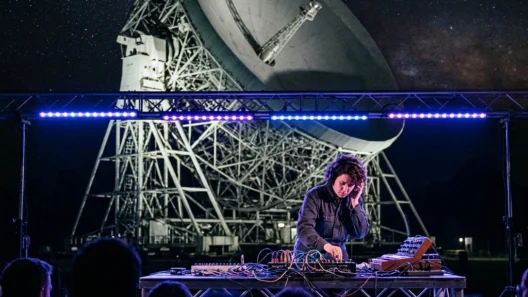
The Sound of Science: Using synthesizers and frequency modulators, students explored the physics of sound. They created a "SciFest Anthem" using nothing but recorded industrial noises from the campus, proving that even a university workshop can have a beat.
-
The Entrepreneurial Pitch: In a "Dragon's Den" style finale, teams had to pitch a tech solution to a real-world problem. The winner? An app designed to help elderly neighbours coordinate grocery deliveries with local students. Tech with a heart: that’s the teen spirit we’re talking about.
Building a Legacy Beyond the Classroom Walls
The impact of SciFest doesn't end when the coaches pull away from the University of Wolverhampton. The real untold stories are the ones that will be written in five or ten years' time when these pupils enter the workforce. The UK tech sector is often portrayed as a closed shop, reserved for those with specific backgrounds. SciFest kicks those doors wide open.
Events like this are crucial for maintaining the UK’s position as a global leader in innovation. When we talk about "independent news uk" perspectives, we must look at how we are nurturing our internal talent. These 1,000 pupils represent a massive untapped resource of creativity and problem-solving. By providing them with a platform like SciFest, the university is essentially seeding the clouds for a future rain of patents, start-ups, and breakthroughs.
Moreover, the festival addresses the "STEM gap" by making these subjects accessible and, dare we say it, fun. Witty banter between professors and pupils replaced the dry lectures of the past. The students weren't just being told about the future; they were being invited to build it. This sense of agency is the most powerful takeaway. A teenager who realizes they can program a drone or model a city is a teenager who believes they can change the world.
As the sun set over the Wolverhampton campus, the energy didn't dissipate. It just moved. It’s now in the bedrooms and classrooms of 1,000 pupils who are looking at their laptops not just as entertainment devices, but as tools for creation. The untold stories of SciFest are just beginning, and if what we saw this week is any indication, the future of UK tech is going to be a very wild, very bright ride.
The collaboration between local schools and the University of Wolverhampton serves as a blueprint for how the UK can foster a resilient, tech-savvy generation. By investing in these moments of inspiration, we ensure that the next industrial revolution is homegrown. SciFest has proven that when you combine high-level tech with the unbridled spirit of the UK’s youth, the results are nothing short of explosive.
This commitment to STEM education is more than just a curriculum requirement; it is a vital part of our national identity and economic strategy. As we continue to cover the stories that matter, the progress of these young innovators will remain at the forefront of our reporting. The teenagers of today are the architects of tomorrow, and based on the evidence from SciFest, the blueprints are looking excellent.