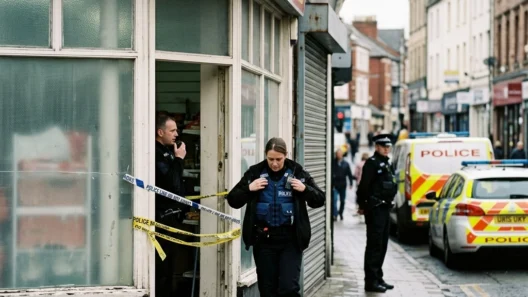
It is often said that the most horrific things happen behind the most ordinary doors. In a quiet, run-of-the-mill housing estate in Glasgow, this old cliché became a devastating reality for years. While neighbours went about their daily lives, mowing lawns and walking dogs, a systematic campaign of abuse was taking place in a property that would later be branded by its victims as the "beasty house." This wasn't a hidden bunker or a remote farmhouse; it was a home in plain sight, nestled within a community where children played in the streets just metres away.
The story of the Glasgow paedophile ring is one that challenges our understanding of community vigilance and highlights the cracks in the systems designed to protect the most vulnerable. It serves as a stark reminder that predators do not always lurk in the shadows; sometimes, they live right next door, blending into the background of suburban life. At NowPWR, we believe in bringing these untold stories to light, providing the kind of independent news UK readers need to understand the complexities of modern crime and societal failure.
The Facade of a Normal Suburban Street
The property at the heart of this case was located in a Glasgow housing estate that, for legal reasons, cannot be named. To any passerby, it looked like any other family home. However, inside, a group of seven individuals: five men and two women: had transformed the residence into a house of horrors. Between October 2018 and June 2019, at the very least, this group operated with a level of depravity that is difficult to comprehend. They didn't just hide their crimes; they integrated them into a lifestyle of drug abuse and chaotic domesticity that managed to deflect the wrong kind of attention.
Neighbours did notice that something was off, but the signs were misinterpreted. There was a "horrible stench" emanating from the property, and suspicious activity was frequently noted at the back door. However, in an area where drug use was a known issue, many residents assumed the house was simply a drugs den. They suspected heroin and crack cocaine were being sold and used, which was true, but they didn't realise that the drug activity was a tool for a much darker purpose. The ring used these substances to control their victims, plying children with alcohol and cocaine to make them more compliant or to dull their senses during the abuse.
The presence of women in the group added a layer of perceived "normalcy" that likely helped the ring evade detection. We often have a societal bias that associates child abuse exclusively with men, but in this case, the two women involved were just as active and cruel. They didn't just fail to protect the children; they clapped, cheered, and filmed the attacks. This level of female participation is one of the most disturbing aspects of these untold stories, as it bypasses the natural "red flags" that might otherwise alert a community or authorities to a dangerous environment.
Why the System Failed to Protect the Vulnerable
When we look at systemic failures, we have to ask how such a large group could operate for so long without intervention. The Glasgow ring held organised "child rape nights," a term that highlights the planned, ritualistic nature of their crimes. Victims were subjected to unimaginable violence, including being placed in microwaves, forced to eat dog food, and even hung by their clothes from nails in the walls. These are not crimes that happen quietly. The level of noise and the constant flow of people in and out of the house should have triggered a more robust response.
Part of the issue lies in how we categorise "problem properties." When a house is flagged for drug activity, it often enters a different stream of law enforcement and social service monitoring. If the focus is purely on narcotics, the welfare of children inside can sometimes be overlooked or secondary to the criminal investigation of the drugs themselves. You can read more about the complexities of how drug networks and domestic abuse often intertwine in our report on inside the UK’s massive county lines crackdown. In the Glasgow case, the "drugs den" label acted as a smoke screen, masking the systematic sexual exploitation occurring within.
Furthermore, the victims were often already vulnerable, making them easier to isolate. The ring used a combination of physical restraint, chemical control, and psychological terror to ensure silence. When children are told that no one will believe them: or when they are forced to perform sex acts on each other while being filmed: the shame and trauma become powerful tools of incarceration. As an independent news UK platform, we have a duty to highlight that systemic failure isn't just about a lack of police officers; it’s about a lack of integrated communication between housing authorities, social services, and law enforcement. We adhere to strict editorial standards and ethics to ensure these failures are discussed with the gravity they deserve.
A Long Road to Justice and Lasting Consequences
The bubble finally burst in late 2019, leading to a two-month trial that concluded in November 2023. The evidence presented was so harrowing that it left a lasting impact on everyone in the courtroom. The seven members of the ring were eventually found guilty of a litany of charges, including rape, sexual assault, and attempted murder. The sentences handed down reflected the severity of the crimes, ranging from 8 to 20 years. Crucially, all seven were given lifelong restriction orders, meaning they will be under state supervision for the rest of their lives, even if they are eventually released from prison.
The sentencing was a victory for justice, but for the survivors, the road to recovery is much longer. The physical and psychological scars of being hung from a nail or forced to consume dog food do not heal simply because a judge passes a sentence. The Glasgow case has forced a conversation in Scotland about how "hidden" abuse can be better identified in residential areas. It has also raised questions about the vetting of tenants in social housing and the power of neighbours to report welfare concerns without fear of reprisal.
This case serves as a grim milestone in Glasgow's history. It is a reminder that community safety is a collective responsibility. While the "beasty house" is no longer a site of active trauma, the memory of what happened there remains a scar on the estate. The fact that such a ring could operate in plain sight for years is a wake-up call for every urban community in the UK. It highlights the necessity of looking beyond the surface and questioning the "suspicious activity" we often ignore because we don't want to get involved or because we think we know what's happening.
Justice was served, but the "secret" of the Glasgow ring should never have stayed secret for as long as it did. By continuing to share these stories, we hope to foster a more vigilant and protective society where the "ordinary doors" of our streets truly lead to safe homes. For more in-depth coverage of the issues affecting our communities, continue to follow our updates on the UK's legal and social landscape.
The legal proceedings and the subsequent fallout from this case continue to influence policy and community safety initiatives across the country. It remains one of the most significant examples of how organised crime can adapt to suburban environments, using the mundanity of everyday life as a shield for the most extreme forms of human cruelty. The bravery of the survivors who came forward to testify cannot be overstated, as their voices were the key to finally dismantling the ring and ensuring that no other children would suffer within the walls of that Glasgow home.