



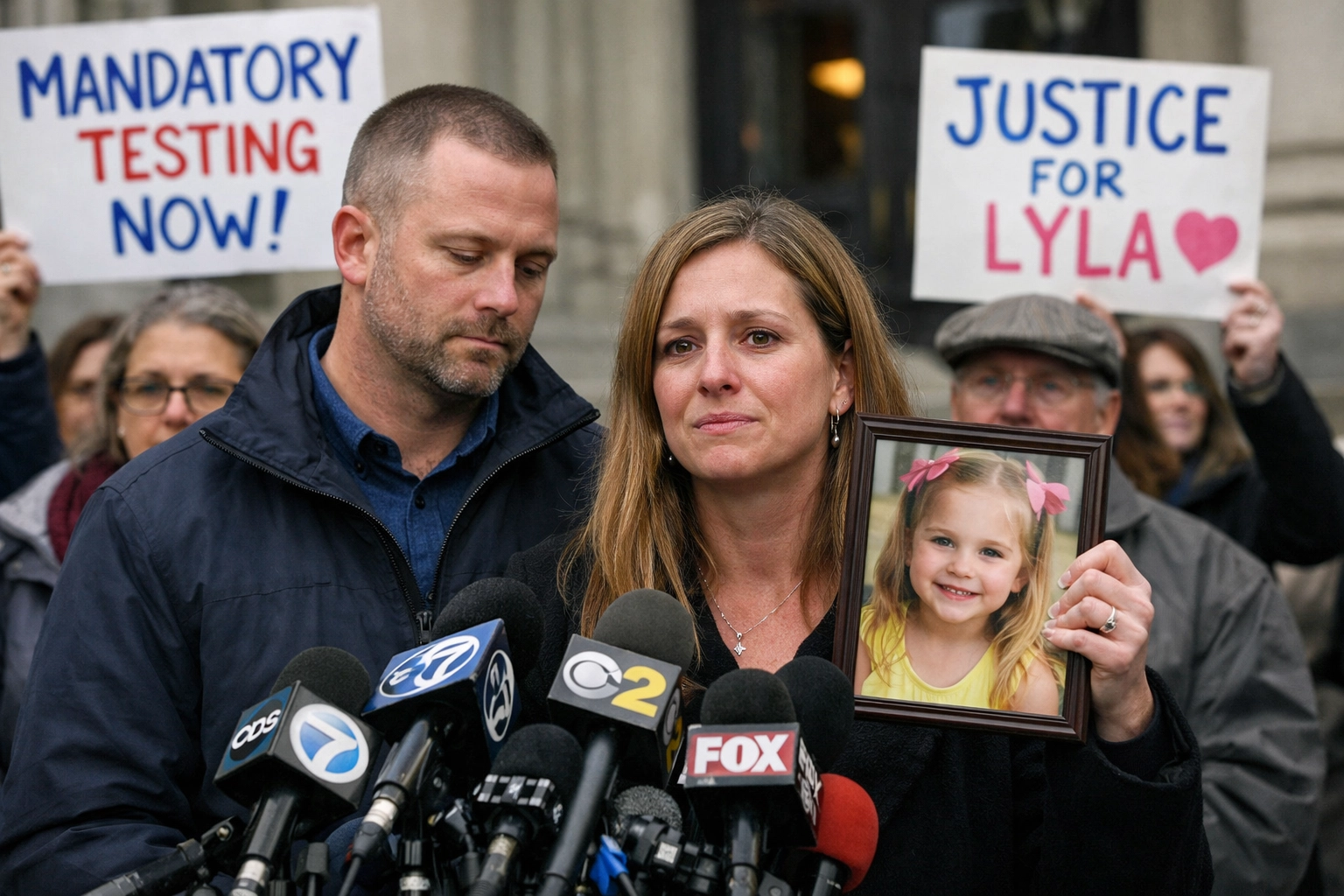
In May 2025, a two-year-old girl named Lyla Story died less than 24 hours after being diagnosed with acute tonsillitis. The cause of death was not a throat infection, but a massive failure to identify the onset of Type 1 diabetes. Lyla passed away from diabetic ketoacidosis (DKA), a life-threatening complication that occurs when the body lacks enough insulin to allow blood sugar into cells for use as energy. Since that moment, her parents, John and Briony Story, have spearheaded a campaign known as Lyla’s Law. They are demanding that the UK medical system implement mandatory, routine blood or urine testing for children who present with common symptoms associated with the condition.
The case has sent shockwaves through the UK’s medical community and highlighted a significant gap in primary care diagnostics. At the time of her attempted resuscitation, Lyla’s HbA1c level: a measure of average blood sugar over several months: was 89 mmol/mol. For context, a normal range is typically below 42 mmol/mol. Her ketone levels were recorded at 6.0 mmol/l, which is ten times higher than the acceptable threshold. Despite these staggering figures, the symptoms she exhibited in the days leading up to her death were attributed to a routine childhood illness by her General Practitioner (GP).
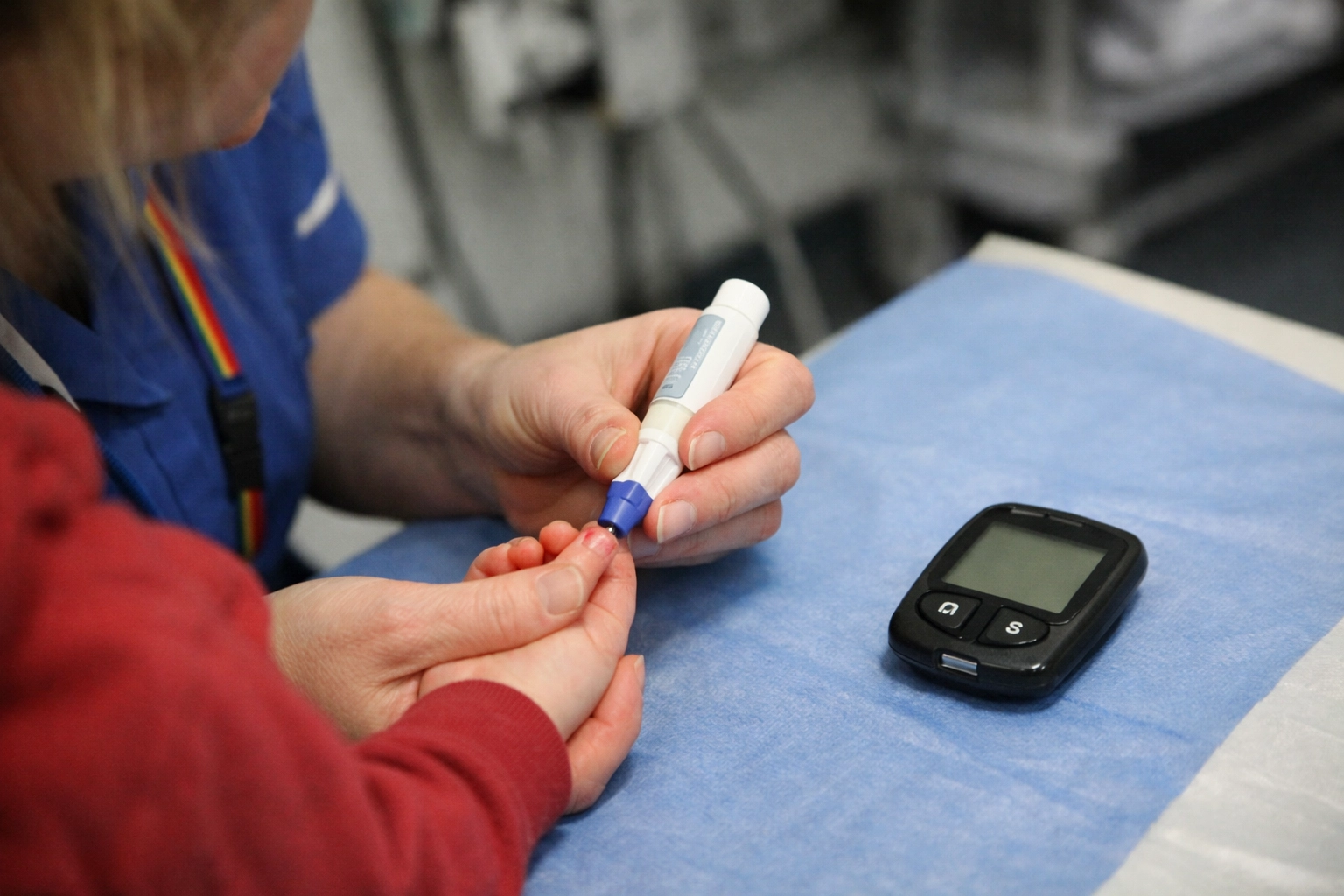
The Lyla’s Law campaign is not just a personal quest for justice; it is a movement aimed at systemic reform within the NHS. The family argues that a simple finger-prick test, which costs pence and takes seconds to perform, would have likely saved their daughter's life. Instead, Lyla became one of the approximately ten children in the UK who die every year due to preventable complications from undiagnosed Type 1 diabetes.
The Four Ts and the Hidden Danger of DKA
The core of the Lyla’s Law campaign revolves around the "Four Ts," a set of classic early warning signs for Type 1 diabetes that are frequently overlooked or misinterpreted in clinical settings. These include Toilet (frequent urination), Thirsty (increased thirst), Tired (extreme lethargy), and Thinner (unexplained weight loss). Lyla’s mother reported that her daughter had exhibited almost all of these signs. She had been vomiting, was excessively tired, and had lost a noticeable amount of weight. Yet, when they sought medical help, the focus remained on her throat rather than her underlying metabolic state.
When Type 1 diabetes goes undiagnosed, the body begins to break down fat for fuel at an unsustainable rate. This process produces ketones, which are acidic chemicals that build up in the blood. When levels become too high, the blood becomes acidic, leading to DKA. DKA is a medical emergency that can lead to cerebral oedema, coma, and death if not treated with intravenous fluids and insulin in a hospital setting. The tragedy of Lyla’s case is that DKA is entirely avoidable if the diabetes is caught early through routine screening.
Data suggests that the problem of late diagnosis is widespread across the UK. There are currently more than 42,000 children and young people living with Type 1 diabetes in the country. Statistics indicate that approximately 25% of children are already in DKA by the time they are diagnosed. In many cases, parents have visited a GP multiple times before the correct diagnosis is made. John Story noted that since launching the campaign, he has received over 200 messages from families with similar stories. Only two of those families reported that their child was correctly diagnosed during their initial GP consultation.
The campaign argues that the medical profession must move beyond "awareness" and into "mandatory action." Currently, clinical guidelines suggest testing for diabetes when symptoms are present, but it is not a compulsory requirement of the initial assessment. Lyla’s Law seeks to change this, making a blood glucose or ketone test a non-negotiable step for any child presenting with the Four Ts or related gastrointestinal issues like vomiting and abdominal pain.
A Preventable Tragedy and the Letter of Concern
Following Lyla’s death, a coroner’s inquest was held to determine the circumstances of her passing. While the coroner ultimately ruled the death as natural causes, the findings were accompanied by a rare and significant formal Letter of Concern. This letter was sent to the Royal College of General Practitioners (RCGP) and the Royal College of Paediatrics and Child Health (RCPCH). It urged both institutions to adopt a wider approach to education regarding the presentation of diabetes in young children.
The coroner’s intervention highlights the legal and professional scrutiny now facing the NHS’s diagnostic protocols. The Letter of Concern suggested that there is a recurring failure to consider Type 1 diabetes as a differential diagnosis when children are unwell. Because symptoms like vomiting and lethargy are common in many minor childhood infections, clinicians often default to more common diagnoses, such as viral infections or tonsillitis, without performing the simple tests that would rule out more serious conditions.

For the Story family, the coroner’s report was a bittersweet validation. It acknowledged that the system had failed to recognize the severity of Lyla’s condition, but it did not provide the immediate legislative change they seek. The campaign for Lyla’s Law has since moved into the political arena. A petition launched by the family to trigger a parliamentary debate on mandatory testing garnered thousands of signatures within weeks, reflecting a broad public consensus that the current diagnostic "safety net" is insufficient.
The proposed legislation would require that any child presenting to a primary care clinician with any of the Four Ts must be given a point-of-care test. This could be a finger-prick blood glucose test or a urine dipstick test. Both are inexpensive and provide near-instant results. The campaign argues that the cost of these tests is negligible compared to the extreme financial burden of treating a child in intensive care for DKA, not to mention the immeasurable human cost of a child’s death.
The "hopeful" aspect of the campaign lies in the potential for rapid change. Unlike many medical advancements that require decades of research or expensive new technology, the solution here already exists in every GP surgery in the country. The equipment is there; the only thing missing is a protocol that ensures it is used consistently. By formalising this as "Lyla’s Law," the family hopes to ensure that no other parent has to witness their child’s health deteriorate rapidly while being told it is "just a bug."
Policy Barriers and the Future of Paediatric Screening
Despite the clear emotional and clinical arguments presented by the Story family, the campaign has met with some resistance from government and health officials. In a formal response to the petition, the Department of Health and Social Care stated that while they recognise the importance of early diagnosis, there is currently "insufficient evidence" to support making routine testing mandatory for every child with those symptoms. The government’s stance is that existing clinical guidelines are sufficient and that the focus should remain on better training for GPs.
NHS England has pointed to the complexity of mandating specific clinical actions, suggesting that it could lead to an "over-medicalisation" of minor illnesses or create an unnecessary burden on GP surgeries. However, advocates for Lyla’s Law point out that a finger-prick test is less invasive and faster than many of the examinations already performed during a standard consultation. They argue that the "insufficient evidence" claim ignores the high rate of DKA at diagnosis and the lived experiences of hundreds of families across the UK.
The debate highlights a tension between top-down health policy and the realities of frontline paediatric care. While policymakers look at large-scale data and cost-effectiveness models, families and many clinicians see a clear gap where children are falling through the cracks. The campaign continues to gain momentum, with several high-profile diabetes charities and medical professionals lending their support to the call for more rigorous testing protocols.
Looking forward, the Story family remains committed to achieving a parliamentary debate. They are also working to increase public awareness through charity events and education drives, ensuring that parents know the Four Ts even if their doctors fail to mention them. The goal is to create a culture where parents feel empowered to ask for a "test for Lyla," putting the power of diagnosis directly into the hands of those who know the child best.
The legacy of Lyla Story is now inextricably linked to the future of diabetes care in the UK. Whether through a formal change in the law or a shift in the standard of care adopted by the Royal Colleges, the pressure for routine testing is unlikely to dissipate. The campaign serves as a stark reminder that in the world of modern medicine, sometimes the simplest interventions: a single drop of blood or a urine sample: are the most vital in preventing tragedy. The fight for Lyla’s Law continues, driven by the hope that early detection will eventually become the rule, rather than the exception.