








It was a cold, foggy Saturday in Coventry. The date was 14 December 1991, a time when the city was gearing up for Christmas. For 18-year-old Nicola Payne, it should have been a day like any other. She was a young mother with a seven-month-old son, and she had every reason to look forward to the future. But when she set off on a short, ten-minute walk from her boyfriend’s house to her parents' home, she stepped into a mystery that would remain unsolved for over three decades.
Nicola’s disappearance is one of the most enduring and painful cold cases in British history. Despite being the subject of the largest and most expensive investigation ever conducted by the West Midlands Police, the truth of what happened on that misty afternoon remains elusive. In the world of independent news uk, we often find that untold stories like Nicola’s are the ones that resonate most deeply with local communities, serving as a reminder of the fragility of safety and the persistence of a family’s love.
The Ten-Minute Journey That Never Ended
Nicola left her boyfriend’s house in Winston Avenue at around 12:15 pm. Her destination was her parents’ house in Woodway Close, a walk that took her across a patch of land known locally as the "black pad." This area was a series of pathways and fields that served as a shortcut between residential streets. To anyone living in the area, it was a routine route. To Nicola, it was just a few hundred yards of familiar ground. She was wearing a purple leather jacket, a fine-knit jumper, and blue jeans: clothing that would later be described in countless missing person posters.
When she failed to arrive at her parents' house, the alarm was raised almost immediately. Nicola was incredibly close with her family and was a devoted mother; it was entirely out of character for her to vanish. Within hours, the community and the police began a search that would eventually span decades. The initial investigation was massive. Officers combed through the undergrowth of the black pad, divers searched local canals and lakes, and hundreds of statements were taken. Yet, despite the intensity of the search, no physical trace of Nicola was found in those early days.
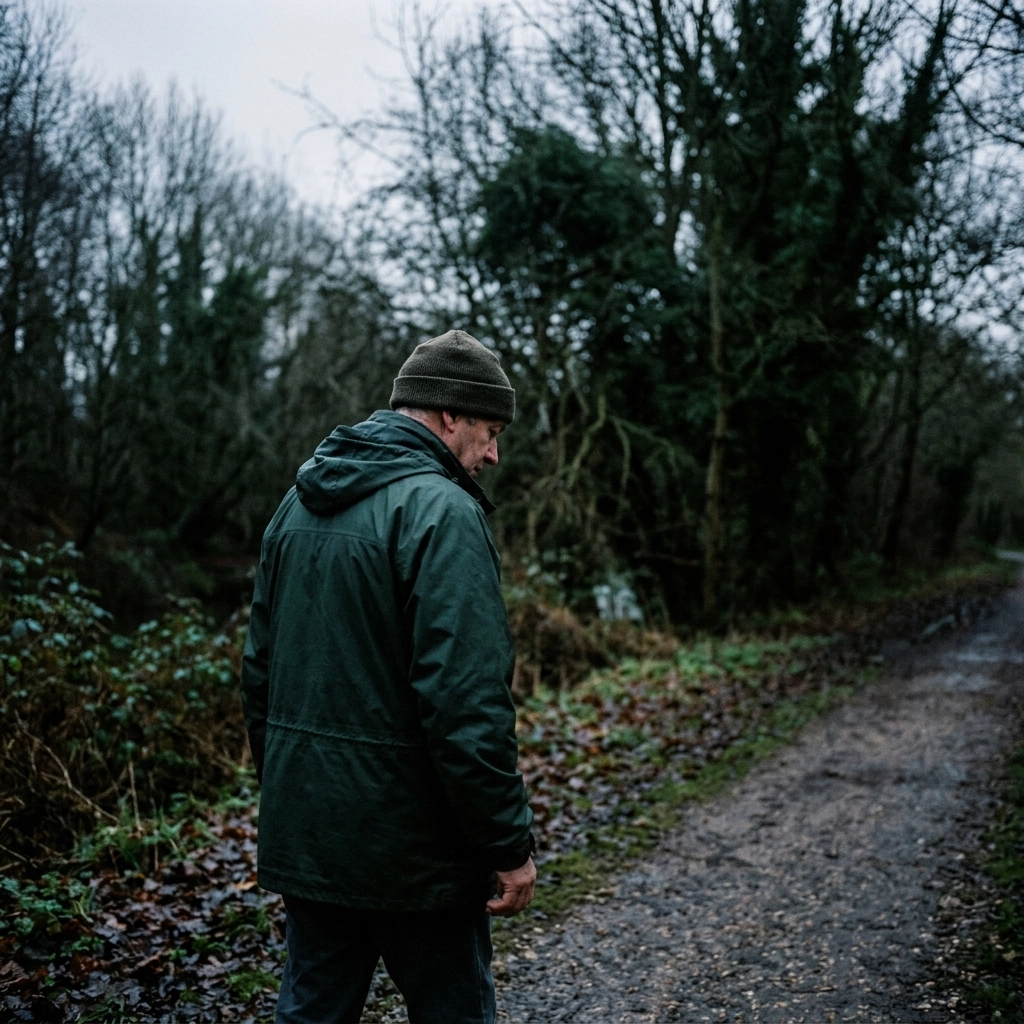
The "black pad" itself became a site of haunting significance. In the 1990s, before the prevalence of mobile phones and widespread CCTV, a person could disappear in a matter of minutes if they were in the wrong place at the wrong time. For the people of Coventry, the realization that a young woman could vanish in broad daylight on a familiar path was chilling. It changed the way people moved through their own neighbourhoods. The silence that followed her disappearance was deafening, leaving her parents, John and Marilyn, and her four brothers in a state of perpetual limbo.
Decades of Leads and Legal Dead Ends
As the years turned into decades, the investigation into Nicola’s disappearance saw numerous false dawns. The case was never truly closed, and every few years, a new tip or a fresh forensic lead would bring Nicola’s face back to the front pages. The Payne family remained tireless, working with independent news uk outlets and local campaigners to ensure that Nicola was never forgotten. They turned their grief into a relentless quest for the truth, even as the "untold stories" of potential witnesses began to emerge and then fade away.
A major turning point seemed to arrive in 2015. Advanced forensic techniques, which didn't exist in 1991, were applied to items recovered during the original investigation. Specifically, a tent bag found near the scene was found to have traces of DNA that investigators linked to two men who had been suspects early on. This breakthrough led to a high-profile trial at Birmingham Crown Court. For a brief moment, it looked as though the family might finally receive the justice they had sought for 24 years.
However, the trial ended in heartbreak. The defence successfully argued that the forensic evidence had been contaminated during the decades it spent in police storage. The two men were acquitted, leaving the courtroom as free men while the Payne family left with more questions than answers. This moment highlighted the immense difficulty of prosecuting cold cases where the physical evidence has aged and the chain of custody has been challenged. The acquittal was a devastating blow, yet it did not stop the search. If anything, it solidified the community’s resolve to find Nicola’s remains and give her a proper burial.
The Search for Truth in the Modern Day
In recent years, the investigation has shifted focus. While the legal system reached a stalemate in 2015, investigative journalism and private efforts have continued to probe the dark corners of the case. In 2018, specialist investigators and documentary filmmakers began a pro bono reinvestigation, bringing fresh eyes to the files. This work uncovered new information, including alleged confessions made by individuals in the years following the disappearance. It also led to renewed searches in areas like Coombes Wood, where teams used ground-penetrating radar and specialist search dogs.
The impact of Nicola’s disappearance on her son, who is now a grown man, is a poignant element of this story. He grew up knowing his mother only through photographs and the stories told by his grandparents. The Payne family has always maintained that someone in Coventry knows exactly what happened that day. They believe that the passage of time might eventually loosen the tongues of those who have kept secrets for thirty-five years. Whether through a change in loyalties or a burden of conscience, the hope is that one day, a final piece of information will lead the police to Nicola.
Today, Nicola Payne is more than just a name in a police file; she is a symbol of a family’s endurance. Her parents have since passed away without ever knowing what happened to their daughter, a fact that adds a layer of profound sadness to the case. However, her brothers continue the fight. They represent the "untold stories" of the siblings left behind, the children who grew up in the shadow of a tragedy. The mystery of the "black pad" remains a scar on the map of Coventry, but the memory of Nicola Payne continues to burn bright, fuelled by a community that refuses to look away until she is brought home.
The case of Nicola Payne serves as a stark reminder of the complexities involved in long-term missing person investigations. It highlights the importance of preserving forensic integrity and the vital role that public awareness plays in cold cases. While the legal proceedings of the past may have ended in acquittal, the investigation into her whereabouts is far from over. As long as there are people willing to speak up and investigators willing to look at the evidence with fresh eyes, there remains a chance that this decades-old haunting of Coventry will finally find its resolution.