Romance fraud is often talked about in cold numbers, but the real story sits with the people left picking through the damage. Victims are not just losing money. They are losing trust, confidence, stability and, in some cases, years of their lives. For readers looking for independent news uk and untold stories, this is one of the clearest examples of how a deeply personal crime can still be mishandled by the systems meant to respond to it.
Cases involving victims such as Carolyn Woods have brought that failure into sharp focus. Her story, and the stories of many others, point to a pattern that is hard to ignore: people report detailed evidence, explain how they were manipulated, and still come away feeling dismissed rather than helped. The fraud itself is cruel enough. What follows can be just as draining.
The Human Cost Behind Romance Fraud
Romance scams work by building emotional dependence before the financial requests begin. That is exactly why the damage runs so deep. Victims are not simply tricked by a fake message or a dodgy payment link. They are drawn into relationships that feel real, often over weeks or months, and are deliberately targeted at moments of loneliness, grief or vulnerability.
Carolyn Woods’ experience has become one of the most recognisable examples because it shows how convincing these scams can be. She believed she was in a genuine relationship and was manipulated into sending large sums of money. Like many victims, she was not careless or naïve. She was deceived by a criminal operation designed to exploit trust. That distinction matters, because public conversation still too often slips into blame rather than understanding.
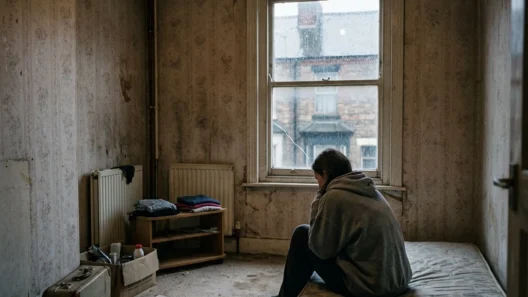
Across the UK, victims describe the same aftermath: shame, anxiety, debt and a sense that their lives have been split into a before and after. Some lose savings. Some borrow from family. Some are left dealing with the emotional fallout in silence because admitting what happened feels unbearable. These are untold stories not because they are rare, but because many people still feel too embarrassed to speak openly.
Where Action Fraud Is Falling Short
For many victims, the next disappointment comes after they report the crime. Action Fraud is supposed to be the national reporting route for fraud and cyber crime, yet repeated complaints suggest the process can feel remote, slow and confusing. People submit evidence, messages, bank details and timelines, then often receive little more than automated updates or notice that their case will not be taken further.
That gap between reporting and meaningful action is central to the frustration. Victims are frequently left unsure whether anyone has properly reviewed the evidence or whether patterns between cases are being joined up. In crimes like romance fraud, where offenders may target multiple people using similar scripts, photos and payment methods, that lack of visible follow-through raises serious questions.
The problem is not only about case outcomes. It is also about how victims are treated in the process. When someone has already been manipulated emotionally, a system that feels impersonal can deepen the harm. Several campaigners and victims have argued that fraud reporting in the UK still does not reflect the psychological reality of these crimes. If the response is mostly administrative, many people will continue to feel that justice is out of reach.
Why Victims Need More Than a Reference Number
A better response would start with recognising romance fraud as both a financial and emotional crime. Victims need clear communication, trauma-aware handling and a stronger sense that their evidence may lead somewhere. They also need authorities to be better equipped to track repeat patterns, work with banks and online platforms more effectively, and explain decisions in plain English rather than generic wording.
There is also a wider issue around confidence. If people believe reporting leads nowhere, some will stop reporting altogether. That creates a damaging cycle: fewer reports, less visibility, and less pressure for reform. For a country that takes fraud seriously on paper, that is not good enough in practice.
The stories of victims like Carolyn Woods show why this issue deserves more than passing attention. Romance scams are not niche online mishaps. They are organised, manipulative crimes that leave lasting scars, and the response has too often failed to match the scale of that harm. Until reporting systems become more responsive, transparent and victim-focused, many people will continue to feel that justice remains painfully out of reach.