When we think of Scotland, images of rolling highlands or the historic architecture of the Royal Mile often come to mind. But beneath that picturesque surface, a darker narrative is unfolding on the streets of Glasgow and Edinburgh. It is a story of power, betrayal, and a decades-long conflict that has recently exploded into what many are calling an all-out turf war. At NowPWR, we believe in bringing you independent news uk readers can rely on to uncover the untold stories that bigger headlines often glide past.
The current situation is far from a simple playground scuffle. It is a sophisticated, brutal, and increasingly volatile struggle for dominance between rival crime syndicates. These groups, often dubbed ‘wannabe’ mafias due to their obsession with Italian-style hierarchies and designer branding, have turned residential streets into tactical battlegrounds. What started as a dispute over drug territory in the 1990s has evolved into a modern conflict involving international fugitives, digital surveillance, and high-stakes firebombings.
The escalation has been sharp and unforgiving. While the violence was once contained within specific neighbourhoods, it has now spilled into the broader public consciousness. High-end salons have been torched, family homes targeted, and the sound of gunfire has returned to cities that were supposed to have moved past their "No Mean City" reputation. To understand where we are going, we first have to look back at the origins of this bitter rivalry.
The Roots of a Multigenerational Feud
The heart of the conflict lies in the long-standing rivalry between two of Scotland's most notorious criminal dynasties: the Lyons and the Daniel families. Both groups rose to prominence in the 1990s, capitalizing on a drug market in Glasgow that was estimated to be worth hundreds of millions of pounds. Jamie Daniel, a former scrap metal dealer turned heroin kingpin, built an empire that was as efficient as it was ruthless. On the other side, the Lyons family emerged as formidable challengers, leading to a friction that would eventually ignite the entire country.
The spark that set the underworld ablaze occurred in 2001. In the Glasgow suburb of Milton, members of the Lyons crew reportedly stole a five-figure consignment of cocaine from the Daniel family. In the world of organised crime, such a move is never forgotten and rarely forgiven. It wasn't just about the money; it was about the perceived lack of respect. This theft triggered a cycle of retaliatory violence that has persisted for over twenty years, involving shootings at MoT garages and high-profile assassinations.
By 2020, just as the world was shutting down due to the pandemic, the Scottish underworld was heating up. A massive cocaine shipment bust at the English coast disrupted the supply chain, creating a vacuum and heightened tensions. This loss of product acted as a catalyst, reigniting old grudges. As the "wannabe" elements of these gangs grew, so did their desire for public displays of power. It was no longer enough to control the streets; they wanted to be seen as untouchable figures, often mimicking the aesthetics of the continental mafias they so admired.
How the Conflict Looks Now
In 2026, the nature of gang warfare has changed. The battlefield isn't just an alleyway in Leith or a scheme in North Glasgow; it extends thousands of miles away to the luxury villas of Dubai. Looking closely at these untold stories reveals a grim trend: the "remote control" gangster. High-level players, seeking to evade the reach of Scottish law enforcement, have relocated to the Middle East, directing hits and firebombings via encrypted messaging apps.
A primary example of this is the ongoing targeting of associates linked to Mark Richardson, a major Edinburgh-based drug kingpin currently serving time in prison. Despite being behind bars, Richardson remains a central figure in the conflict. A fugitive former Rangers Ultra, currently based in Dubai, is believed to be the mastermind behind a recent string of attacks against Richardson’s network. This individual is reportedly seeking revenge over a failed drug deal, proving that distance is no barrier to the reach of a Scottish vendetta.
The "wannabe" label comes from the way these modern criminals present themselves. Unlike the old-school gangsters who preferred the shadows, this new generation thrives on a certain level of notoriety. They wear their allegiances like a uniform: often Stone Island or other high-end tactical gear: and use social media to taunt their rivals. This digital posturing has real-world consequences. When a "diss" track is posted on YouTube or a mocking photo appears on Instagram, the response is often a petrol bomb through a front door or a drive-by shooting. The "wannabe" mafia isn't just about crime; it's about the brand.
The Cost for Local Communities
While the gangs focus on their internal power struggles, the people caught in the middle are the ordinary residents of Scotland’s major cities. The violence has become increasingly indiscriminate. In Edinburgh, the Bell Shio Salon on Albert Street: linked to Richardson’s partner: was the target of a devastating firebombing. Other properties, including those where elderly relatives of gang associates live, have also been torched. This shift from targeting active "soldiers" to targeting family members and businesses marks a dangerous new low in the conflict.
The police response has been significant, with armed raids becoming a common sight in areas like Milton Road East. However, law enforcement faces a massive challenge. When the leaders of these organizations are operating from international hubs, and the "boots on the ground" are often young, vulnerable individuals recruited through social media, traditional policing methods struggle to keep pace. These young recruits are often lured in by the promise of the "mafia" lifestyle: fast cars, designer clothes, and a sense of belonging: only to find themselves facing life sentences or becoming victims of violence themselves.
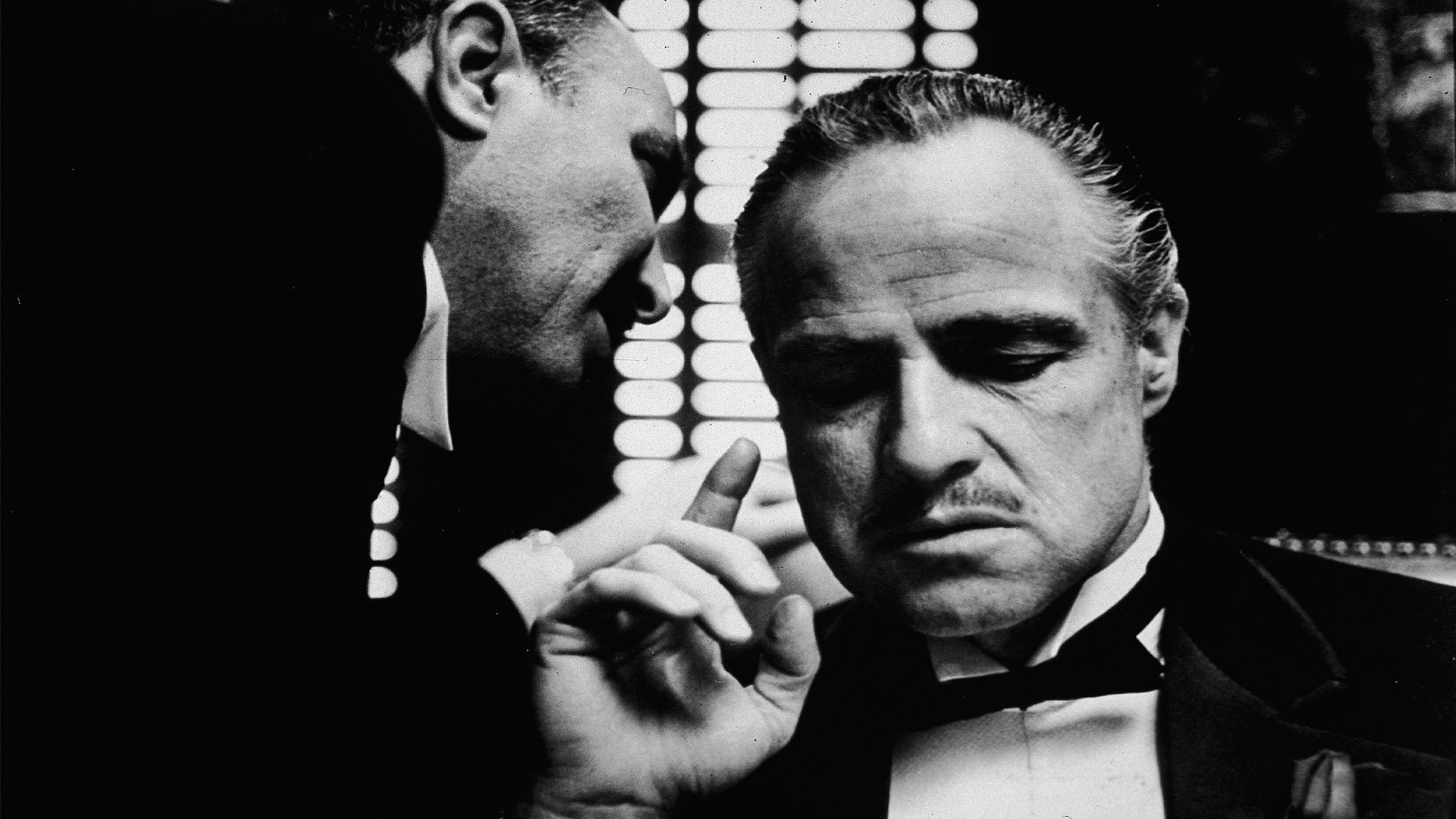
This turf war has created a climate of fear that extends beyond the criminal underworld. Local businesses worry about being targeted simply by association, and parents are increasingly concerned about the influence these "wannabe" figures have on young people. The reality is a long way from the glamorous life portrayed in films. It is a cycle of misery that feeds on the disenfranchisement of urban communities, where the only way to "make it" can appear to be through the ranks of an organised crime family.
The rise of these "wannabe" mafias in Scotland represents a complex blend of old-school grudges and modern technology. As the Lyons and Daniels feud enters its third decade, and new players enter the fray from the safety of Dubai, the pressure on local authorities to provide a lasting solution continues to mount. The stories behind these headlines are often hidden, but they reflect a struggle for the soul of Scotland’s streets.
Understanding the dynamics of this conflict is essential for anyone following independent news uk and the untold stories shaping communities behind the scenes. The escalation from petty theft to international conspiracies highlights the evolving nature of crime in the 21st century. As long as the demand for illicit goods remains and the allure of the "gangster" lifestyle is promoted through digital channels, the turf war in Scotland is likely to remain a volatile and ever-changing front in the world of organised crime.
In the end, this is not just a story about rival names and underworld status. It is also about the lasting damage done to neighbourhoods, families and public trust.