Hey everyone, Mark here. You know, sometimes the past has a funny, or perhaps a very serious, way of catching up with the present. Over at NowPWR, we’re always looking for those untold stories that slip through the cracks of the 24-hour news cycle. Today, we’re looking at a case that’s been cold for two decades, a story that sounds like something straight out of a spy novel, but was very much a reality for those involved in Irish politics in the mid-2000s.
It’s been twenty years since the world was rocked by the murder of Denis Donaldson, a man whose life was a complex web of secrets and double-crossing. But this week, a major breakthrough happened. A man named Antoin Duffy has been charged with his murder, following an extradition from Scotland. It’s a huge moment for independent news uk followers and anyone interested in the long, winding road to justice in post-conflict Ireland.
The Spy Who Came in From the Cold
To understand why this charge is such a big deal, we have to go back to 2005. At the time, Denis Donaldson was a big name in Sinn Fein. He was a close associate of the party leadership and an administrator for their team at the Stormont Assembly. But in December of that year, he dropped a bombshell that sent shockwaves through the political landscape: he had been a paid informant for the British security services, specifically MI5 and the police Special Branch, for over twenty years.
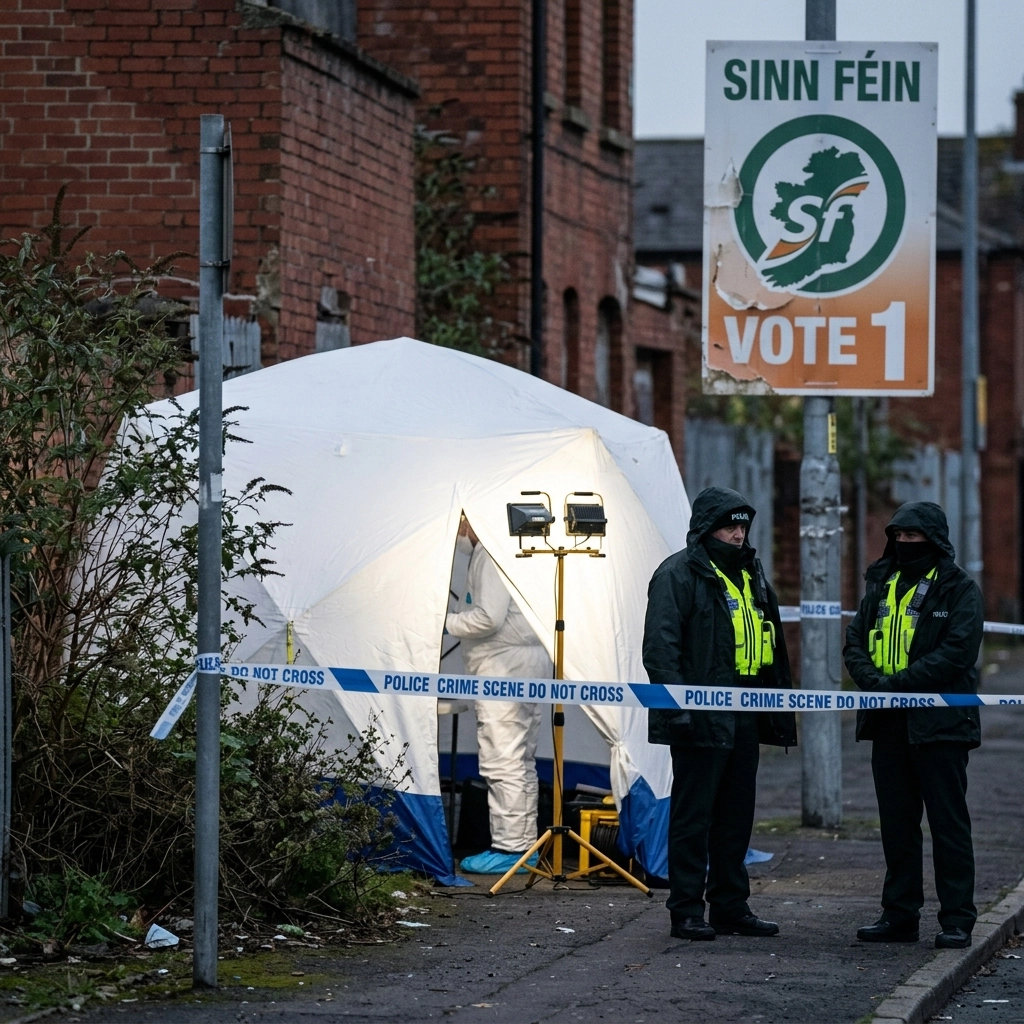
Following his public confession, Donaldson retreated to a remote, rustic cottage in Co Donegal, Ireland. It was a place with no running water and no electricity, a stark contrast to the high-stakes political world he’d just exited. He was trying to live a quiet life, or perhaps hide away from the inevitable fallout of his revelation. Unfortunately, that peace didn't last long. In April 2006, his body was found in that cottage. He had been shot dead.
For years, the case sat on the shelf. While the Real IRA claimed responsibility for the killing back in 2009, no one was actually brought to court for the murder itself until now. It’s one of those cases that many people thought would remain unsolved forever. We often talk about how time can bury the truth, but as we’ve seen in other instances of justice denied, the legal system has a long memory. The fact that we’re seeing a charge in 2026 for a crime committed in 2006 is a testament to the persistence of the investigators involved.
A Dramatic Extradition and the Charges
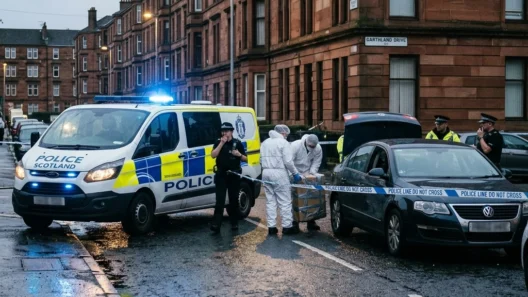
So, what’s actually happening now? Antoin Duffy, a man in his 40s, was recently brought from Scotland to Dublin on the back of a European Arrest Warrant. He appeared before the non-jury Special Criminal Court, which is where high-profile cases related to paramilitary activity are often handled in Ireland.
Duffy isn’t just facing one charge, either. He’s been charged with the murder of Denis Donaldson at Cloghercor, Doochary, between April 3 and 4, 2006. On top of that, he’s facing charges for possession of a shotgun and ammunition with the intent to endanger life. And if that wasn't enough, the court also heard charges against him regarding an attempted murder of another man in November 2007, also in Co Donegal.
It’s a massive development. For the family of Denis Donaldson, and for the public who have watched this case for twenty years, this is the first real movement toward a legal conclusion. Seeing someone in the dock for a crime that happened when many of today's young voters weren't even born yet is a surreal experience. At NowPWR, we believe in sticking to high editorial standards when reporting on these sensitive historical issues, because the details matter.
The logistics of an extradition like this are always complicated. It involves cooperation between the Scottish authorities and the Gardai (the Irish police). It’s a reminder that even as borders and political climates change, the legal mechanisms for addressing serious crime remain robust. Duffy has been remanded in custody and is set to appear again in April, so this is very much a live story that we’ll be keeping a close eye on.
The Long Shadow of the Past
Why does a twenty-year-old murder charge matter so much today? Well, it’s about more than just one man. It’s about the "untold stories" of a period in history that shaped the modern UK and Ireland. The transition from the Troubles to the peace process was messy, and cases like Donaldson’s are the loose threads that remain.
When we look at the headlines today: whether it's political shifts or local election gambles: we have to remember that today's stability is built on the resolutions of yesterday's conflicts. Solving cold cases is a huge part of the reconciliation process. It provides answers to families and ensures that no one is above the law, no matter how much time has passed.
Donaldson was a man who lived between two worlds: the republican movement and the British intelligence services. His death was a symbol of the lingering tensions of that era. By bringing these cases to court, the justice system is effectively saying that the passage of time doesn't grant immunity. It’s a message that resonates through many of our investigations into wrongful jail probes and other systemic issues.
As we move forward into 2026, we’re likely to see more of these legacy cases coming to the fore. Technology is better, forensics are more advanced, and sometimes, people who were once afraid to speak finally feel they can come forward. This case isn't just a news snippet; it's a piece of history being written in real-time.
It’s a reminder that the world of content creation and independent news uk reporting isn’t just about the latest viral trend. It’s about digging deep and following through on the stories that actually define our society. We’ll be watching the court proceedings in Dublin closely to see how this trial unfolds.
Thanks for sticking with me on this one. It’s a heavy topic, but an important one. We’re committed to bringing you these kinds of deep dives because we know you value the truth as much as we do. Catch you in the next one!