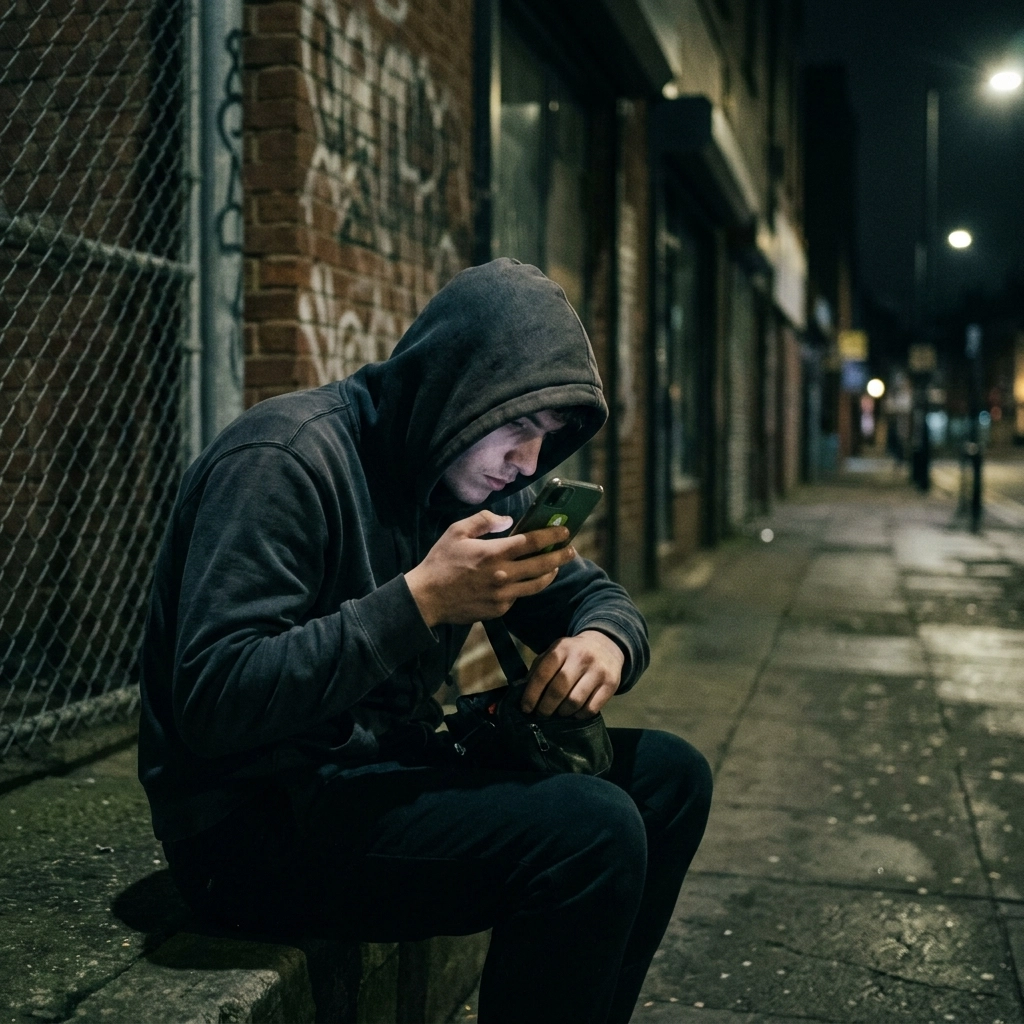
The traditional image of drug dealing often involves dark alleyways and hushed conversations on street corners. However, the modern reality is far cleaner, quieter, and arguably more dangerous. Today, the illicit drug trade has moved into the palms of our hands. Using platforms like Snapchat, Instagram, and TikTok, dealers are reaching a younger, more tech-savvy demographic with an efficiency that was previously unimaginable.
The shift to social media isn't just about convenience; it is about visibility and the illusion of safety. For a teenager sitting in their bedroom, the barrier to entry for purchasing illegal substances has been lowered to the level of ordering a takeaway. The disappearing nature of messages on certain apps provides a false sense of security for both the buyer and the seller, making the digital landscape the new frontier for a public health crisis that is sweeping across the globe.
The Digital Shopfront: Emojis and Disappearing Messages
The mechanics of the modern drug trade rely heavily on the unique features of social media platforms. Snapchat, in particular, is a favourite among dealers due to its "disappearing" messages and stories. A dealer can post a photo of their product to their "Story," where it remains visible for 24 hours before vanishing. This acts as a temporary billboard, reaching hundreds of potential customers without leaving a permanent digital footprint that law enforcement can easily track.
Communication is rarely explicit. Instead, a sophisticated system of coded language and emojis has emerged. This is one of those untold stories that parents and educators are often late to realise. For example, a simple pill emoji might represent a range of substances, but specific combinations carry more weight. A blue circle or a "P" emoji often signifies Percocet, while a "Z" might be used for Xanax. Deception is built into the very grammar of these transactions. Dealers often use common hashtags to find vulnerable individuals, specifically targeting those who post about struggling with anxiety, depression, or school-related stress.
Once a connection is made via a public post or a direct message, the conversation quickly moves to encrypted apps. While the initial contact happens on a mainstream platform, the actual deal is often brokered on Signal or Telegram, where end-to-end encryption makes it nearly impossible for third parties to intercept the messages. This multi-platform approach allows dealers to maintain a "legitimate-looking" presence on major apps while conducting their business in the shadows. Payment is equally streamlined, using one-click apps that make the transfer of funds look no different from splitting a dinner bill with a friend.
The High Cost of Convenience: Fentanyl and Counterfeit Pills
The most terrifying aspect of this digital evolution is the rise of counterfeit pills. In the past, buying drugs was a gamble on purity, but today, it is often a gamble on life itself. The DEA and various health organisations have raised the alarm over fentanyl-laced pills that are designed to look exactly like legitimate prescription medications such as Oxycodone or Adderall. Because these transactions happen through the "friendly" interface of a smartphone, buyers: often young people: underestimate the risk. They believe they are purchasing a pharmaceutical-grade product from a "trusted" digital acquaintance, when in reality, they are receiving a lethal dose of a synthetic opioid.
Statistics show that overdose death rates among teenagers have surged in recent years, a trend heavily linked to the accessibility of drugs online. The national conversation often ignores how deeply these digital networks have penetrated local communities. Dealers are no longer just individuals standing on corners; they are sophisticated operators who analyse customer behaviour, use targeted marketing, and operate with the efficiency of a small business.
The anonymity of the internet allows traffickers to operate across borders with ease. A dealer based in one city can market to students in another, using local couriers or even standard postal services to deliver the goods. This decentralised model makes it incredibly difficult for police to make a significant dent in the supply chain. When one account is flagged and removed, another is created within minutes, often with a slightly different username but the same customer base. The "untold stories" of families devastated by these "one-pill" tragedies highlight a systemic failure to protect the most vulnerable users of social media.
A Game of Cat and Mouse: Regulation and Enforcement Challenges
Platform developers are well aware of the problem, but the scale of the challenge is immense. Snapchat, for instance, has implemented several countermeasures to disrupt the trade. They have developed monitoring software that they claim captures the vast majority of drug-related content before it is even reported. When users search for certain keywords related to narcotics, the app now redirects them to "Heads Up," an educational feature that provides information on the dangers of fentanyl.
However, as enforcement becomes more sophisticated, so do the dealers. It is a constant game of cat and mouse. When an algorithm begins to flag specific emojis or slang terms, the community simply invents new ones. The sheer volume of content: millions of snaps and stories sent every minute: makes manual moderation impossible. Furthermore, there is the ongoing debate regarding privacy versus safety. While many advocate for more aggressive monitoring of private messages to stop illegal activity, others worry about the precedent this sets for digital surveillance.
Law enforcement agencies are also struggling to keep up. Traditional policing methods aren't always effective against a threat that is decentralised and global. It requires a new type of digital forensics and closer cooperation with tech giants. The focus is often on whether the government and these multi-billion-pound companies are doing enough to prevent the loss of life, or if the profit motives of social media engagement are taking precedence over public safety.
The reality is that while technology provides the tools, the root of the issue is often found in the lack of education and support for young people. As long as there is a demand for these substances and a platform that facilitates easy access, the trade will continue to evolve. Understanding the digital landscape is the first step in protecting the next generation from the hidden dangers lurking behind their screens.
The transformation of social media into a marketplace for illegal substances represents a significant shift in how we view both technology and public health. As the lines between our physical and digital lives continue to blur, the responsibility of platforms to police their content becomes more critical. While the convenience of these apps is undeniable, the cost of that convenience is being paid in lives. Addressing this crisis requires a combination of technological innovation, legislative action, and a commitment to telling the untold stories that bring these issues to light. Only through a comprehensive and transparent approach can we hope to dismantle the digital networks that fuel the modern drug trade.