A 16-year-old boy from Coventry has been commended by West Midlands Police after his quick thinking and decisive actions led to the preservation of two lives in separate incidents. Michael Digby, a teenager whose instincts have been praised by local authorities, has become a symbol of community vigilance in the West Midlands.
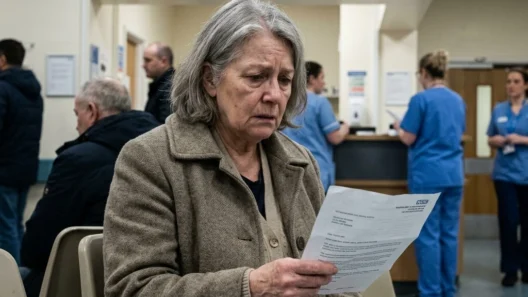
The first incident occurred during a particularly cold night in Coventry when an elderly woman suffering from Alzheimer’s disease was reported missing. The situation was critical, as the woman had wandered away from her home and was vulnerable to the dropping temperatures and the confusion inherent to her condition. Emergency services had been alerted, but the window of time to find her before the onset of hypothermia was narrowing.
Michael Digby was not on duty or part of any official search party when he encountered the woman. He was simply in the right place at the right time, but it was his refusal to ignore a person in distress that made the difference. While others might have passed by, Digby recognised that the woman appeared disoriented and was not dressed appropriately for the freezing conditions.
He approached her with care, ensuring she felt safe while he assessed the situation. Realising she was unable to explain where she lived or how she had come to be in the street, he contacted the police immediately. His intervention ensured that she was returned to her family and received the medical attention required to recover from her ordeal.
A midnight search through the streets of Coventry
The search for missing persons with dementia is a significant challenge for UK police forces. Statistics suggest that the number of people living with dementia in the UK is expected to rise to 1.4 million by 2040. For West Midlands Police, these calls are treated with the highest priority due to the extreme risk to the individual.
In this specific case, the elderly woman had been missing for several hours before Michael spotted her. The darkness of the night and the suburban layout of Coventry made a visual search difficult for patrolling officers. Michael’s decision to stop and engage with the woman bypassed the need for a wider, more resource-intensive search that might have ended in tragedy.
Following the safe return of the woman, Michael’s role was noted by local officers. However, it was not an isolated event of bravery for the teenager. Only a short time later, he found himself in another life-or-death situation that required even more immediate action.
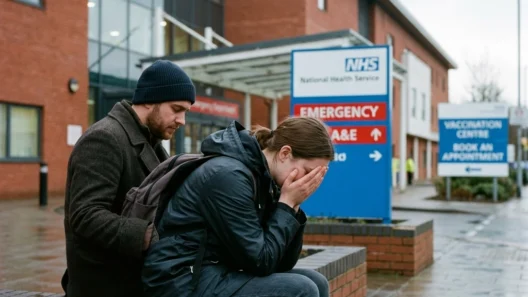
The second incident involved a person in a state of severe emotional distress. While travelling through the city, Michael noticed an individual on a bridge who appeared to be in a life-threatening crisis. The sensitivity of the situation required a calm head and an immediate understanding of the stakes.
Witnesses at the scene noted that Michael did not hesitate. He engaged with the individual, maintaining a dialogue that kept them focused and calm while emergency services were dispatched. The psychological pressure of such an encounter is significant, particularly for a teenager, yet Michael remained on the scene until professional help arrived to take over the intervention.
Crisis on the bridge and a swift response
The incident on the bridge highlighted the growing need for mental health awareness and community support in urban centres. Across the UK, emergency services are increasingly called to intervene in mental health crises. The presence of a bystander willing to offer immediate, compassionate communication can often be the deciding factor in the outcome of such events.
Michael’s actions in this second instance were described by West Midlands Police as "exemplary." The ability to remain composed under the pressure of a potential suicide attempt is a trait rarely seen in someone of school age. His intervention provided the crucial minutes needed for specialist negotiators and medical teams to arrive.
Police reports indicated that without Michael’s presence, the outcome likely would have been fatal. The individual was safely moved from the bridge and provided with the necessary psychiatric support. This marked the second time in a matter of months that the 16-year-old had been the primary factor in saving a life.
The frequency and nature of these rescues brought Michael to the attention of the Chief Constable. While many teenagers are often unfairly categorised by the media, Michael’s story has provided a counter-narrative of youth responsibility and bravery. His actions have been discussed in local community groups and schools as an example of how one person can impact the safety of an entire city.
The West Midlands Police Force has been vocal about the importance of such community spirit. At a time when police resources are stretched, the eyes and ears of the public remain one of the most effective tools for preventing harm. Michael Digby’s situational awareness and willingness to act have set a benchmark for public conduct.
Community recognition for a local hero
In recognition of his extraordinary contributions to public safety, Michael Digby was presented with a Chief Constable’s Young Person’s Award. The ceremony, held at the West Midlands Police headquarters, saw Michael honoured alongside veteran officers and emergency responders. The award is one of the highest honours a civilian can receive from the force, particularly someone of his age.
During the presentation, officials noted that Michael’s actions saved the lives of two people who might otherwise have become tragic statistics. The award serves not only as a personal accolade for Michael but as an inspiration to other young people in Coventry and beyond. It reinforces the idea that age is not a barrier to making a profound difference in society.
The local community in Coventry has also rallied around the teenager. Family members of the elderly woman Michael saved expressed their immense gratitude, stating that his kindness had prevented a devastating loss for their family. They highlighted how Michael stayed with her, keeping her warm and talking to her, which helped mitigate the fear she was experiencing due to her Alzheimer’s.
Michael himself has remained modest about his actions. In statements following his award, he suggested that he simply did what anyone else would have done in that situation. However, the police records suggest otherwise, noting that his specific combination of observation, empathy, and rapid communication with authorities was what ensured the successful outcomes.
The story of Michael Digby comes at a time when the UK is seeing a renewed focus on community policing and the role of the public in supporting the vulnerable. With an ageing population and a mental health system under pressure, the "good samaritan" role played by citizens is becoming increasingly vital.
As Michael continues his education, he remains a prominent figure in his local area. His story continues to circulate as a reminder of the impact of human connection and the vital importance of looking out for one's neighbours. The two people he saved are now living proof of the difference a single 16-year-old can make when he chooses to step in rather than walk away.
The West Midlands Police continue to encourage members of the public to report any concerns regarding vulnerable individuals. Michael’s case remains a gold standard for how these reports can lead to saved lives and restored families.