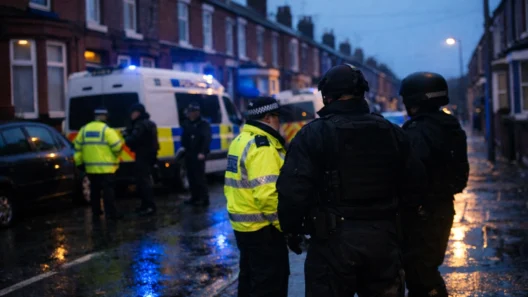
Ketamine use in the UK is climbing fast, and the internet is a big part of why. Data reported in March 2026 points to a drug scene that’s shifted online, where children as young as 10 can come across class B substances in just a few taps. What used to sit mostly around clubs and nightlife is now turning up in bedrooms and school corridors.
In line with our focus on independent news uk, it’s worth starting with the numbers. People seeking treatment for ketamine problems have risen around twelve-fold over the last decade: from 426 in 2014-15 to 5,365 by 2025. Among 16 to 24-year-olds, use has tripled since 2005. Nearly 300,000 people in England and Wales reported illicit use in the last year alone, which shows how far into the mainstream it’s moved.
This report pulls together untold stories from families, clinicians and communities dealing with the fallout. Using investigative journalism uk methods, it looks at how social media has become a new high street for illicit substances — and what that means for public health across Britain.
The digital evolution of the UK drug market
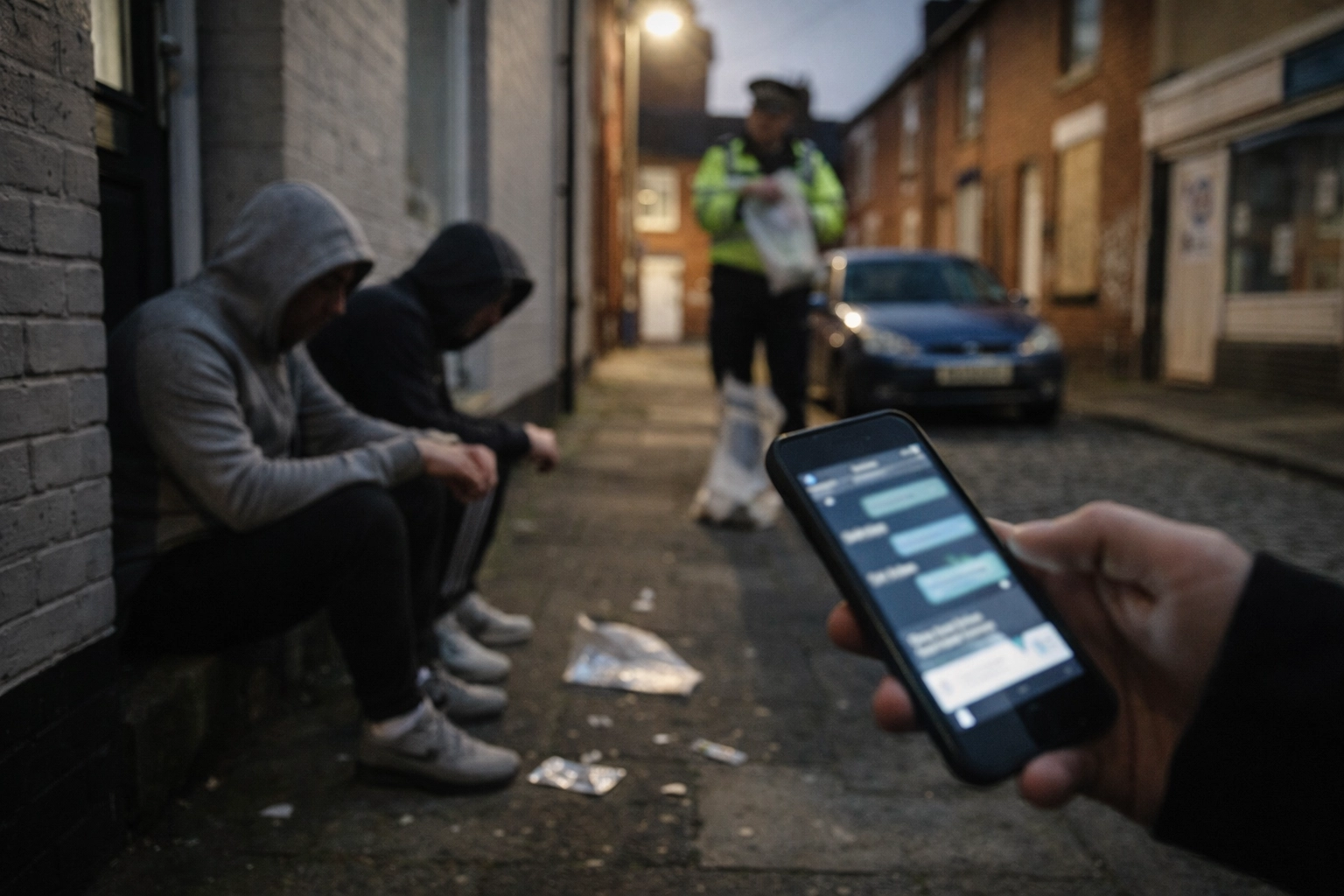
The old idea of a street-corner dealer is fading, replaced by encrypted messaging apps and social media “storefronts”. For plenty of teenagers, ketamine is now often described as easier to get than alcohol or cigarettes. Platforms such as Telegram, Snapchat and Instagram can make buying and selling feel quick and low-effort, while also slipping past parental oversight and older policing tactics.
Dealers also market the product, not just sell it. “Menu” cards, polished graphics and loyalty-style offers can pop up in private chats. Disappearing messages help wipe the trail, and that matters when someone’s trying to stay hidden. For a 10-year-old with a smartphone, the barrier to entry can be frighteningly low: there’s no real “ID check” on an encrypted app, and deliveries may arrive via couriers or local moped drop-offs that look like any other doorstep delivery.
That online setting can make drug content feel normal. When ketamine is shown alongside memes, influencers and everyday posts, the risk can seem smaller than it is. And because social platforms are algorithm-driven, clicking once can lead to more of the same content, building a feed that quietly reinforces the idea that ketamine is just another part of teenage life.
Access is also helped by price. Ketamine remains among the cheapest illicit drugs, sometimes selling for around £3 to £5 for a small “bump”. That affordability is a problem when young people are relying on pocket money. Low cost doesn’t mean low impact, and some first-time users can slide into risky patterns before they really understand what the drug can do.
The health toll — and what happens next
The health impact is already landing in the UK’s healthcare system. Long-term ketamine use can cause severe, sometimes irreversible damage to the bladder and kidneys. The condition commonly called “ketamine bladder” can thicken the bladder wall and destroy its lining, bringing intense pain and a near-constant need to urinate. In the most serious cases, some young people end up needing major surgery, including bladder removal.
In July 2025, the NHS opened its first dedicated clinic for under-16s with ketamine-related organ damage. It followed a rise in children — including some of primary school age — presenting with symptoms more often associated with older, long-term users. Clinicians have described cases where children need the toilet every 15 minutes, making normal school life and social routines hard to maintain.
The mental health risks are also significant. Ketamine is a dissociative anaesthetic, and repeated use is linked to dissociation, memory problems and depression. For developing brains, that repeated detachment can disrupt learning and emotional regulation. Some users describe a “k-hole” — a temporary but intense break from reality — which can be frightening and may add to longer-term psychological harm.
Deaths are rising too. Data from 2023-2024 suggests ketamine-related deaths were running at roughly one a week across the UK, around a twenty-fold increase since 2014. These deaths can involve accidents while someone is dissociated, as well as physical strain on the body. The idea of ketamine as a “soft” drug is increasingly at odds with what hospitals are seeing.
On the supply side, getting ketamine into the UK can involve both legal and illegal routes. While a lot is produced in illicit labs overseas, a meaningful share is diverted from legitimate pharmaceutical and veterinary supplies. Ketamine is still an important medicine in clinical settings, and organised crime groups have shown they can exploit weak points in those supply chains.
European authorities intercepted 3.5 tonnes of ketamine in 2024, up sharply from the 200 kg seized less than a decade earlier. Even with those headline seizures, street prices have stayed fairly steady, suggesting supply is still reaching the UK in volumes that outpace interception. Diversion from veterinary sources is a particular worry, partly because it can produce “pharmaceutical grade” product that is valued in illicit markets.
Any response that works is likely to be wider than simple prohibition. Teachers and healthcare workers have been calling for updated school drug education that deals directly with ketamine’s risks, rather than generic messaging that young people tune out. There’s also demand for practical advice that matches the digital reality — including helping parents spot signs of online dealing, encrypted app use and risky content feeds.
Pressure is also growing on social media firms to act faster and more consistently. The way dealers can set up and keep operating points to gaps in moderation and reporting systems. Investigative journalism uk has repeatedly highlighted how reports of dealing accounts can lead to slow action or none at all. Without faster intervention and closer cooperation between platforms and law enforcement, the online “high street” for drugs is likely to stay open.
A Collaborative Approach for the Future
Any shift that sticks is likely to depend on different parts of the system working together, rather than acting in silos. Schools, youth services, the NHS, police and local councils are facing the same reality: ketamine is easier to find online, and the harm can show up quickly.
Platforms are part of that picture too. Faster takedowns, clearer reporting routes and better detection of “menu” posts and dealer networks could reduce visibility and limit how quickly accounts reappear.
There is also a role for parents and carers, and it does not have to mean heavy-handed monitoring. Simple steps like talking openly about what young people are seeing online, understanding encrypted apps, and knowing where to get support can make it easier to spot problems early.
Through 2026, the ketamine crisis is showing how quickly online access can reshape a public health problem. The untold stories behind the statistics — including children facing surgery and long-term harm — keep pushing the issue up the agenda. What comes next will depend on whether digital enforcement, health services and education can move at the same speed as the market.