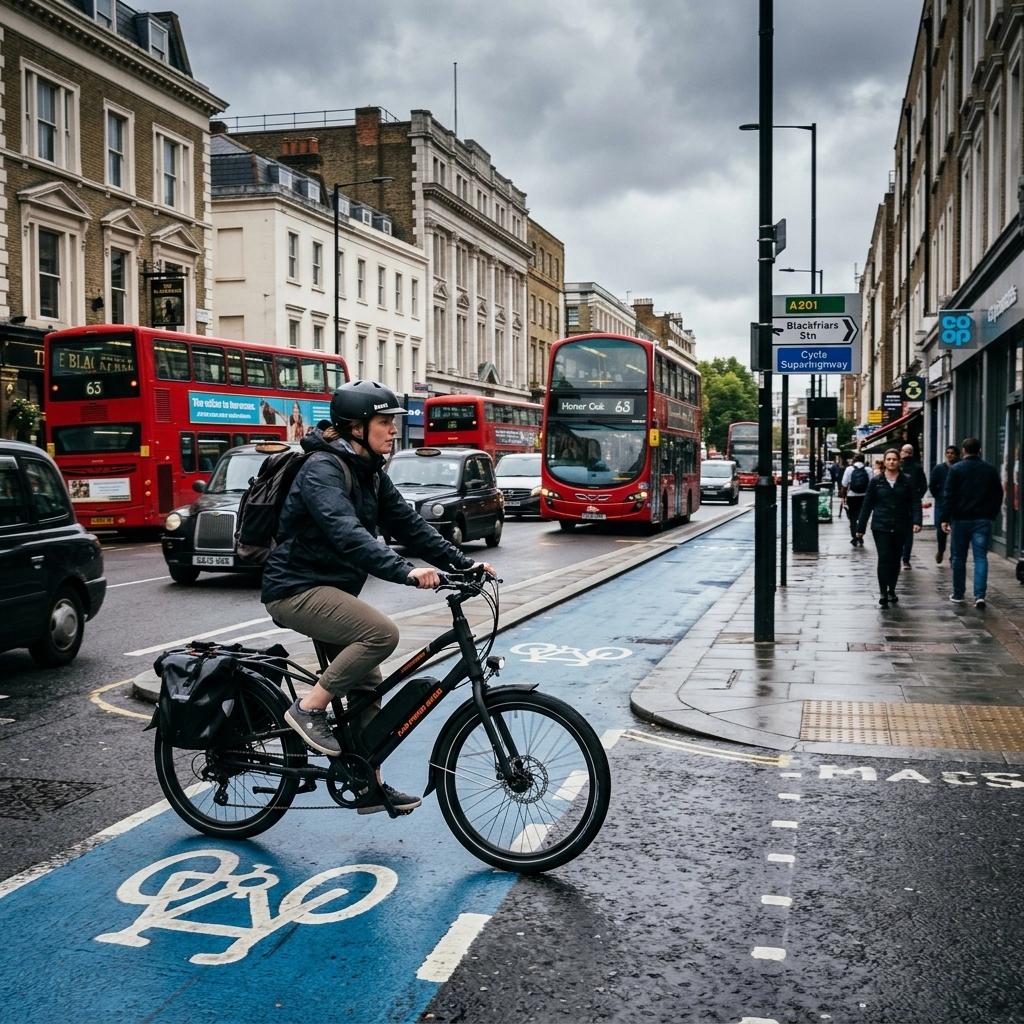
If you have spent any time in a major British city lately, you have definitely noticed the hum of the electric revolution. E-bikes and e-scooters have transformed the way we get around, from the morning commute to the fast-paced world of food delivery. They are green, they are efficient, and they are genuinely fun to ride. However, there is a darker side to this transport shift that is increasingly making headlines across the country. We are seeing a record high of e-bike and e-scooter fires, and the numbers are frankly staggering.
In 2025 alone, the UK saw 432 recorded e-bike fire incidents. To put that into perspective, that is a 38 percent jump from the previous year and more than five times the number of fires we saw back in 2021. In London, the situation is even more intense, with the London Fire Brigade attending 171 e-bike fires in just one year. These aren't just small puffs of smoke; these are violent, fast-moving infernos that can take over a room in seconds. As part of our commitment to independent news uk, we wanted to dig into the untold stories behind these statistics and figure out why our favourite new way to travel is suddenly becoming a significant fire risk.
The reality is that while the e-bikes themselves are a fantastic invention, the components inside them: specifically the lithium-ion batteries: are often the weak link. When these batteries fail, they don't just stop working; they undergo something called "thermal runaway," a process that is as terrifying as it sounds.
The hidden chemistry behind thermal runaway
To understand why these fires are so dangerous, we have to look at what is happening inside the battery casing. Most e-bikes run on lithium-ion batteries, which are incredibly energy-dense. This is why they can power you up a steep hill for miles on end. However, that high energy density comes with a catch. If the battery is damaged, overcharged, or built with poor-quality materials, the internal temperature can spike.
Once a single cell in the battery pack reaches a certain temperature, it triggers a chemical reaction that generates more heat, which then ignites the neighbouring cells. This is thermal runaway. Within seconds, the battery is no longer just a power source; it is a self-sustaining fire that produces its own oxygen and releases a cocktail of highly toxic fumes. This is why traditional fire extinguishers often struggle to put them out. The fire is fueled by a chemical reaction that doesn't need external air to keep going.
One of the most concerning untold stories emerging from fire investigators involves the "black market" for battery components. In an attempt to keep costs down, some manufacturers are reportedly using recycled parts to build new battery packs. There have even been instances of batteries being constructed using cells salvaged from disposable vapes. When you combine these substandard cells with a defective Battery Management System (BMS): the "brain" that is supposed to prevent the battery from overcharging: you have a recipe for disaster. A high-quality BMS will shut the battery down if it gets too hot or if the voltage fluctuates. A cheap, poorly designed BMS will simply let the electricity keep flowing until the whole thing goes up in flames. This lack of quality control is a massive part of why we are seeing such a spike in incidents.
The wild west of online marketplace components
If you buy a high-end e-bike from a reputable UK high-street retailer, you are generally getting a product that has been through rigorous safety testing. The problem starts when people look for a bargain on unregulated online marketplaces. We all love a deal, but when it comes to high-capacity batteries, a "cut-price" tag can be a warning sign. Many of the fires recorded in the UK have been linked to conversion kits and batteries bought from overseas sellers via major online platforms that don't always have to follow the same strict safety standards as domestic businesses.
Conversion kits are particularly popular. They allow you to turn your old mountain bike into an electric powerhouse for a fraction of the cost of a brand-new e-bike. However, these kits often come with "universal" chargers or batteries that aren't perfectly matched to the motor. Using an incompatible charger is one of the quickest ways to damage a lithium-ion battery. If the charger delivers too much current or fails to stop when the battery is full, it stresses the cells and can lead to that dreaded thermal runaway.
There is also the issue of the delivery economy. Thousands of riders across the UK rely on e-bikes for their livelihood. Because these bikes are used for hours every single day, the batteries undergo a lot of wear and tear. If a battery is dropped or knocked while a rider is weaving through traffic, the internal structure can be compromised. For a delivery rider on a tight budget, the temptation to buy a cheap replacement battery from an online marketplace is huge. But these unregulated products often lack the robust casing and safety circuitry required to handle the vibrations and demands of daily professional use. It is a systemic issue where the pressure for fast, cheap delivery is inadvertently pushing people toward using dangerous equipment. This is one of those untold stories that highlights how economic pressure can intersect with public safety in ways we don't always talk about.
Essential e-bike fire safety for every rider
Understanding the risks doesn't mean we have to stop using e-bikes altogether. They are still a vital part of our transition to a cleaner, greener transport system. However, we do need to change how we handle them. The single most important piece of e-bike fire safety advice is where and when you charge your device. A significant number of the fires recorded by fire services happened while the bike was charging, and often while the owners were asleep.
If a fire breaks out at 3:00 AM in your hallway, it can quickly block your only exit. Lithium-ion fires produce thick, black, toxic smoke that can overcome a person in just a few breaths. Firefighters across the UK are now urging people never to charge their e-bikes or e-scooters in "escape routes" like hallways or near the front door. Ideally, they should be charged in a room with a closed door and a working smoke alarm, and never left unattended or charging overnight.
Another key tip is to always use the charger that came with the bike. It might be tempting to use a spare one you found in a drawer or a cheaper version you found online, but it simply isn't worth the risk. You should also regularly inspect your battery for signs of damage. If the casing is cracked, if the battery feels unusually hot to the touch while charging, or if it has started to bulge or emit a strange smell, you need to stop using it immediately. Do not put it in your regular bin, as this can cause fires in bin lorries or at recycling centres. Instead, contact your local council for advice on how to safely dispose of a damaged lithium-ion battery.
The surge in e-bike fires is a clear signal that regulation needs to catch up with technology. While we wait for stricter rules on online marketplace imports and better standards for conversion kits, the responsibility falls on us as consumers to prioritise safety over a bargain. By being aware of the "why" behind these fires: the chemistry, the cheap components, and the charging habits: we can continue to enjoy the benefits of electric travel without putting our homes and lives at risk.
As we look toward the future of urban mobility, staying informed is our best defence. Whether it is understanding the mechanics of a battery or keeping an eye on the latest accident reports in our cities, a little bit of knowledge goes a long way. E-bikes are here to stay, but ensuring they stay safe is a challenge we all need to take seriously.
The rise in these incidents is a sobering reminder that innovation always comes with new responsibilities. By choosing reputable products, avoiding the pitfalls of unregulated marketplaces, and following basic safety protocols, we can ensure that the e-bike remains a symbol of progress rather than a fire hazard. Keeping our streets and homes safe requires a collective effort from manufacturers, regulators, and riders alike.