We have all seen them. Whether it is a bustling market stall in a corner of Manchester’s Cheetham Hill or a polished-looking profile on a social media app, the allure of a designer "dupe" is everywhere. For many, the temptation is simple: why spend three thousand pounds on a quilted leather handbag when you can get something that looks almost identical for fifty quid? It feels like a victimless crime, a cheeky way to bypass the astronomical prices of the luxury fashion industry while still keeping up with the latest trends.
However, the reality of the counterfeit fashion industry is far darker than a simple bargain. Behind the stitched logos and the "grade-A" leather lies a complex, global network of organised crime that stretches from the UK’s high streets to human trafficking routes across the globe. As part of our commitment to independent news uk, we are diving into the untold stories of what really happens when you tap "buy" on that knock-off accessory. This isn’t just about protecting the intellectual property of billionaires; it is about the very real, very dangerous consequences of a trillion-dollar shadow economy.
In the UK, the counterfeit goods market is no longer a small-scale operation run by a few local chancers. It has grown into a sophisticated engine for criminal enterprises, often providing more profit with far less risk than the traditional illegal drug trade. When we look at the logistics, the scale of the problem becomes clear. These products are the lifeblood of gangs who use the proceeds to fund everything from violent crime to the exploitation of vulnerable people.
The shifting landscape of organised crime in Britain
The economics of the counterfeit fashion world are startling. While most people assume that drug trafficking is the primary earner for organised crime, reports suggest that counterfeiting has become the second-largest income source for criminals globally. In the UK specifically, the market for fake goods is estimated to be worth more than double the illegal drug trade. The reason for this shift is purely logical from a criminal perspective: the profit margins are massive, the investment costs are low, and the legal penalties are significantly more lenient than those for smuggling class-A substances.
For many gangs, selling counterfeit fashion acts as a low-risk "entry point" or a way to launder money from other illicit activities. A market stall selling fake trainers or designer belts provides a perfect front for cash-heavy operations. In places like "Counterfeit Quay," the name often given to areas notorious for these sales, the police frequently find that the shops selling these items are just the tip of the iceberg. Behind the false walls and hidden trapdoors of these shops, investigators often find stashes of weapons, drugs, and evidence of wider criminal coordination.
The rise of social media has only accelerated this growth. There are now tens of thousands of accounts dedicated to the luxury counterfeit industry, making it easier than ever for organised crime groups to reach consumers directly. By cutting out the middleman and moving away from physical market stalls to digital storefronts, these groups can bypass traditional law enforcement checks. This digital expansion has turned a niche criminal activity into a global powerhouse, where the proceeds from a single fake bag sold in a UK suburb can be funneled back into international crime syndicates within minutes.
Exploitation in the shadows of the luxury market
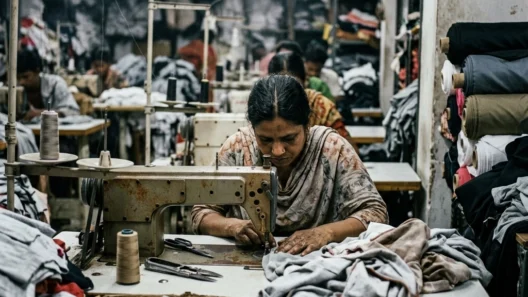
Perhaps the most harrowing aspect of the counterfeit trade is the human cost. These items do not appear out of thin air; they are produced in unregulated, often dangerous environments where labour laws are non-existent. When you buy a fake bag, you are often indirectly supporting forced labour and human trafficking. The "untold stories" of the people behind the sewing machines are filled with exploitation, where workers: including children: are forced to work long hours in cramped, hazardous conditions for little to no pay.
The link between counterfeit fashion and human trafficking is well-documented by international agencies. Traffickers often use the promise of legitimate work to lure vulnerable individuals across borders, only to seize their passports and force them into the production or sale of fake goods. In the UK, many of the people seen selling these items on the streets are themselves victims of modern slavery. They are often controlled by gangs who use debt bondage and threats of violence to keep them in line. These individuals rarely see any of the profits from the sales; instead, every penny goes back to the organised crime groups that hold them captive.
The lack of oversight in these "shadow factories" also means that the products themselves can be dangerous. Beyond the ethical concerns of forced labour, counterfeit fashion often involves the use of toxic dyes, lead, and other hazardous chemicals that would never be permitted in regulated manufacturing. This exploitation is a cycle: the consumer gets a cheap product, the criminal gets a high profit, and the worker at the bottom of the chain pays the ultimate price with their freedom and health. By choosing to support this industry, the consumer becomes an unwitting link in a chain of modern slavery.
Disrupting the cycle of illicit trade and terror
The implications of the counterfeit market extend even further than local crime and labour exploitation. There is a proven, direct link between the sale of fake goods and the funding of global terrorism. Investigators have traced the finances of several major terrorist incidents back to the resale of counterfeit items. For example, it was discovered that the attackers involved in the 2015 Charlie Hebdo tragedy in Paris funded their operations through the sale of counterfeit trainers and other knock-off goods.
Terrorist organisations like Al-Qaeda and Hezbollah have been known to use the counterfeit trade because it is a reliable way to move funds across borders without attracting the same level of scrutiny as traditional bank transfers or arms smuggling. The anonymity of the market: where cash is king and paper trails are non-existent: makes it an ideal tool for those looking to finance violence on a global scale. When we consider that the global counterfeit market generates over $1.3 trillion annually, the potential for that money to cause harm is staggering.
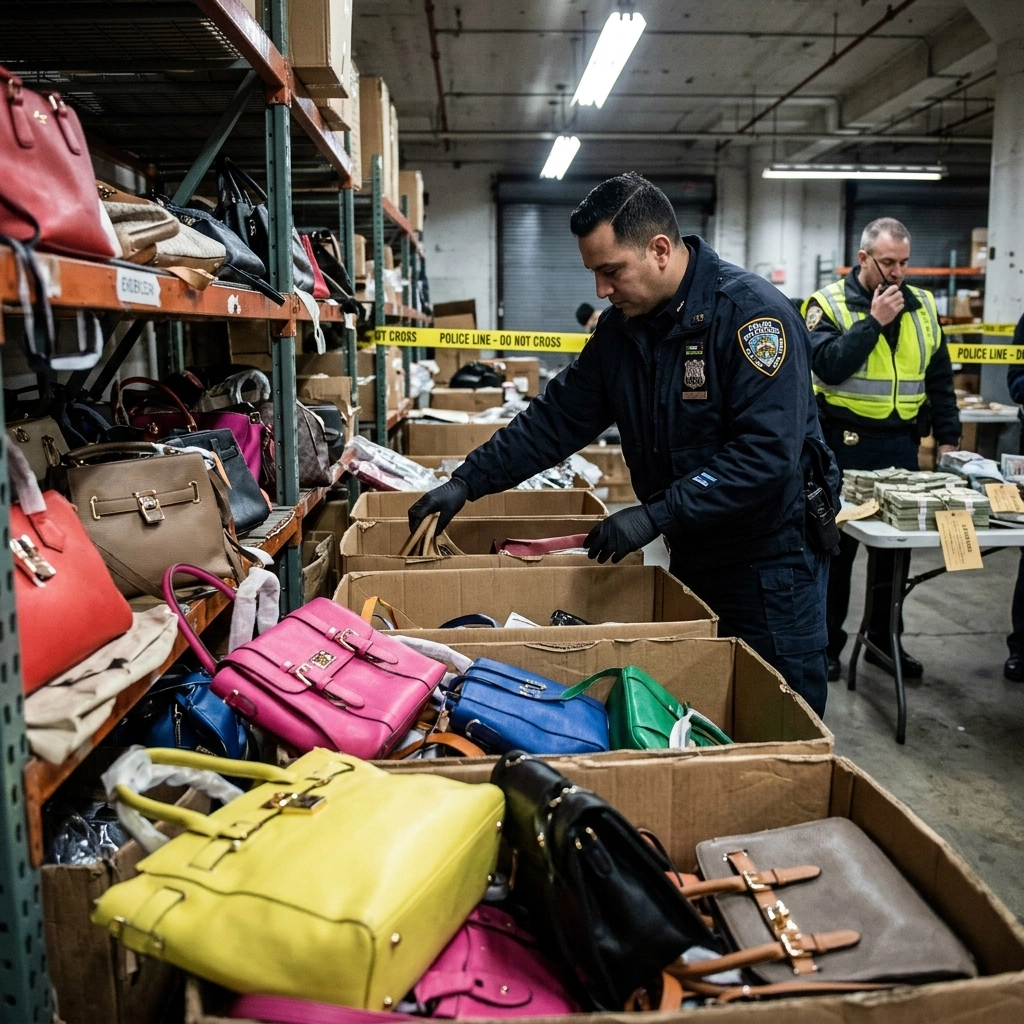
In the UK, law enforcement agencies and independent news organisations are working to bring these links to light, but the sheer volume of the trade makes it a monumental task. Every time a shipment of fake designer gear is seized at a UK port, it is a small victory against a massive machine. However, the most effective way to disrupt this cycle is to change consumer behaviour. Understanding that a "bargain" bag could be paying for a terrorist's weapon or a human trafficker's next shipment of victims changes the perspective entirely.
The fashion industry itself is also under pressure to do more. While luxury brands lose billions in revenue each year to fakes, the focus is increasingly shifting toward the ethical and security risks posed by the trade. The fight against counterfeit fashion is no longer just about protecting a brand’s prestige; it is about national security and human rights. As consumers, we have the power to stop the flow of money to these criminal networks by choosing to shop ethically and supporting legitimate businesses that adhere to fair labour practices.
The next time you see a "designer" bag at a price that seems too good to be true, remember the reality of where that money is going. It isn't just a harmless copy; it is a contribution to a system that thrives on misery, exploitation, and violence. The true cost of a fake bag is far higher than the price tag suggests, and it is a price that society can no longer afford to pay. By staying informed and making conscious choices, we can help break the cycle and ensure that our fashion choices do not fund the very crimes we hope to see eradicated from our streets.