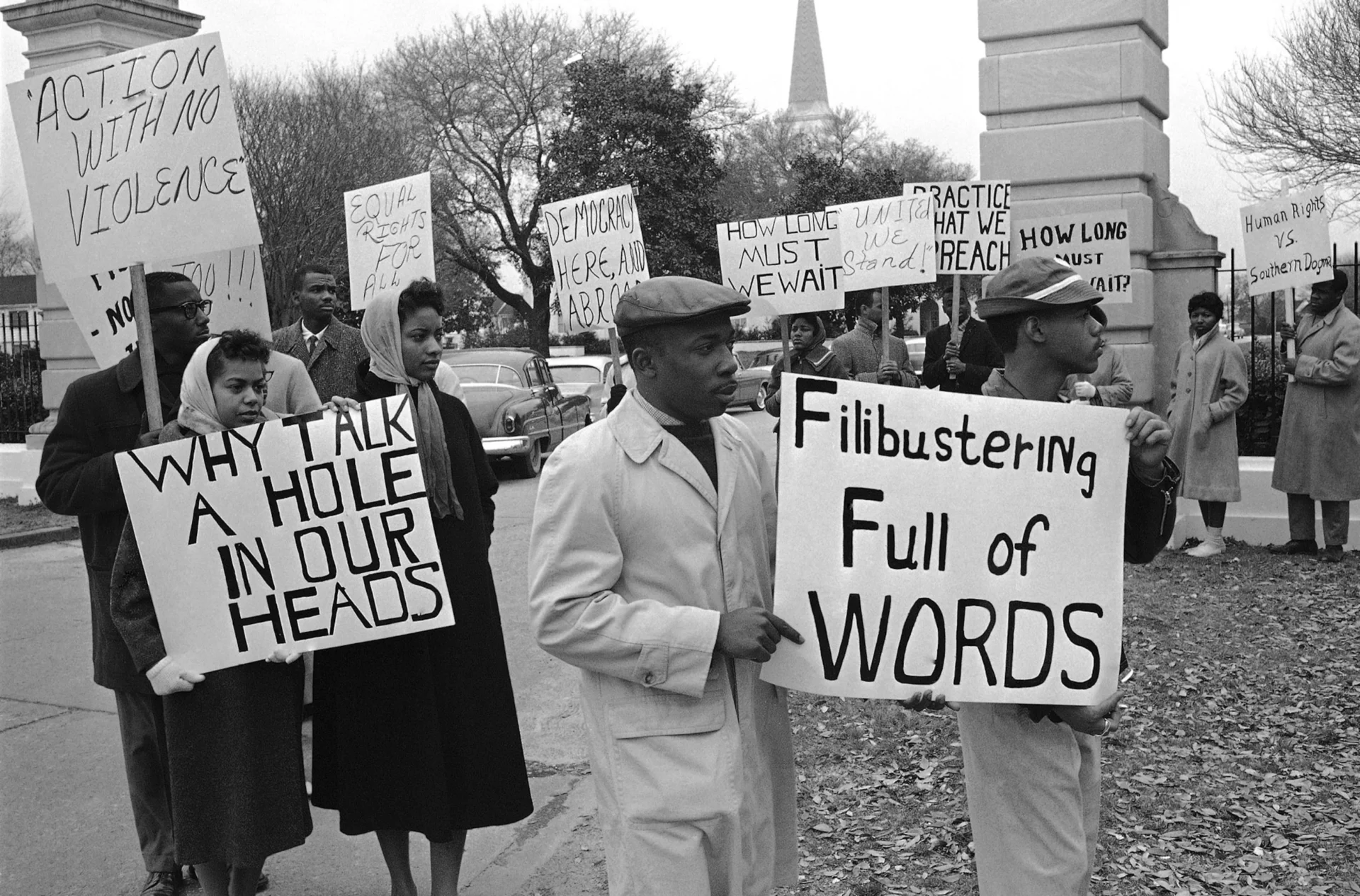
Today, many are familiar with the term “filibuster,” a procedure to prolong debate and delay a vote — but less well-known is its complicated history, which began not with the framers of the Constitution but half a century later, at the height of tensions surrounding slavery. Starting with pre-Civil War theatrics in the Senate Chamber, the filibuster has evolved through emancipation, Reconstruction, the Jim Crow era, and the civil rights movement to become an all-encompassing tactic with the capacity to trump the will of the majority. In this episode of Black History in Two Minutes (or so) hosted by Henry Louis Gates, Jr. — with additional commentary from author Adam Jentleson and Imani Perry of Princeton University — we trace how an antebellum legislative maneuver meant to empower slaveholders became a Senate institution at the center of urgent debate.
You May be Interested