








The 2026 UK music festival season faces a period of unprecedented structural change. Following a 2025 season that saw the cancellation of 50 major events, the industry is grappling with an internal crisis that remains largely hidden from the public eye.
While fans focus on ticket prices and headliners, a complex network of rising logistics costs, stagnant booking practices, and secretive industry hierarchies is reshaping the cultural landscape of the British summer.
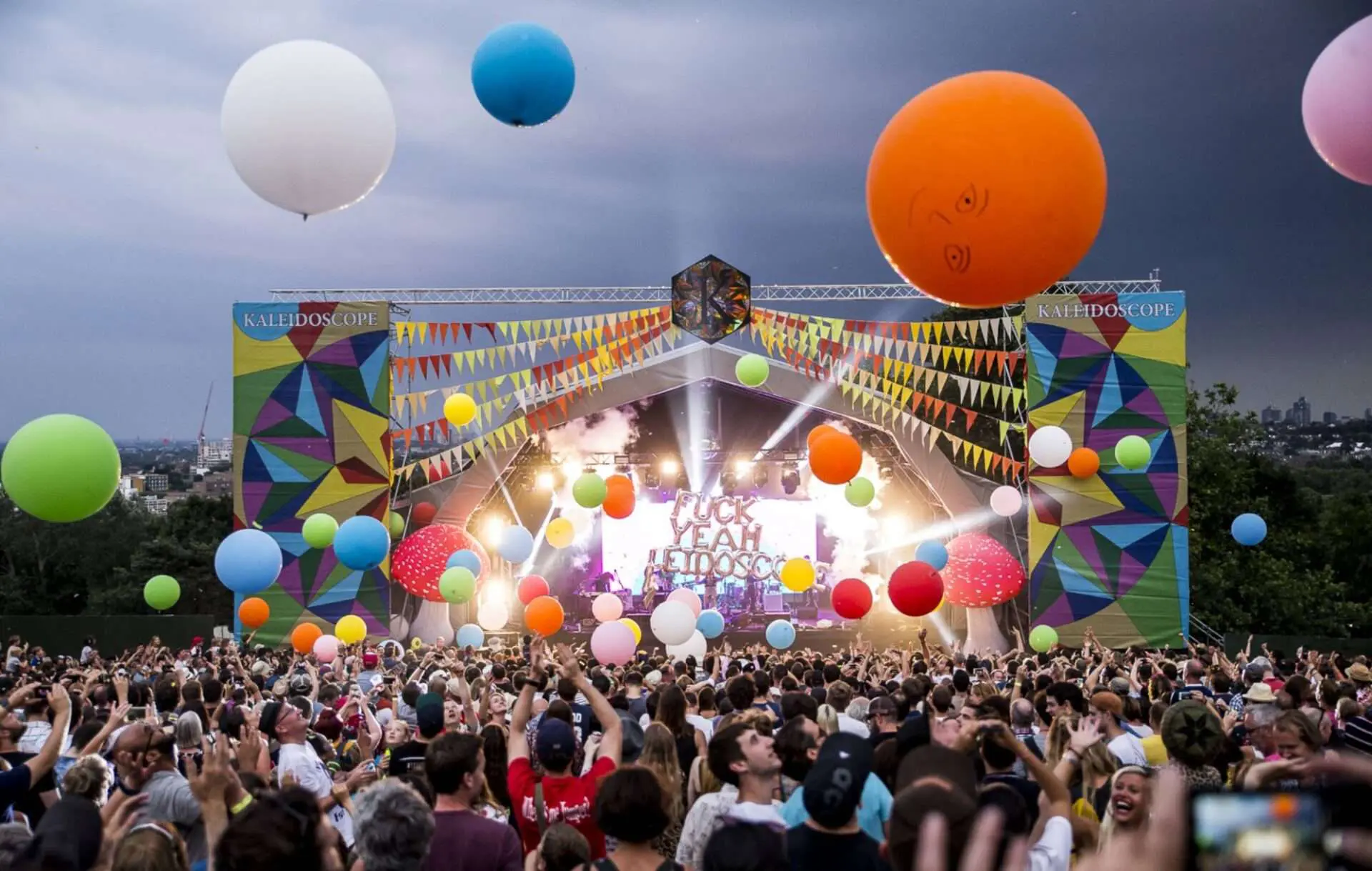
British festivals are no longer just stages in fields; they are temporary, high-functioning cities with infrastructure requirements that have ballooned in complexity over the last five years.
As the industry approaches the peak summer months, the internal pressures of supply chain inflation and artist management “gatekeeping” are coming to a head. Data suggests that the traditional model of the multi-day camping festival is under its most significant threat since the 1970s.
Reports from industry insiders indicate that the financial gap between what consumers can afford and what festivals need to charge is widening.
While ticket prices have seen a modest rise of 17% over a three-year period, the cost of the physical components required to build these events has, in some cases, doubled. This imbalance is creating a survival-of-the-fittest environment where only the most corporate-backed entities remain viable.
What’s really driving costs behind the main stage
The physical reality of a modern festival is a logistics job that runs like a small city. Behind the fences at events such as Glastonbury or Reading, there’s a hidden network of power, furniture, sanitation, and security designed to meet tighter safety rules and more demanding production setups.
Backstage areas have shifted from basic tents to complex zones: dressing rooms, green rooms, production offices, hair and makeup suites, and VIP lounges. As artist riders have become more specific, promoters have had to source more kit and more specialist suppliers, then transport it, insure it, and keep it secure on site.
Crew welfare has also become a bigger line item. Promoters increasingly provide round-the-clock catering, sleeping areas, and on-site support services for the freelance workforce that keeps events running. Those costs don’t usually show up in festival marketing, but they do land in the final ticket price.
Why cancellations keep hitting the calendar
The cancellation of 50 music festivals in 2025 was a watershed moment for the UK arts sector. Analysts point to a “perfect storm” of economic pressures, including the long-term effects of Brexit on the supply chain, post-pandemic inflation, and a shift in consumer spending habits. The most startling data point comes from the cost of basic sanitation and safety equipment.
For example, the hire of portable toilet facilities for a mid-sized festival rose from approximately £28,000 in 2021 to over £54,000 by 2024. These are identical units provided by the same companies, but the cost of diesel, labour, and maintenance has forced prices upward. Security costs have seen a similar trajectory, with increased regulatory requirements and a shortage of qualified personnel driving up hourly rates. For many independent promoters, these operational spikes are impossible to absorb without raising ticket prices to a level that the market will not support.
The “supply squeeze” is also impacted by the limited number of companies capable of servicing large-scale events. Since 2020, many smaller logistics firms have folded, leaving a few large-scale providers to dominate the market. This lack of competition allows for higher pricing and less flexibility for smaller, grassroots festivals that have historically been the breeding ground for new British talent. The result is a thinning of the festival ecosystem, where only events with significant financial backing can survive the upfront capital requirements.
Furthermore, the “exclusivity clauses” enforced by major labels and global promoters have created a financial barrier for independent festivals. These contracts often prevent artists from playing any other event within a certain radius or timeframe. This forces smaller festivals to pay a “premium” to secure talent or, more commonly, to go without high-profile names altogether. This leads to a decline in ticket sales, as audiences gravitate toward the few “mega-festivals” that can afford to dominate the summer schedule.
A review of UK festival line-ups over the past decade shows a pattern of repetition at the top of the bill. Promoters and agents increasingly rely on proven sellers to reduce risk, especially when infrastructure and staffing costs are rising faster than ticket prices.
That strategy can narrow the space available for newer acts and for a wider mix of artists, even as some festivals publicly commit to improving representation. Industry watchers say the feedback loop is hard to break: streaming performance and previous ticket-selling history can become the main filters for who gets the biggest slots.
Major labels and global promoters also shape the schedule through bundling and negotiation leverage. Promoters may be offered a headline act alongside conditions on additional bookings, which can squeeze out independent choices and make different festivals look more alike.
The direction of travel into 2026 and beyond looks split: mega-festivals with corporate backing at one end, and smaller local events at the other.
The middle tier, traditionally where new scenes break through, remains under the most pressure, and the next couple of seasons will show whether the model can stabilise or keeps shrinking.