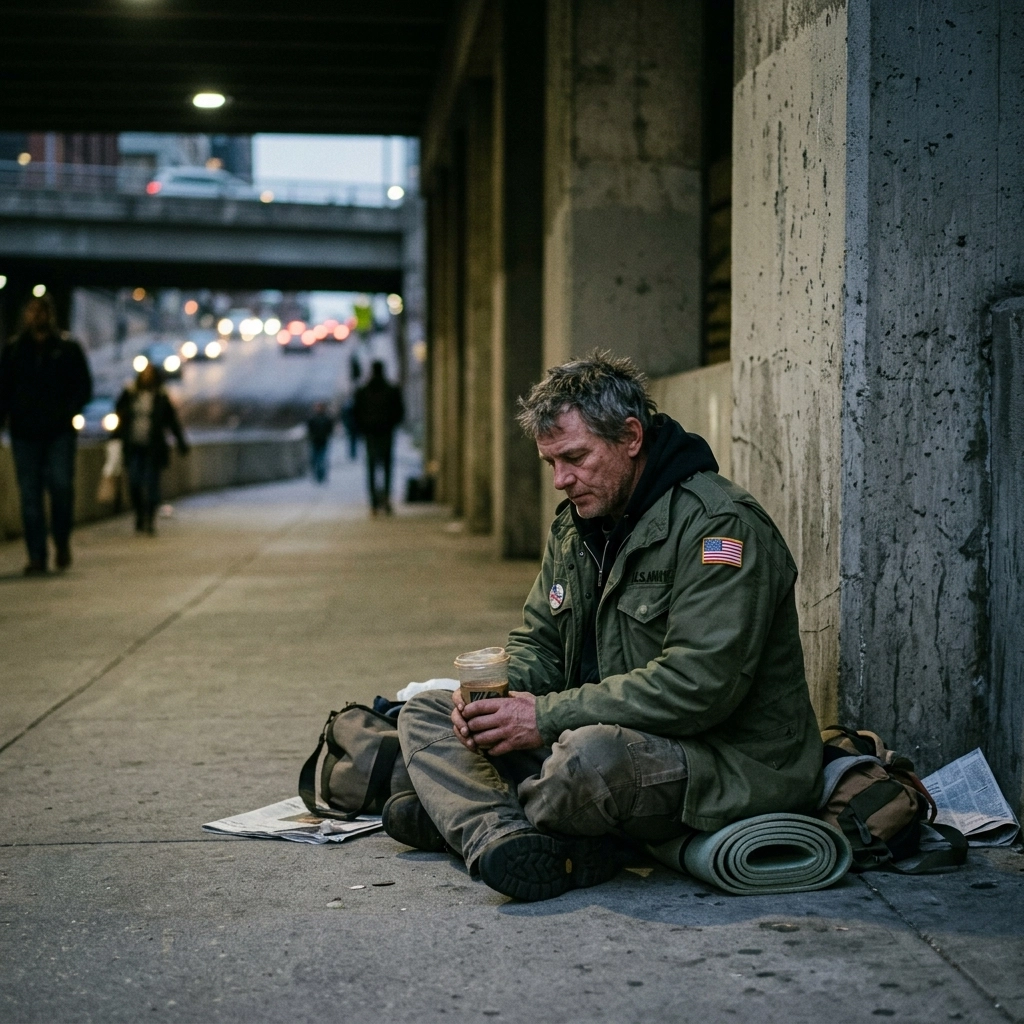
The image of a veteran experiencing homelessness in the United Kingdom is often reduced to a familiar stereotype: an older man in a city centre with a cardboard sign and nowhere to go. That reality exists, but it is only one part of a much larger, quieter crisis. Across the country, many former service members are living in what experts call hidden homelessness. They are sleeping in rusted hatchbacks in supermarket car parks, staying in garden sheds, or moving from sofa to sofa with friends who are often struggling themselves.
This is one of the untold stories that sits just outside everyday view. Despite the Armed Forces Covenant and the public language around duty and support, the reality on the ground can be a mess of bureaucracy, patchy local funding and deep isolation. For many veterans, the move from military life into civilian life is not just difficult; it can feel like falling out of sight altogether.
That is why independent news UK reporting matters here. Looking closely at hidden homelessness helps uncover what is being missed, and why so many people who once served are now struggling to find something as basic as a safe and stable place to live.
The Invisible Struggle Beyond the Streets
When we talk about homelessness, we usually refer to "rough sleeping." However, for veterans, the struggle is frequently more discreet. Military training instils a sense of pride, self-reliance, and a "can-do" attitude that can, paradoxically, become a barrier to seeking help. A veteran living in their car often maintains a level of tidiness and routine that masks their situation. They might use a gym membership to shower and keep their clothes clean, ensuring they look "normal" to the outside world while they spend their nights parked in a quiet layby, shrouded in morning fog.
This invisibility makes it incredibly difficult for charities and local authorities to reach them. Because they are not visible on the streets, they are not always counted in official rough sleeping figures, which can then mean less targeted funding for veteran-specific housing. That cycle reinforces the feeling among many veterans that they have been forgotten. The psychological toll is heavy. After years of being part of a close unit where someone always had your back, being alone in a car at 3am can be a brutal and disorienting experience.
The shift into hidden homelessness is often gradual. It might start with a relationship breakdown: a common issue for those returning from long deployments or struggling with the delayed onset of Post-Traumatic Stress Disorder (PTSD). Without a support network, a veteran might move into temporary accommodation or a "sofa surfing" arrangement. When those options run out, the car or a tent in a secluded wooded area becomes the final resort. These are the untold stories of men and women who feel they cannot ask for help because they were trained to be the ones providing it.
Navigating a Fractured System of Care
One of the biggest challenges facing veterans today is how uneven support can be from one region to the next. While national standards are often discussed, the reality is usually shaped by the local authority a veteran happens to be dealing with. In one county, there may be a housing officer who understands military life and knows how to respond. A few miles away, someone else may face a generic form, a long waiting list and very little meaningful guidance.
The bureaucracy involved in getting housing can be overwhelming, especially for people already dealing with mental health pressures. To access some forms of support, veterans are often asked to prove a local connection to an area. That is not always straightforward for someone who has spent years moving between bases in the UK and overseas. The result is that some are left in limbo, with no council clearly taking responsibility for their welfare.
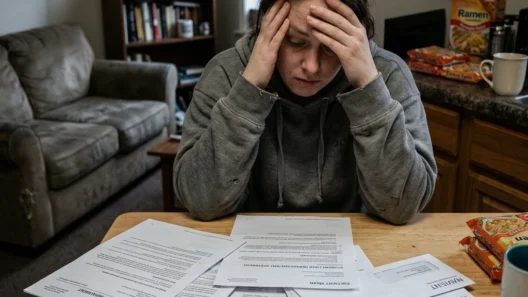
The cost of living has made things harder still. Many veterans rely on low-paid work or benefits that no longer cover private rents in many areas. For someone with limited savings and a disrupted work history, the barrier is even higher. They are often competing for a shrinking supply of social housing and may still not be treated as a priority despite their service.
The wider failure is not only about getting somebody through the front door of a property. It is about giving them a real chance of staying there. A set of keys on its own is not enough. Without support for mental health, substance misuse and employment, the risk of slipping back into the shadows remains high.
Reclaiming the Narrative Through Independent Voices
The role of independent news UK platforms is to challenge the comfortable narratives provided by official press releases. While it is heartening to see politicians laying wreaths and speaking of our "debt of gratitude," the true measure of a society's respect for its veterans is how it treats them when the cameras are turned off. Investigating the reality of veterans living in cars and temporary shelters is essential for holding the powers that be to account.
By focusing on these experiences, we can narrow the gap between public perception and the lived reality of the veteran community. These are not just numbers. They are people with histories, families and a sense that something fundamental has been lost. Many veterans describe civilian life as confusing and isolating after the structure and purpose of military service. Independent journalism can help make those experiences visible in a way that builds understanding rather than pity.
Highlighting these untold stories also gives veterans more room to speak for themselves. When life is reduced to survival, it is easy to feel as though your voice no longer carries any weight. Bringing these issues into the open can help push for better mental health support, more flexible services outside standard office hours and a national approach that does not depend so heavily on postcode.
Veteran homelessness is complex and it will not be solved by one policy announcement or one-off gesture. It needs joined-up housing, health and welfare support that reflects the reality people are living through. The basic aim is clear: no veteran should be left in the shadows after service, and the promises made to them should mean something in practice.