The landscape of drug culture in Britain has undergone a radical transformation over the last decade. Gone are the days when a transaction required a shifty meeting in a dimly lit alleyway or a hushed phone call on a burner mobile. Today, the marketplace for illicit substances is as accessible as ordering a pizza or scrolling through a fashion feed. At the heart of this shift is ketamine: a drug that has moved from the fringes of the underground rave scene to become a staple of the digital generation.
As an independent news uk source, NowPWR has been looking into the untold stories of how social media isn't just reflecting this trend but actively driving it. The rise of ketamine, often colloquially known as "Special K" or simply "K," is inextricably linked to the evolution of apps like Snapchat and Telegram. These platforms have provided a sophisticated, encrypted, and visually-driven infrastructure for a market that is booming among young people across the UK.
The transition from a veterinary anaesthetic to a mainstream party drug: and now to a digital commodity: is a complex tale of technology outpacing regulation. While the headlines often focus on the dangers of the drug itself, the role of the smartphone as a 24/7 digital dealer is a story that remains largely under-reported.
The Rise of the Digital Street Corner
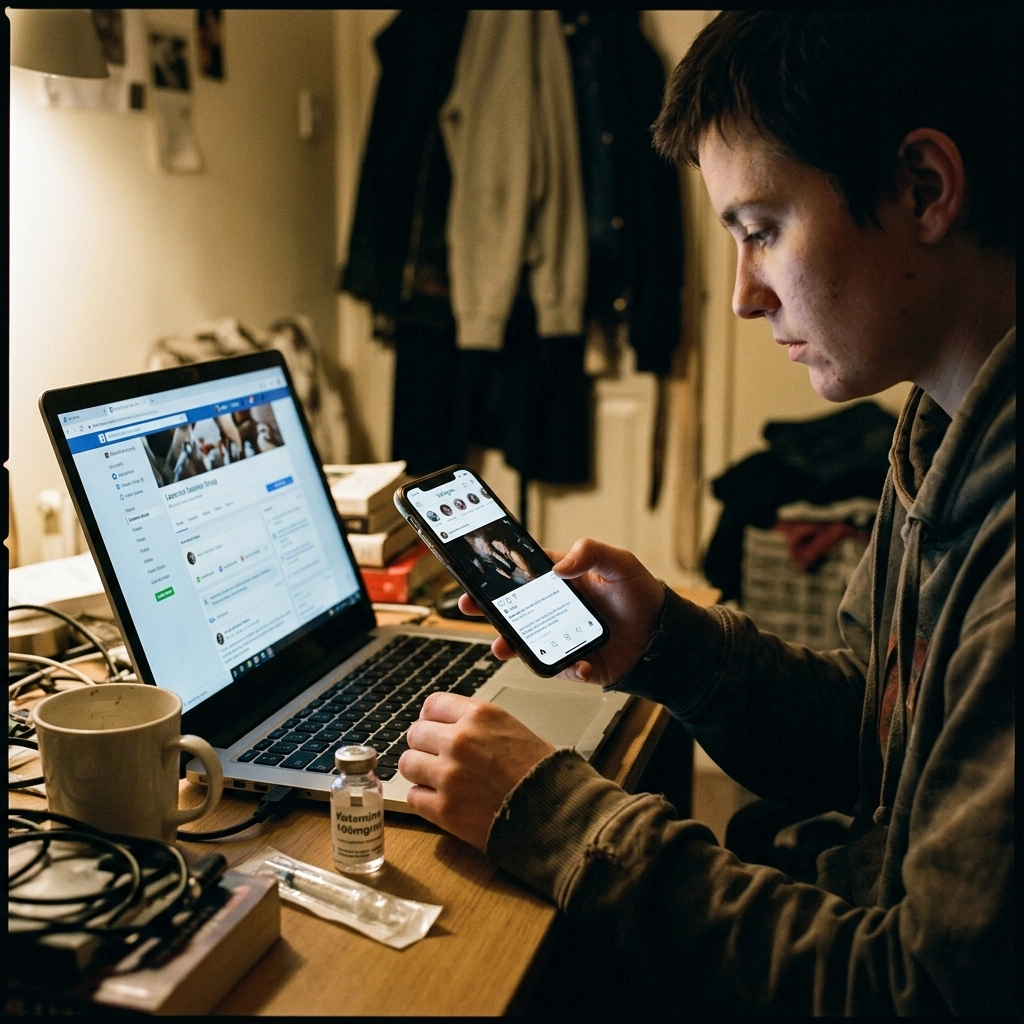
For a teenager or young adult in 2026, the barrier to entry for purchasing ketamine is remarkably low. Platforms like Snapchat have become the de facto storefronts for local dealers. Using features like "Snap Map," users can occasionally find "plugs" (dealers) in their immediate vicinity. These dealers use the temporary nature of "Stories" to advertise their stock, often using emojis to bypass keyword filters. A horse emoji or a simple "K" is enough to signal availability to a savvy audience.
Telegram, however, is where the real business happens. Unlike Snapchat, which is often used for the initial "marketing," Telegram provides a level of encryption and anonymity that makes it the perfect tool for large-scale distribution. Dealers run channels that look more like high-end catalogues than illegal operations. They post high-resolution photos of their product, price lists, and "menu" updates. Some even offer "loyalty programmes" or discounts for bulk buys, mimicking the tactics of legitimate retail brands.
The convenience of these apps has democratised the drug trade. It isn't just "career criminals" selling drugs anymore; it is often peers within the same social circles or university halls. The anonymity of the screen removes the perceived danger of the transaction, making the act of buying ketamine feel no more significant than a social interaction. This ease of access is a primary driver behind the surge in usage figures that independent news uk outlets have been monitoring over the past few years.
This digital infrastructure also allows for a rapid spread of information: and misinformation. When a new "batch" arrives in a city, the news travels through Telegram groups in seconds. This creates a sense of urgency and community around the consumption of the drug, further embedding it into the social fabric of digital-native generations.
The Blur Between Medicine and Misuse
One of the more confusing aspects of the current ketamine boom is the overlap between its illegal street use and its growing reputation as a "miracle drug" for mental health. In recent years, private clinics across the UK and the US have begun offering ketamine infusion therapy for treatment-resistant depression and PTSD. This has created a "halo effect" around the substance, which social media algorithms have been quick to exploit.
When a young person searches for information about anxiety or depression on platforms like Instagram or TikTok, they are often served content related to ketamine therapy. While these are legitimate medical treatments performed in controlled environments, the distinction often gets lost in the "scroll." Influencers and "wellness" accounts frequently post about the transformative effects of ketamine, often failing to mention the strict medical supervision required or the high costs associated with private healthcare.
This creates a dangerous narrative: if ketamine is a medicine, how bad can the street version be? This "aestheticization" of the drug is a key part of the untold stories of the current crisis. Users on TikTok post "K-hole" aesthetics: videos featuring distorted visuals and ethereal music meant to mimic the dissociative effects of the drug. These videos often go viral, framing a potentially dangerous experience as a desirable, artistic "vibe."
The algorithms don't distinguish between a clinical trial and a recreational binge. They see engagement. By constantly feeding users content that normalises or glamourises the drug, social media platforms are inadvertently lowering the psychological threshold for trying it. For more information on how we handle these sensitive topics, you can view our editorial guidelines. This blur between legitimate medicine and illicit misuse is a gap that dealers are more than happy to fill, often using the language of "self-care" and "healing" to sell their product.
The Untold Stories Behind the Screen
While the digital facade of the ketamine market looks clean, convenient, and even trendy, the reality on the ground is far grittier. One of the most significant untold stories is the devastating physical impact of long-term ketamine use, particularly on the bladder. "K-cramps" and permanent bladder damage are becoming increasingly common among young users in the UK, yet these consequences are rarely featured in the neon-soaked "aesthetic" videos on social media.
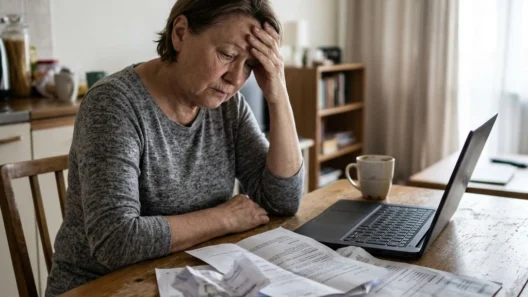
Because the drug is so cheap: often cheaper than a round of drinks in a London pub: it has become a primary choice for those facing financial hardship. We have seen similar patterns in how students manage their finances, often discussed in our features on student loans and the debt trap. When life feels overwhelming and the future looks bleak, the dissociative "escape" offered by ketamine is an attractive, affordable option.
Furthermore, the "social mediafication" of the drug trade has led to an increase in "postal dealers." Ketamine is being sent through the Royal Mail in record quantities, ordered through encrypted apps and paid for with cryptocurrency. This removes the "scary" element of meeting a stranger, but it introduces new risks, such as the purity of the drug. Much of the ketamine sold online is cut with various research chemicals or even more dangerous substances, but on a Telegram menu, it all looks like "Triple-A Grade."
The human cost also extends to the people behind the accounts. The ease of setting up a digital shop means that more young people are being drawn into "low-level" dealing, unaware of the severe legal consequences or the potential for violence that still exists beneath the digital surface. The platforms themselves are often slow to react. While Meta and Snapchat have made efforts to ban certain hashtags, the dealers are always one step ahead, changing their handles and using coded language to stay under the radar.
Addressing the ketamine boom requires more than just traditional policing; it requires a deep understanding of how digital spaces have reshaped human behaviour. At NowPWR, we believe in shedding light on these hidden dynamics to provide a clearer picture of the challenges facing our society today. If you have concerns about the content we publish or want to understand our stance on these issues, you can always check our defamation and content disclaimer or contact our team directly.
The intersection of social media and the drug market is a prime example of how technology can be a double-edged sword. It offers connection and information, but it also provides the perfect cover for a market that is leaving a trail of health crises and addiction in its wake. Understanding this digital ecosystem is the first step in tackling the "Social Media Drug" phenomenon and protecting the next generation from the hidden dangers of the scroll.
The rise of ketamine through digital channels is a complex issue that sits at the crossroads of technology, mental health, and social policy. As platforms continue to evolve, the methods used by those looking to exploit them will also become more sophisticated. It remains to be seen whether regulators and social media companies can close the gap before the digital pharmacy becomes even more entrenched in daily life.