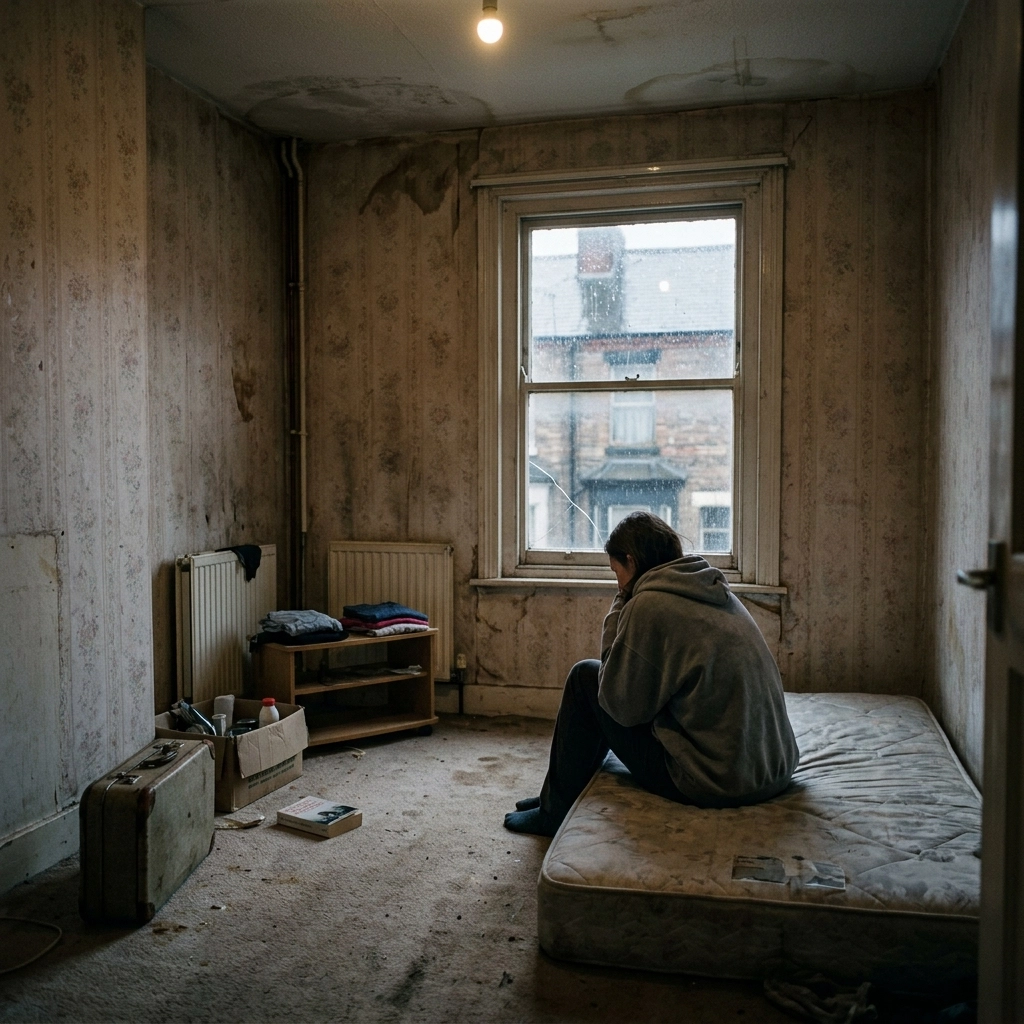
Escaping a domestic abuse situation is one of the most courageous things a person can do. It’s a moment of immense bravery, often involving months of secret planning and a desperate hope for a safer future. But for too many survivors in the UK, the reality of that "safe future" is a different kind of nightmare. Instead of a fresh start in a clean, secure environment, many find themselves caught in a secondary trap: substandard temporary accommodation. At NowPWR, we believe in sharing the untold stories that often get lost in the shuffle of the daily cycle, and the housing crisis facing abuse victims is certainly one of them.
When we talk about the housing crisis, we often focus on prices or interest rates. But as an independent news uk outlet, we see the human side of these statistics. For a survivor, the promise of a refuge or emergency housing is a lifeline. However, that lifeline is increasingly frayed. People are being moved from dangerous homes into properties that are, quite frankly, unfit for human habitation. It’s a heartbreaking trade-off that no one should have to make.
The journey from a violent home to a temporary one is supposed to be the first step toward healing. Sadly, the physical environment of this temporary housing often does the exact opposite. It compounds trauma, heightens anxiety, and makes the road to recovery feel almost impossible to walk.
The Stark Reality of Emergency Accommodation
One of the most distressing trends we’ve uncovered in these untold stories is the prevalence of windowless rooms. Imagine finally leaving a situation where you were constantly walking on eggshells, only to be placed in a small, cramped room with no natural light and no ventilation. For many survivors, especially those with children, this feels less like a sanctuary and more like a different kind of prison. Natural light isn't just a luxury; it’s a basic requirement for mental well-being, particularly for those already dealing with the heavy weight of Post-Traumatic Stress Disorder (PTSD).
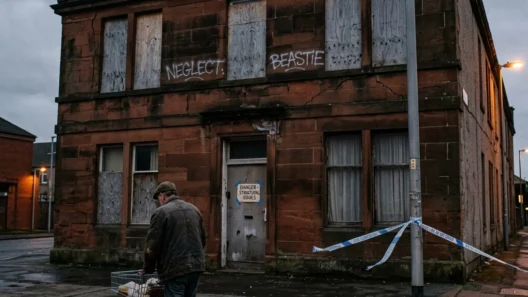
These rooms are often converted from old office blocks or commercial buildings that were never meant to be homes. Because they aren't permanent residences, they often bypass the stricter regulations that apply to standard rental properties. This creates a loophole where local authorities, overwhelmed by the sheer number of people needing help, end up placing vulnerable families in spaces that are suffocatingly small and dark.
The lack of windows doesn't just impact the mood; it impacts health. Without proper airflow, these rooms become breeding grounds for heat and stagnant air. When you're trying to process the trauma of abuse, being confined to a dark, stuffy box makes it incredibly hard to find the mental clarity needed to rebuild your life. It’s a systemic failure that treats survivors as numbers on a spreadsheet rather than people who need a place to breathe and heal.
Living with Pests and Health Hazards
If the windowless rooms weren't bad enough, the physical state of the buildings themselves is often appalling. We’ve heard reports of survivors moving into properties only to find severe insect infestations. We’re talking about cockroaches in the kitchen, bedbugs in the sleeping areas, and mice running through the hallways. For someone who has just fled a domestic abuse situation, the added stress of living with vermin is often the breaking point.
It’s hard to feel safe when you’re constantly worried about what’s crawling under the floorboards or through the walls. These infestations aren't just a nuisance; they are a health hazard, particularly for young children who might be moving into these spaces with their mothers. When a survivor has to spend their limited resources on pest control or replacing clothes and bedding ruined by insects, it saps the financial and emotional strength they need to stay away from their abuser.
Beyond the pests, many of these temporary homes are plagued by damp and black mould. The smell hits you the moment you walk through the door: that musty, heavy scent that tells you the building is literally rotting from the inside out. Living in damp conditions leads to respiratory issues, skin problems, and a general sense of decay that mirrors the emotional state many survivors are trying to escape. When the system provides a "safe house" that is actually making you physically ill, it sends a clear message that your health and dignity are secondary concerns.
The Structural Failures Keeping People Trapped
The reason this "housing trap" exists isn't because people don't care; it’s because the system is fundamentally broken. There is a massive shortage of social housing across the UK, and funding for specialist refuges has been cut to the bone over the last decade. This means that local councils are forced to rely on private landlords and "budget" accommodation providers who are more interested in profit margins than the welfare of their tenants.
Many survivors find themselves stuck in this "temporary" accommodation for months, or even years, because there is nowhere else for them to go. They are in a state of perpetual limbo. They can’t return to their abuser, but they can’t find a permanent, affordable home either. This instability is a major factor in why some survivors eventually feel forced to return to a dangerous situation. If the alternative to a violent partner is a windowless, cockroach-infested room that is making your kids sick, the "choice" becomes an impossible one.
We also have to look at the financial barriers. Abusers often use economic control as a tool, leaving survivors with no savings, poor credit, or no recent employment history. When they try to move into the private rental sector, they are often rejected by landlords who see them as a "risk." This pushes them back into the cycle of substandard temporary housing provided by the state. Without a survivor-centered approach to housing: one that prioritises safety, dignity, and long-term stability: we are essentially failing some of the most vulnerable members of our society.
Addressing this issue requires more than just a few extra beds. It requires a complete rethink of how we value the lives of domestic abuse victims. It means enforcing stricter standards on any property used for temporary accommodation, ensuring that windowless rooms are a thing of the past and that infestations are dealt with immediately. It also means investing in permanent social housing so that "temporary" actually means temporary.
At NowPWR, we believe that bringing these issues to light is the first step toward change. By focusing on independent news uk and highlighting the untold stories of those living in these conditions, we hope to spark a conversation that leads to real action. No one should have to escape violence only to find themselves trapped in squalor.
The housing trap is a quiet crisis, hidden behind the closed doors of nondescript buildings and "temporary" labels. But for the people living inside, it is a daily battle for health, sanity, and safety. It’s time the system treated them with the respect and care they deserve, providing not just a roof, but a home where they can truly begin to heal.
Providing adequate housing is not just a logistical challenge; it is a moral imperative. When a society tells victims to leave their abusers, it makes a silent promise that there will be something better waiting on the other side. Right now, for thousands of people, that promise remains unfulfilled. We must continue to demand better standards and more accountability from those in charge of housing the vulnerable. Only then can we say we are truly supporting survivors on their journey to freedom.