It is often said that love is blind, but in the digital age, love has become a target for some of the most sophisticated criminal networks on the planet. While we often hear about "catfishing" in a light-hearted or cautionary way, the reality behind romance scams is far darker. It isn't just about a fake profile picture or a bit of harmless flirting; it is a multi-billion pound industry built on the systematic destruction of lives. For many, the financial loss is only the beginning. The emotional wreckage left behind by someone who claimed to love them is a burden that stays long after the bank accounts are emptied.
At NowPWR, we believe in bringing you the untold stories that mainstream headlines often gloss over. As an independent news uk outlet, we want to look past the staggering statistics and focus on the human beings trapped in these webs of deceit. When we talk about "millions stolen," we are talking about retirement funds, house deposits, and life savings that were handed over in good faith. We are talking about people who were groomed, manipulated, and eventually discarded by professional predators.
The scale of the problem is truly frightening. Recent data suggests that fraud losses are skyrocketing globally, with romance scams acting as a gateway for even more complex investment frauds. But to understand how this happens to intelligent, sensible people, we have to look at the psychological mechanics of the con.
The Psychological Trap of the Modern Swindle
The success of a romance scam doesn't rely on the victim's lack of intelligence; it relies on their capacity for empathy and connection. Scammers are experts at "love bombing": a technique where they shower a target with affection, attention, and promises of a future together. This creates a powerful hit of dopamine, making the victim feel seen and cherished. Once that emotional bond is forged, the scammer begins to introduce "crises."
These criminals aren't just sending a random message and asking for money five minutes later. They are playing the long game. They might spend months building a rapport, learning about the victim’s family, their insecurities, and their dreams. In the world of untold stories, these grooming phases are often the most painful to revisit. Victims recall sharing their deepest secrets with someone they believed was their soulmate, only to realise later that every word they spoke was being used to fine-tune a financial trap.
Take the case of Carolyn Woods, one of the most high-profile victims of a professional conman. Her story is a chilling example of how deep the deception can go. She met a man who claimed to be an MI6 agent: a sophisticated, charming individual who moved into her life with alarming speed. He didn't just ask for a few hundred pounds; he orchestrated a lifestyle of luxury and secrecy that eventually cost her £850,000. She lost her home, her savings, and her sense of security. The psychological toll of being deceived by someone you lived with and planned a life with is almost impossible to quantify.
These predators often use "manufactured urgency" to bypass a victim's natural caution. They might claim to be stuck in a foreign country, facing a medical emergency, or needing a short-term loan to unlock a massive inheritance or business deal. Because the victim is already emotionally invested, their instinct is to protect the person they love. The scammer isn't just stealing money; they are weaponising the victim's kindness.
Real Lives and Shattered Dreams
When we look at the financial impact, the numbers are hard to wrap your head around. In the UK alone, tens of millions are lost every year to romance fraud, but even these figures are likely a massive underestimation. Many victims never report the crime because the shame is too great. They feel foolish for "falling for it," even though they were targeted by organised crime groups that use scripts, psychological profiles, and even AI technology to perfect their craft.
The financial ruin often follows a predictable, devastating pattern. It starts small: a train ticket to visit, a new phone to keep in touch. Then, the stakes rise. Victims have been known to sell their homes, take out massive bank loans, or drain their pensions to help their "partner." By the time the victim starts to ask questions, the scammer has already moved the money through a complex web of accounts, often converting it into cryptocurrency to make it untraceable.
As an independent news uk platform, we’ve seen how these stories affect people from all walks of life. It isn't just the elderly who are targeted, although they are often the most vulnerable due to higher levels of savings. Professionals, young adults, and retirees alike have found themselves in the crosshairs. The common thread isn't age or education; it’s a period of transition or loneliness that makes the scammer's approach feel like a lifeline.
The difficulty in these cases is that the money is often "voluntarily" sent. Unlike a credit card theft where someone swipes your details, romance scam victims technically authorise the payments themselves. For years, banks used this as a reason to deny refunds, leaving victims with nothing. While the landscape is slowly shifting with new regulations in the UK regarding Authorised Push Payment (APP) fraud, the process of getting justice remains a mountain to climb. The money is usually gone within seconds, moved overseas to jurisdictions where UK police have little to no power.
The Upstream Battle for Justice and Recovery
Getting justice for a romance scam is notoriously difficult. Because these criminals often operate from thousands of miles away, local law enforcement agencies are frequently overwhelmed. Even when a perpetrator is identified, the process of extradition and prosecution can take years and cost more than the original theft. For victims like Carolyn Woods, the road to seeing her tormentor behind bars was long and exhausting. It required incredible persistence and a refusal to be silenced by the stigma of the crime.
However, the tide is beginning to turn. Awareness is growing, and more people are speaking out about their experiences, turning their personal tragedies into untold stories that warn others. There is also a push for social media companies and dating apps to take more responsibility for the fake profiles that litter their platforms. If a bank has systems to flag unusual activity, why don't dating apps have better systems to flag accounts that use stolen photos or known scamming scripts?
Education is the strongest weapon we have. Understanding the red flags: the refusal to video call, the constant excuses for not meeting in person, and the inevitable request for financial help: can save lives. But we also need to change the way we talk about victims. Instead of asking "how could they be so gullible?", we should be asking "how can we stop these criminals from operating with such impunity?"
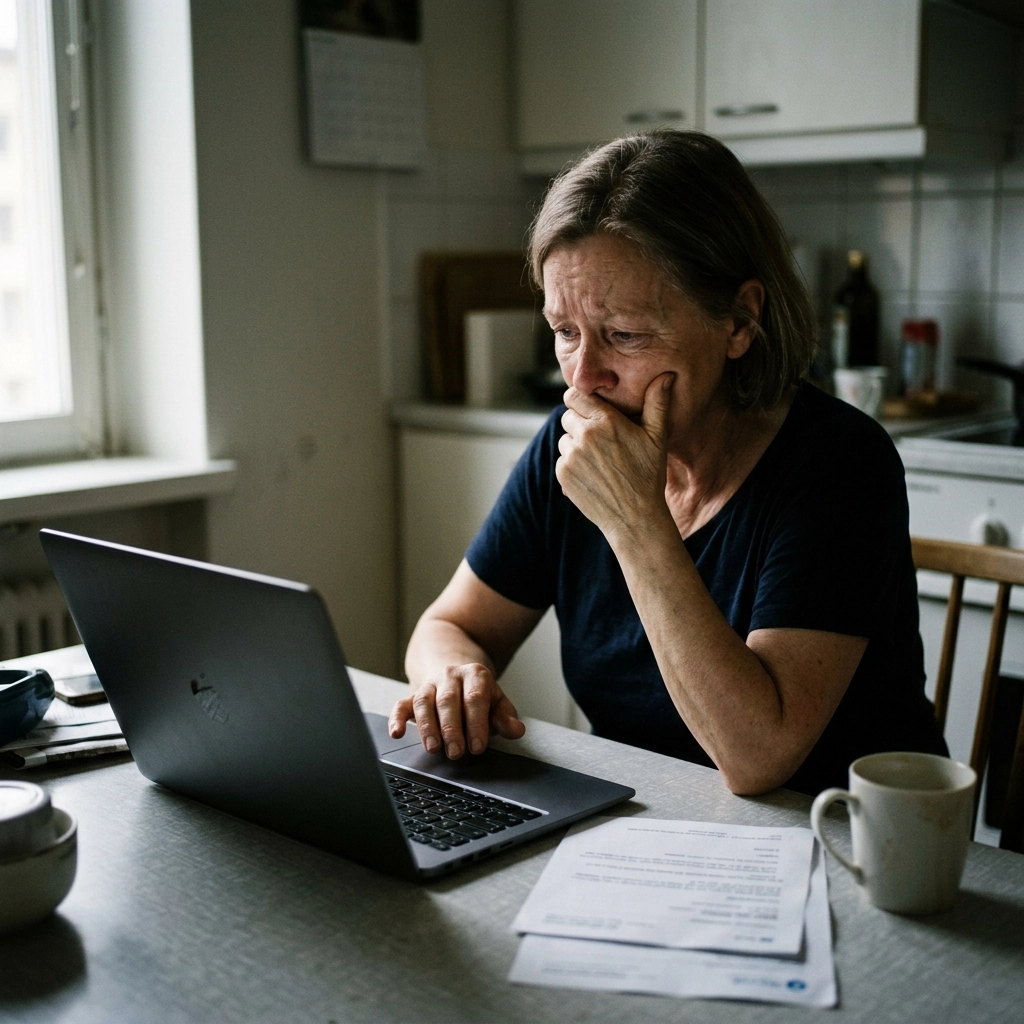
Recovery for a victim isn't just about the money. It's about rebuilding a shattered identity. Many victims report feeling a sense of "emotional bereavement" that is identical to losing a partner to death. In their minds, the person they loved was real; finding out that person was a fabrication is a trauma that requires specialist support. The journey back to trusting others: and, more importantly, trusting one's own judgment: is the hardest part of the entire ordeal.
The reality of romance scams is a sobering reminder of the risks that come with our connected world. While the internet offers endless opportunities for genuine connection, it also provides a playground for those who view human emotion as nothing more than a commodity to be exploited. By sharing these stories and looking at the cold facts behind the stolen millions, we can hopefully create a more informed and protected community.
The fight against romance fraud continues, driven by the bravery of those who come forward and the commitment of investigators working to dismantle these international networks. While the millions may be gone, the resilience of the survivors remains a powerful testament to the human spirit's ability to endure even the most calculated betrayals.