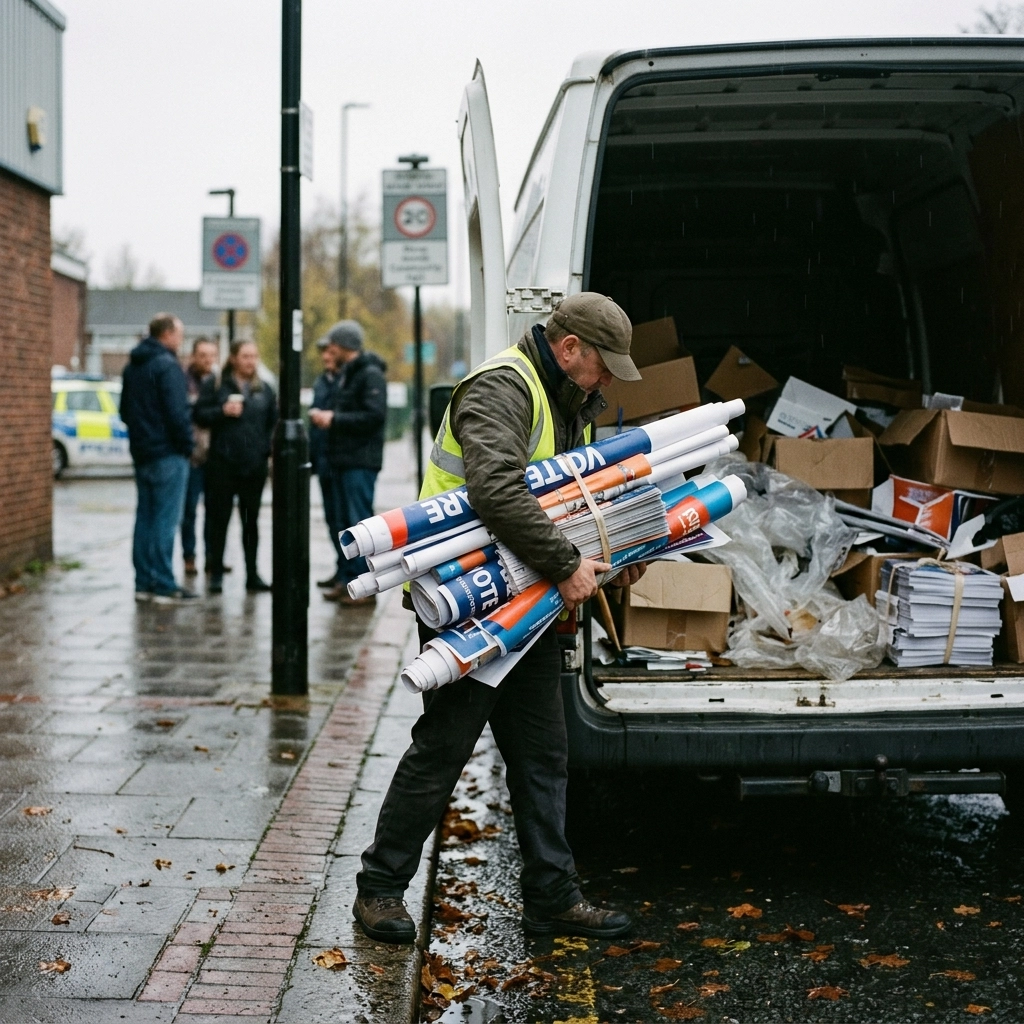
When we talk about the cost of an election, the mind usually jumps straight to the glossy leaflets landing on the doormat, the massive digital billboards at the local roundabout, or the expensive bus wraps that dominate the news cycle. We think about the millions of pounds political parties pour into target seats to win over that crucial 1% of undecided voters. But while the parties are busy raising and spending their private funds, there is a massive, parallel financial machine running in the background: one that is funded entirely by the taxpayer.
Democracy isn't cheap. Organizing a nationwide event that requires nearly 50 million people to have a secure, verified way to cast their vote is one of the most complex logistical feats any government can pull off. For the 2024 UK General Election, the estimated administrative bill was around £161 million. That is purely the cost of the infrastructure, separate from what the politicians are spending to get your attention. It’s the price of the ballot boxes, the staffing of the halls, and the printing of millions of slips of paper. As we look deeper into where this money actually goes, it becomes clear that the "hidden" cost of campaigning isn't just about party donations; it’s about the rising price of maintaining the democratic process itself.
The Logistics Behind the Ballot Box
To understand why the bill for a general election is climbing higher every cycle, you have to look at the sheer scale of the operation managed by local councils and Returning Officers. In 2019, the total cost was roughly £153 million. By 2024, that figure jumped to £161 million, an increase that has consistently outpaced inflation over the last decade. This isn't just a result of things getting more expensive; it’s a result of the process becoming more complex.
Returning Officers: the officials responsible for overseeing the vote in each constituency: account for the lion’s share of the spending. In previous cycles, their expenses made up about 70% of the total budget. This covers everything from the hire of community centres and school halls to the thousands of staff members needed to man them. We’re talking about over £20 million just to pay presiding officers and poll clerks for a single day’s work. When you add in the logistics of the "count": the late-night, caffeine-fuelled sessions in sports halls across the country: the staffing costs alone are staggering.
Then there is the seasonal factor. Because elections can be called at various times of the year, the weather actually dictates part of the bill. The 2019 winter election, for example, was notably more expensive because every single polling station required extra heating and lighting during the dark, cold December hours. Beyond the physical stations, the shift in how people vote is also driving up costs. The expansion of postal voting and the new rules for overseas electors mean more administrative legwork and higher postage and printing fees. Every year, the cost per registered voter sits at around £3.57, which sounds small until you multiply it by the tens of millions on the electoral roll.
There is also the matter of new legislation. The implementation of Voter ID requirements has been estimated to cost around £150 million over the next decade. This includes the cost of public awareness campaigns, training staff to check IDs, and the provision of free Voter Authority Certificates for those without a valid photo ID. While the policy debate continues on the merits of these changes, the financial reality is that every new layer of security or accessibility adds a few more million to the public ledger.
Accountability and the Transparency Gap
While we have very strict rules about how much a political party can spend: capping it at roughly £54,010 per constituency contested: the rules governing the public administrative spend are much murkier. One of the biggest "hidden" aspects of election spending is the Maximum Recoverable Amount (MRA). This is the pot of money that local Returning Officers can claim back from the central government to cover their costs.
The problem is that the formula used to calculate this amount isn't actually public. The government doesn't publish the exact workings they use to decide how much a council is allowed to spend on things like ballot paper printing or staff training. This creates a transparency gap that has frustrated local authorities for years. Without a clear formula, councils are often left guessing whether they will be fully reimbursed for the necessary expenses of running a fair and secure vote.
Adding to this pressure is the delay in reimbursement. It is not uncommon for Returning Officers to wait up to two years to be fully paid back by the central government for an election they have already run. This effectively forces local councils: many of which are already facing significant budget shortfalls: to provide interest-free loans to the central government to keep democracy moving. It’s a hidden financial strain that impacts local services, as money is tied up in election administration while waiting for the Treasury to settle the bill.
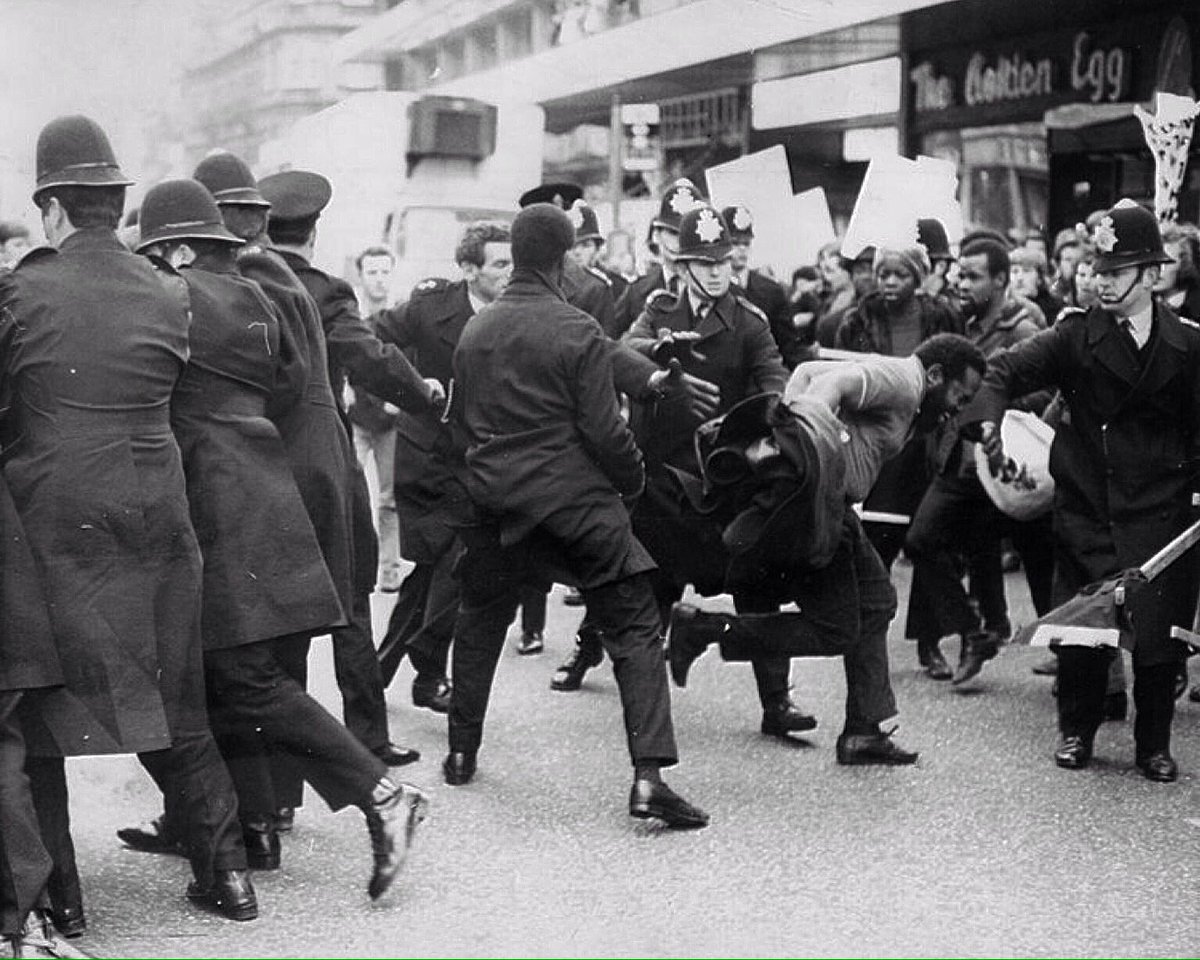
This lack of transparency extends to what some campaigners call "dark money" gaps in the political side of spending. While the administrative side is opaque because of bureaucratic formulas, the campaign side is opaque because of how spending is categorized. Parties have a "regulated period" where every penny counts, but spending on staff, annual conferences, and some forms of digital infrastructure often falls outside these limits. This makes it incredibly difficult for the average voter to see exactly how much is being pumped into the political ecosystem. When we consider how these financial pressures interact with social progress, we can see parallels in other areas of public life, such as the ongoing discussions around inequality and policing, where the allocation of public funds is constantly under the microscope.
The Balance of Public and Private Funds
The tension in UK election spending usually sits at the intersection of public administration and private campaigning. On one hand, you have the £161 million in public money used to build the stage. On the other, you have the tens of millions in private donations used to perform on it. For a party contesting every seat in Great Britain, the campaign limit is just over £46 million. When you combine the two, the "true" cost of a general election in the UK easily clears the £200 million mark.
This balance is becoming harder to maintain as the nature of campaigning shifts. Digital ads don't require the same physical infrastructure as traditional canvassing, yet the rules for reporting digital spend are still catching up. There is also the rise of "non-party campaigners": third-party groups, think tanks, and activists who spend money to influence the outcome without actually running a candidate. These groups must register if they spend more than £10,000 to £20,000, but tracking the influence of this "outside" money remains a challenge for the Electoral Commission.
Furthermore, the logistical burden is only going to grow. The UK has recently seen the largest expansion of the franchise in a generation with the "Votes for Life" policy, which restored voting rights to all British citizens living abroad, regardless of how long they have been away. This adds potentially millions of people to the electorate who all require international postage, secure handling, and verification. While this is a win for democratic participation, it adds another layer to the administrative bill that isn't always factored into the headlines.
Ultimately, the hidden cost of campaigning isn't just about the numbers on a spreadsheet. It’s about the strain on local government, the lack of transparency in funding formulas, and the increasing complexity of a system trying to stay secure in a digital age. While the focus will always be on the politicians and their promises, the real work: and a significant portion of the money: is found in the quiet, logistical grind that ensures those promises are actually put to the test at the ballot box.
As we move forward, the conversation around election spending needs to shift. We need to look beyond the campaign leaflets and start asking tougher questions about the sustainability of our electoral infrastructure. If the cost of democracy continues to rise faster than inflation, and the transparency of that spending remains clouded by outdated formulas and delayed reimbursements, we risk a system that is not only expensive but increasingly difficult to hold to account. Balancing the need for a gold-standard electoral process with the reality of stretched public finances is the next big challenge for the UK's democratic future.