
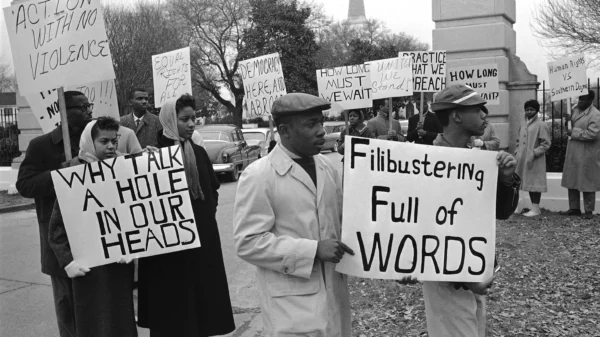








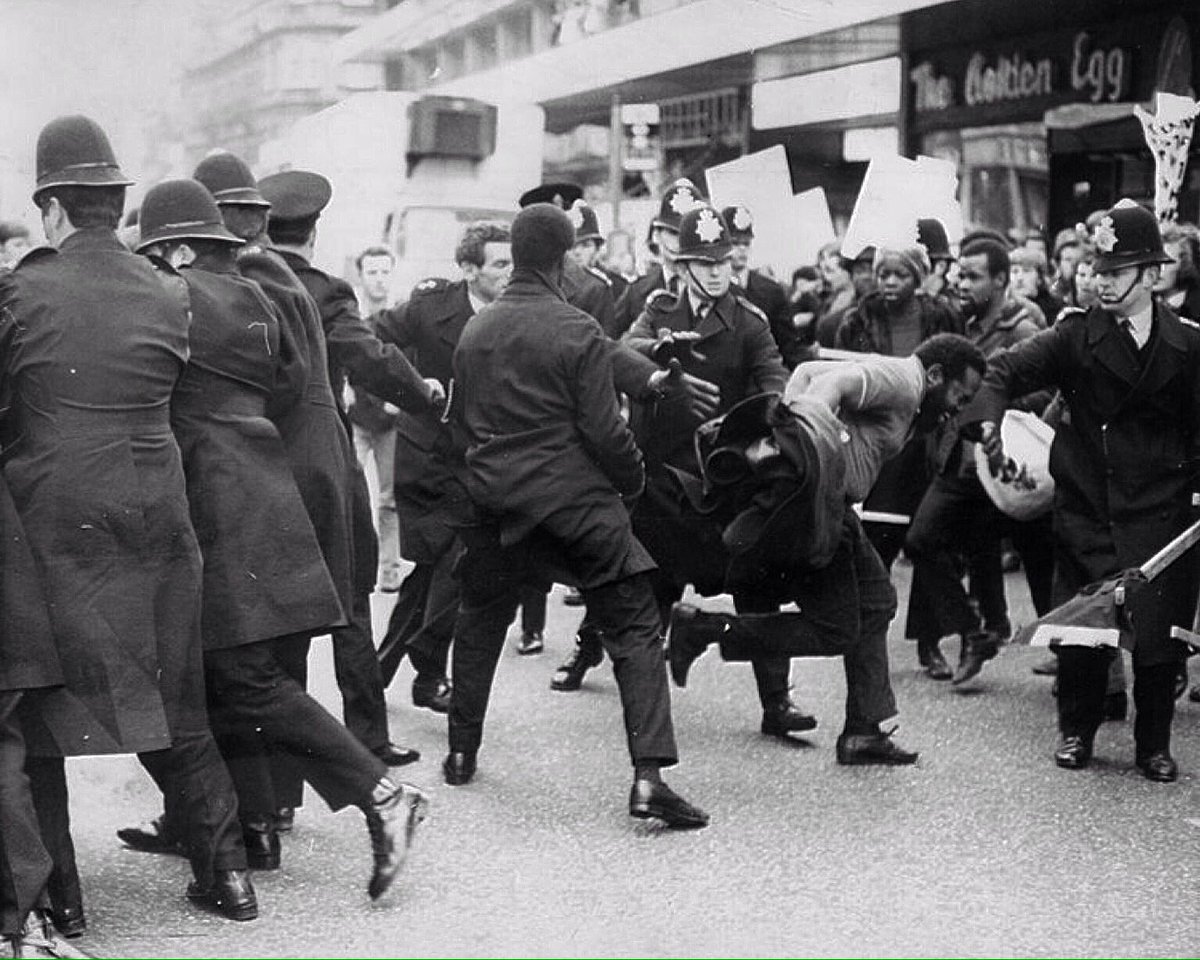

On an April day in 1981, local anger at entrenched racism and police mistreatment erupted onto the streets of south London.
It was Thatcher’s Britain, and social inequality was growing, with soaring unemployment rates among Black Britons.
The already iconic neighbourhood of Brixton has, in the 40 years since, become synonymous with the riots that followed, a moment which caused the powers-that-be to finally ask questions of themselves about policing, racism and identity.
While undoubtedly a watershed moment in the movement for race equality in Brixton – the Scarman report, produced in November of same year to examine the riot, acknowledged for the first time the discriminatory policing of Black people – 40 years later, and many locals are still questioning what has changed.
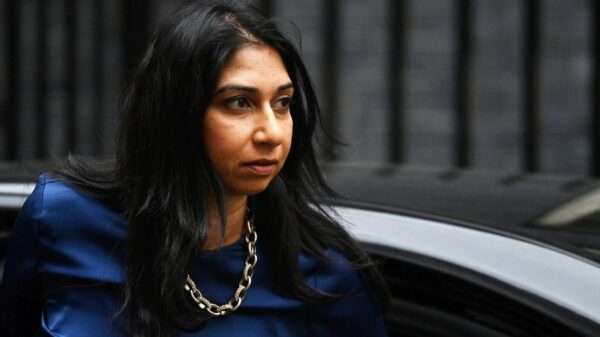
And this anniversary could perhaps not feel more relevant, following the recent publication of the government’s controversial and divisive race report – accused of glorifying slavery, it also denied the existence of institutional racism in the UK.
Across the Atlantic, Derek Chauvin is on trial for killing George Floyd, whose death led to global Black Lives Matter protests asking that basic human rights no longer be denied to people of a certain skin colour.
Source: INDEPENDENT