schedule: 2026-04-20 15:00
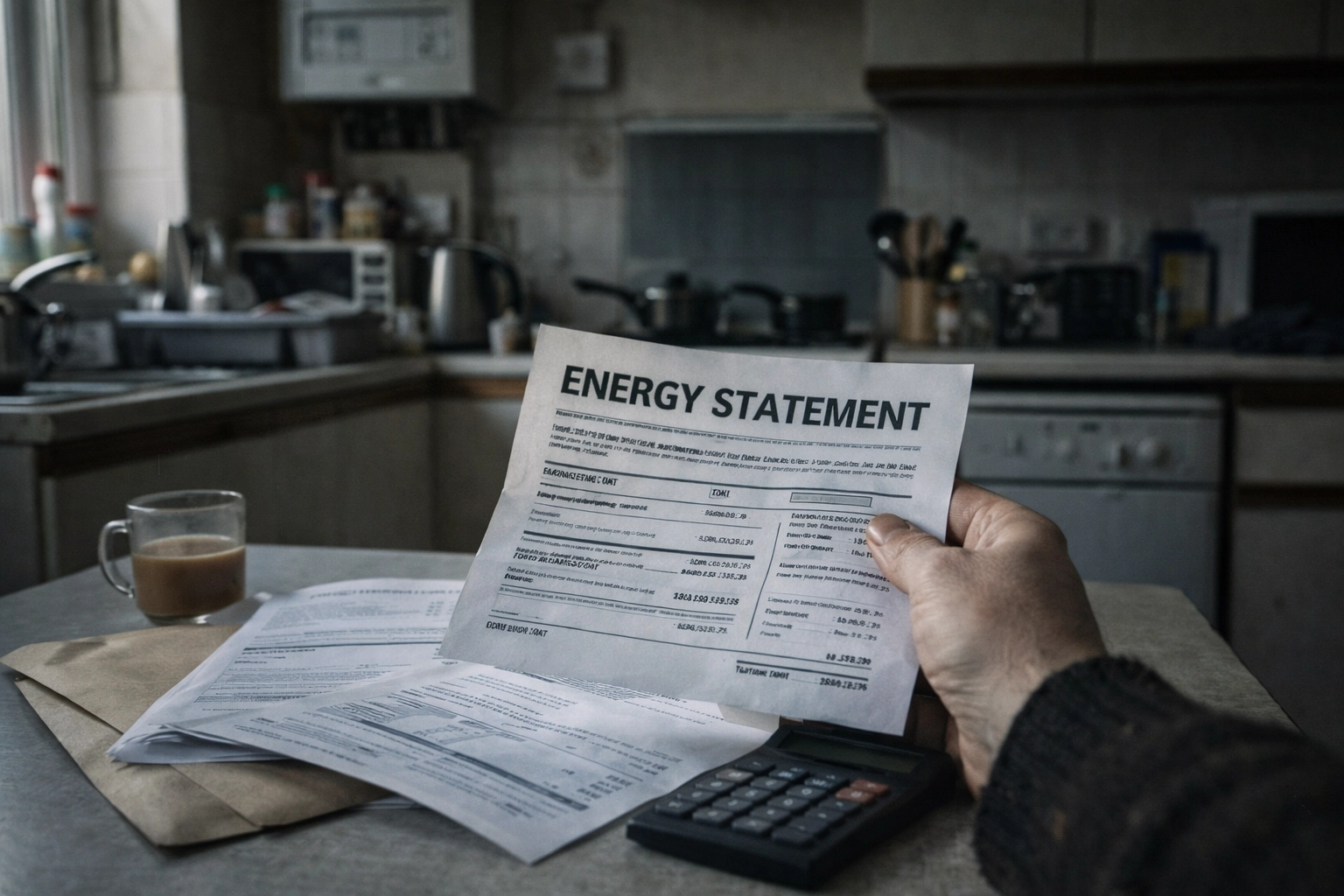
Opening an energy bill used to be a mundane task, a quick glance at a number that usually sat within a predictable range. But lately, for millions across Britain, that routine has been replaced by a genuine sense of dread. It is a familiar scene: you log into your account or tear open the envelope, only to see a figure that looks more like a mortgage payment than a monthly utility cost. If you have found yourself staring at your screen in disbelief, wondering how on earth you could have used that much electricity, you are certainly not alone. The reality is that the energy market is currently a complex web of rising rates, systemic errors, and hidden costs that often go underreported.
At NowPWR, we believe in bringing you the untold stories that affect your daily life. While headlines often focus on the broad strokes of global markets, the detail of why your specific bill is so high is where the real answers lie. As an outlet for independent news uk readers can trust, we have looked into the mechanics of the current energy crisis to understand why so many households are being overcharged and what can be done about it. It is not just about turning off the lights anymore; it is about a system that can feel weighted against the consumer.
The frustration is compounded by a lack of transparency. Many people feel they are shouting into a void when they try to challenge these charges. Whether it is the surge in standing charges or the baffling logic of "estimated" readings, the feeling of being powerless is pervasive. However, by breaking down the components of your bill and understanding the common pitfalls of modern energy accounting, you can start to piece together why that final number is so shocking.
The Hidden Culprits Behind the Surge
When we talk about being overcharged, it is important to separate the price per unit from the amount of energy being used. In the last few years, the UK has seen huge volatility in energy prices. Even as wholesale costs move around, the retail price for consumers often stays stubbornly high. One of the biggest factors that slips under the radar is the rise of the "standing charge". This is the fixed daily amount you pay regardless of how much energy you actually use. For many households, that charge has grown sharply, meaning that even if you cut back, your bill can still end up much higher than it was a few years ago.
Then there is the issue of always-on devices. We often hear that leaving a charger plugged in is wasteful, but the reality of modern home electronics is bigger than that. In 2026, our homes are more connected than ever. Smart speakers, Wi-Fi systems, security cameras, and standby modes on large televisions all contribute to a steady baseline energy draw that never really stops. These background loads can make up a noticeable share of a household electricity bill. When that is multiplied across a month of high unit rates, the final total starts to look far less random. It is one of the untold stories of modern living: convenience often comes with a constant, quiet cost.
Furthermore, the infrastructure of the UK’s energy grid is undergoing a major and expensive transition. As the country moves away from traditional fossil fuels, the costs of upgrading the grid to handle renewable sources and increased electricity demand are often passed on to consumers. These wider economic shifts trickle down to your kitchen table in the form of a few extra pence per kilowatt-hour, which quickly adds up over a cold British winter.
Systemic Errors and the Lack of Transparency
Perhaps the most frustrating reason for a high bill is not your usage at all, but a failure in the billing system itself. Despite the push for smart meters, millions of households still rely on estimated bills. If an energy provider has not received a manual reading, or if a smart meter has lost its data connection, the company may guess your usage based on past data. These estimates are often unreliable. In plenty of cases, they result in customers being asked to pay more than they actually owe.
There is also the issue of "catch-up" bills. This happens when a provider discovers it has been under-charging you for months because of its own error, then sends a large bill to correct the balance. While there are rules in place, including back-billing protections in some circumstances, the immediate impact of a four-figure bill can still be severe. Independent news uk coverage has repeatedly shown how difficult it can be for people to challenge charges that seem to appear out of nowhere.
The lack of transparency in how energy companies calculate projected usage is a major hurdle. For many families, the energy bill is one of the least clear documents they receive. It is often filled with jargon, different rates, and unclear credits or debits. That complexity makes it much harder to spot mistakes, which is one reason overcharging can go unchecked for too long.
Practical Steps to Take Back Control
So, what can you actually do when the bill on the mat feels ridiculous? The first step is to move away from the "estimate" trap. Even if you have a smart meter, it is worth doing a manual check once a month and comparing it with your statement. If there is a discrepancy, you have the right to ask for a corrected bill. Do not assume the technology is always right. Smart meters can fail, and data issues do happen.
Another area worth checking is the efficiency of your larger appliances. While people often focus on light bulbs, the bigger energy users are usually washing machines, dishwashers, tumble dryers, and older fridges or freezers. If your appliances are more than a decade old, they could be using far more energy than newer efficient models. Over time, that can make a real difference to your monthly costs.
Finally, do not be afraid to challenge your provider. There may still be meaningful differences in how companies handle standing charges, billing disputes, and customer support. If you feel you are being unfairly charged, keep records, take photos of your meter readings, and log every contact you make. The system may be complicated, but consumers do have rights. Staying informed, checking the details, and acting quickly when something looks off remain the best ways to avoid paying for energy you did not actually use.
Energy overcharging remains a serious issue for many households in the UK, driven by a mix of genuine price pressure and avoidable billing problems. Understanding where those costs come from can help people ask better questions and spot issues earlier. In a period where every household cost matters, clarity around energy bills is not a luxury; it is essential.