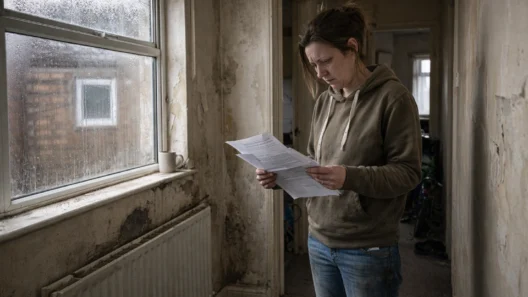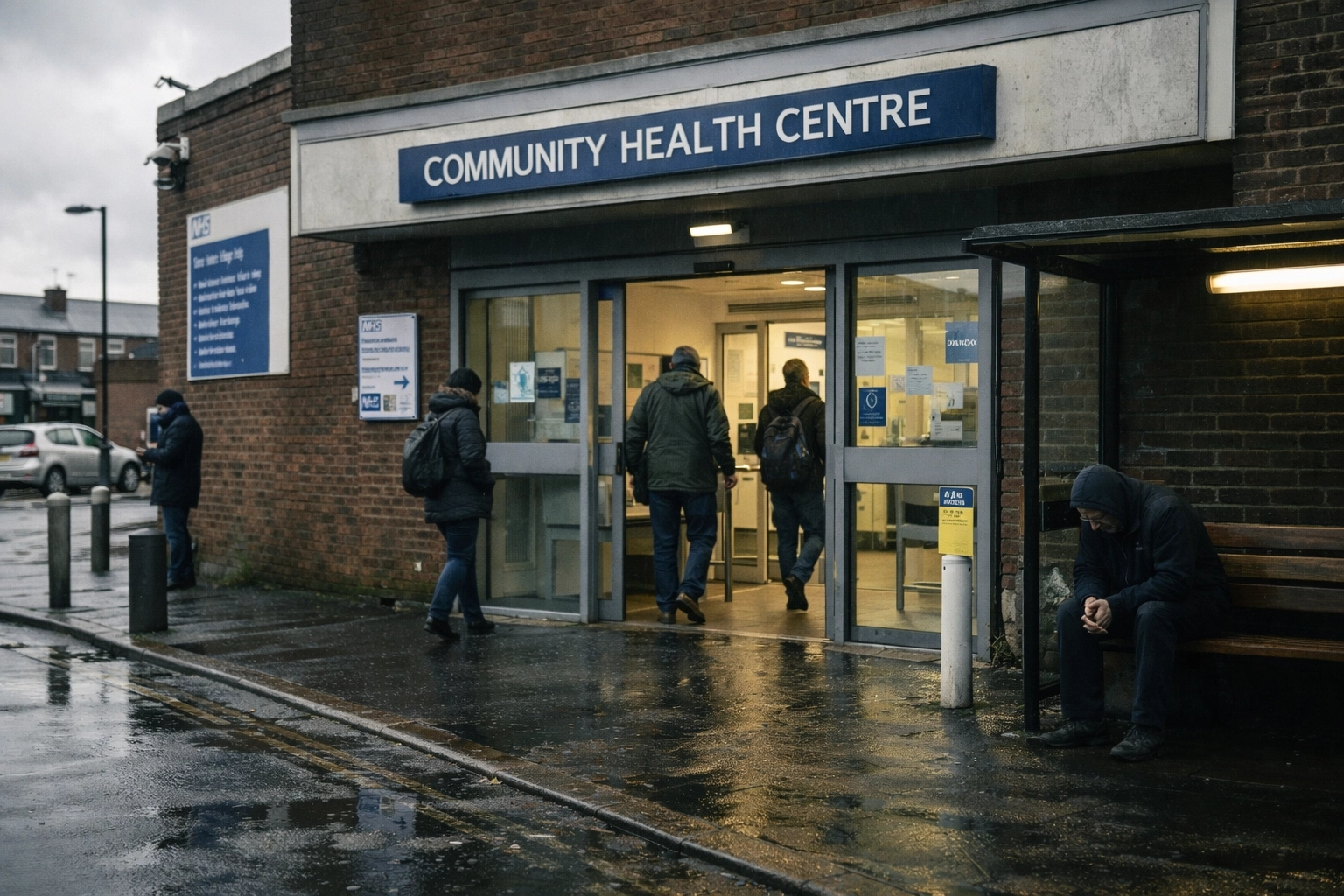
It is a core belief held by many across the country that the National Health Service is the great equaliser. The idea is simple: no matter who you are or where you live, you should have access to the same high-quality care. However, as we move through April 2026, the reality on the ground tells a very different story, particularly when it comes to mental health. For many families, the level of support they receive isn't determined by their clinical needs, but rather by the specific digits of their postcode. This phenomenon, often called the "postcode lottery," has become a defining feature of the UK’s healthcare landscape, leaving thousands of people in a state of geographical disadvantage.
At NowPWR, we believe in bringing you independent news uk can trust, highlighting the untold stories that often slip through the cracks. The disparity in mental health provision is one such story. It isn’t just about numbers on a spreadsheet; it is about the real-world consequences for people waiting months for a first appointment while their neighbours a few miles away in a different county are seen in a matter of days.
The term "postcode lottery" isn’t new: it has been part of the British lexicon since the late nineties: but the scale of the divide in 2026 is particularly striking. Whether we are looking at children’s services, adult crisis care, or access to innovative new treatments, the map of the UK is a patchwork of "haves" and "have-nots."
The Massive Gap in Funding and Support
When you look at the raw data surrounding mental health funding, the gaps are nothing short of staggering. Research into prevention and early intervention services has shown that the financial commitment from local authorities and health boards varies wildly. In some areas of England, the top-performing quarter of local authorities are spending upwards of £1.1 million on early-stage mental health support. In contrast, the bottom-performing quarter are allocating as little as £180,000 for the same types of services.
This isn’t just a minor administrative difference; it represents a fundamental divergence in how mental health is prioritised. For a child growing up in a high-funding area, there might be robust school-based counselling, community youth hubs, and rapid intervention programmes. For a child in a low-funding area, those services simply do not exist. On average, the spend per child on low-level mental health services sits at around £14. However, that average hides the fact that some Clinical Commissioning Groups and their successor Integrated Care Boards have been found to spend five or six times more per head than their counterparts in different regions.
The North-South divide also remains a persistent factor. Historically, areas in the North of England have seen slightly higher spending per child compared to the Midlands or East of England, yet demand in those areas often outstrips the available resources because of higher levels of socio-economic deprivation. As an independent news uk source, it is worth pointing out that these financial decisions are often made behind closed doors, creating untold stories of frustration for local GPs who want to refer patients but find the pathways are essentially blocked by a lack of local investment.
Furthermore, real-term cuts have bitten deep. Roughly 60% of local authorities have had to reduce their mental health funding in real terms over the last few years. This means that even if the nominal amount of money stays the same, the actual ability to provide care has diminished as staffing and facility costs rise. When local budgets are squeezed, the "non-statutory" early intervention services are often the first to go, leaving only the most expensive, late-stage crisis services remaining. This creates a cycle where people only receive help once they have reached a breaking point, which is both less effective for the patient and more expensive for the taxpayer.
Waiting Times and the Regional Divide
Perhaps the most visible and painful aspect of the postcode lottery is the variation in waiting times. Time is of the essence when dealing with mental health; a delay of a few weeks can be the difference between a manageable condition and a total life upheaval. Yet, the statistics show a country divided by the clock.
In some parts of the UK, such as Leicester, children and young people have historically been able to access treatment within an average of 13 days from their initial referral. This is an example of what is possible when systems are integrated and properly resourced. However, if you move across the map to an area like Sunderland, that wait time has been known to balloon to 80 days or more. Imagine being a parent watching your child struggle with severe anxiety or depression and being told that help is nearly three months away. The psychological toll of that wait is an untold story in itself, affecting the education, social lives, and long-term development of an entire generation.
These delays aren’t just limited to children’s services. Adult mental health waiting lists have seen similar fluctuations. While the government often points to record levels of total investment, the delivery of that investment is patchy. The "referral to treatment" target is frequently missed in rural areas where staffing shortages make it difficult to run consistent clinics. In these regions, patients often find themselves travelling long distances to access basic therapy, or relying on overstretched emergency departments because there are no community-based alternatives.
The issue is compounded by the fact that waiting times are increasing for the first time in several years in many jurisdictions. This suggests that despite greater awareness of mental health issues, the system is struggling to keep pace with demand. When you live in a "wait-time hotspot," the quality of the NHS feels very different from how it is described in national policy documents. It becomes a system of survival rather than a system of care.
Moving Towards a Fairer Future for Care
Solving the postcode lottery isn't just about throwing more money at the problem; it’s about addressing the structural inequalities in how care is delivered. One of the most telling examples of the current disparity is the availability of specialist treatments. Take, for instance, repetitive transcranial magnetic stimulation (rTMS). This is a NICE-approved treatment for depression that has been available for years, yet it is currently only offered by about one in seven NHS Trusts. If you live in the right area, you can access this innovative, non-invasive therapy. If you don't, your options remain limited to traditional medication or long waiting lists for talk therapy.
To move toward a fairer future, there needs to be a standardisation of service levels that is enforced across all regions. We need to move away from a system where "localism" is used as an excuse for poor performance. While it is important for local health boards to have the flexibility to meet the specific needs of their communities, that flexibility should never result in a total absence of core services.
Untold stories of recovery are possible when people get the right help at the right time, regardless of their address. This requires a national commitment to early intervention. If we can shift the focus from crisis management to prevention, we can reduce the overall burden on the NHS and ensure that people don't fall through the safety net. This also involves better support for local authorities, who are often the ones responsible for the social factors that influence mental health, such as housing, employment support, and community centres.
As we look ahead, the role of independent news uk outlets like NowPWR is to keep the pressure on. By highlighting these regional inequalities, we can encourage a more honest conversation about what it means to have a national health service. The goal should be a system where the care you receive is based on the symptoms you have, not the map coordinates of your front door.
Achieving this will require transparency, a redistribution of resources to the most underserved areas, and a willingness to learn from the regions that are getting it right. The postcode lottery is a stain on the promise of universal healthcare, but with the right policy shifts and a focus on equity, it is a problem that can be solved. For now, the challenge remains for those living in the wrong postcodes, waiting for a system that promised to be there for everyone to finally catch up with them.
In the end, mental health is a universal human experience. It does not respect borders or postcodes, and our healthcare system should not either. The disparity in care is a complex issue rooted in funding models and regional policy, but the solution must be simple: equal access for all. Continued advocacy and clear reporting on these untold stories remain essential if the postcode lottery is ever to become a thing of the past.
A fairer system will depend on consistent standards, clearer accountability and faster access to support in every part of the country. That remains the central issue for patients, families and local services alike.