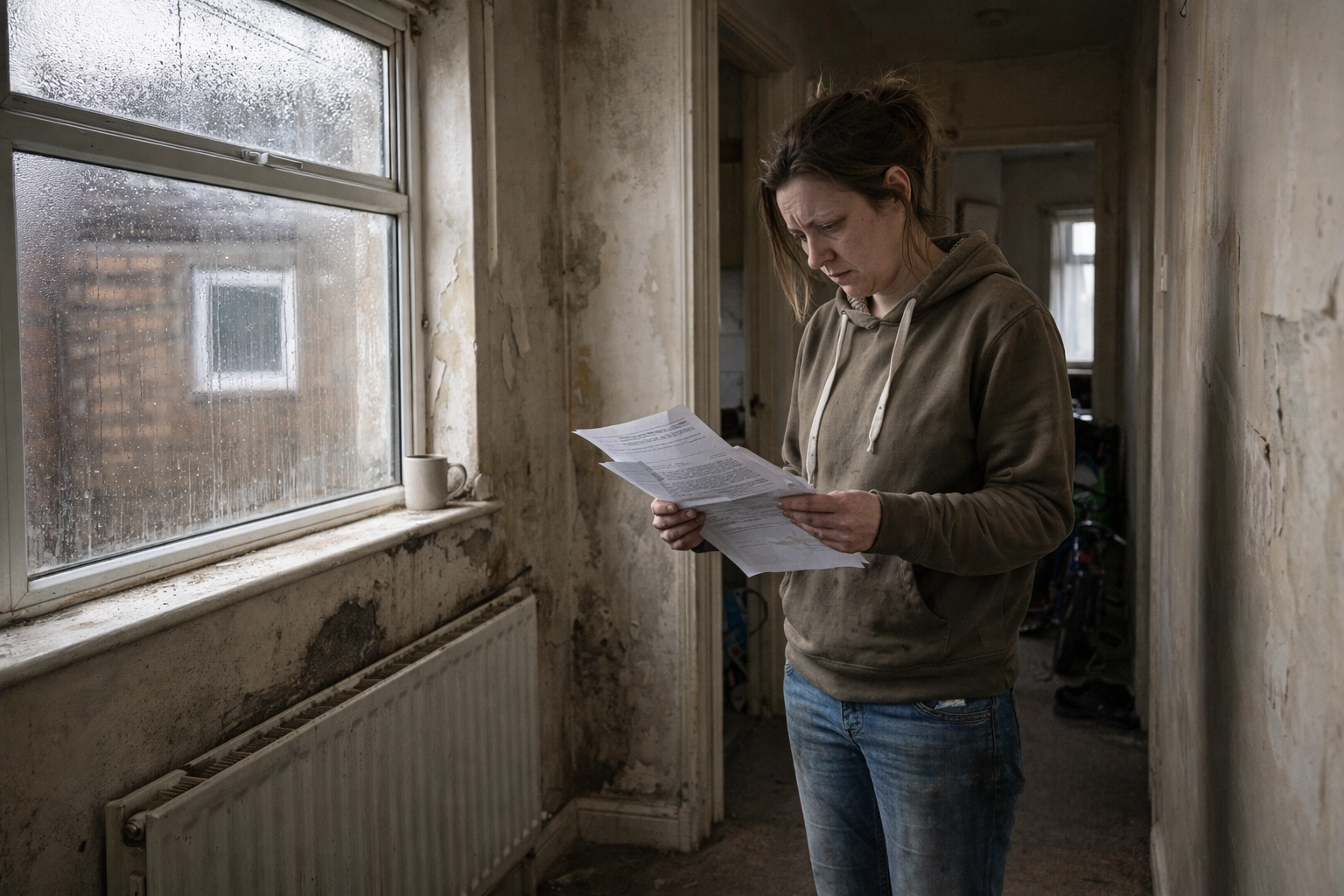
Finding a place to call home in Britain has become something of a national endurance sport. For millions of people across the country, the dream of homeownership has been replaced by the reality of long-term private renting. While many landlords provide safe, high-quality housing, a growing shadow is being cast over the sector by what have become known as rogue landlords. At NowPWR, we cover independent news uk and untold stories that bring these everyday pressures into sharper focus for readers who want a clearer view of what is really happening.
The crisis isn’t just about high rents or stiff competition for flats. It’s about the fundamental safety and dignity of the people living inside these properties. When we talk about a housing crisis, we often focus on supply and demand, but the quality of the existing stock is just as critical. For a significant portion of the population, "home" is a place defined by damp walls, faulty wiring, and the constant, nagging fear that asking for repairs might result in an eviction notice. This is the reality of the rogue landlord crisis in 2026.
The Real Cost of Renting
To understand the scale of the issue, we have to look at the numbers, and they are frankly staggering. Recent data suggests that roughly 1.6 million people in England are currently living in privately rented homes that pose an imminent risk to their health and safety. We aren't talking about peeling wallpaper or dated kitchens; we are talking about Category 1 hazards. These are issues like severe mould that causes respiratory problems, exposed electrical wiring, and a total lack of fire safety measures. It is estimated that nearly one-third of all private rented homes in the country fail to meet the national Decent Homes Standard.
For many, the cost of renting isn’t just financial; it’s physical and emotional. Living in a sub-standard home takes a massive toll on mental health. There is a specific kind of stress that comes with knowing your landlord is cutting corners, and that stress is compounded by the power imbalance inherent in the current system. The rise of "revenge evictions" has been a particularly dark chapter in the story of British renting. This is where a tenant reports a genuine fault: perhaps a broken boiler in the middle of winter: and the landlord responds not with a plumber, but with a Section 21 notice.
This practice has turned the rental market into a "keep your head down" environment. Tenants are often too scared to exercise their legal rights because the risk of being made homeless is too high. In fact, since 2011, nearly 80 percent of the increase in homelessness has been attributed to people being evicted from the private rented sector. When we look at these untold stories, we see a pattern of vulnerability that the current legislation has struggled to address. The human cost is found in the children growing up in damp bedrooms and the elderly tenants afraid to turn on the heating because the windows don’t close properly.
Why the System Keeps Failing
If the laws are there to protect tenants, why is the crisis still so pervasive? The answer lies in a massive breakdown in enforcement. While the government can pass as many regulations as it likes, those regulations are only as good as the teams on the ground tasked with enforcing them. Local councils are the front line in the battle against rogue landlords, but they are currently fighting with one hand tied behind their backs. Years of budget constraints have left housing departments understaffed and overstretched.
Research into council activity across England reveals a worrying trend. Despite hundreds of thousands of complaints being lodged by tenants every year, the number of actual prosecutions or financial penalties remains incredibly low. Many councils have not issued a single financial penalty to a rogue landlord in the last five years. Others have never prosecuted a landlord at all. When council enforcement officers are at a breaking point, the rogue elements in the market feel emboldened. They know that the chances of being caught, let alone punished, are slim.
The legal process itself is also a major hurdle. Prosecuting a landlord is a time-consuming and expensive endeavour for a local authority. When faced with the choice between a lengthy legal battle and using limited funds for other essential services, many councils are forced to prioritise the latter. This creates a vacuum where bad practice can flourish. For our independent news uk coverage, it is vital to point out that this isn't just a failure of individual councils, but a systemic issue where the resources provided do not match the scale of the enforcement required to protect citizens.
What Needs to Change Next
There is, however, a glimmer of hope on the horizon. The legislative landscape is shifting, albeit slowly. The Renters Reform Bill has been a major talking point in Parliament, aiming to level the playing field between tenants and landlords. One of the most significant proposed changes is the abolition of "no-fault" evictions. By removing the ability for landlords to evict tenants without a specific reason, the government hopes to give renters the security they need to speak up about poor conditions without fear of reprisal.
The bill also aims to introduce a new Ombudsman for the private rented sector, providing a way for disputes to be settled without the need for expensive court dates. Additionally, a digital property portal is intended to help tenants verify that their landlord is compliant with safety standards before they even sign a lease. These are positive steps, but the effectiveness of these measures will ultimately depend on how they are implemented. If the new laws aren't backed up by significant funding for council enforcement teams, they risk becoming another set of rules that exist only on paper.
Furthermore, we must consider the perspective of the broader housing market. While the focus is rightly on rogue landlords, it is important to maintain a healthy environment for the many responsible landlords who provide essential housing stock. Increasing the regulatory burden without providing the proper infrastructure to support it can sometimes lead to good landlords leaving the market, which can inadvertently drive up rents or reduce availability. Balancing tenant protection with a sustainable rental market is the great challenge of the coming years.
The rogue landlord crisis is a complex tapestry of economic pressure, legislative gaps, and human struggle. It requires more than just a few new rules; it requires a fundamental shift in how we value the private rented sector as a core component of our national infrastructure. As we continue to cover these untold stories, the focus remains on ensuring that everyone in Britain has access to a home that is not just four walls and a roof, but a safe and secure foundation for their lives.
In summary, the private renting sector in the UK is facing a period of overdue scrutiny and reform. Unsafe housing and weak enforcement against rogue landlords have created a crisis that affects millions of renters. While measures such as the Renters Reform Bill could improve protections, their success will depend heavily on proper enforcement and support for local authorities. Ensuring safety, stability and fairness for tenants remains an urgent national priority.