It is a name that sounds like something out of a dark children's fable, but for those living in the shadow of the "Beastie House" in Glasgow, the reality was far more terrifying than any storybook. This wasn't a myth; it was a living nightmare, a drug den where a brutal paedophile ring operated for years, preying on some of the most vulnerable members of society. As part of our commitment to independent news uk, we believe in shining a light on the untold stories that mainstream headlines often move past too quickly. This isn't just a story about a crime; it’s a story about a catastrophic failure of the systems designed to keep our children safe.
When we talk about safeguarding, we often think of paperwork, background checks, and official protocols. But what happens when those protocols are followed on paper while children are being hurt in the real world? The Beastie House case is a stark reminder that a system is only as good as the people and the communication channels that support it. In this instance, the "safety net" didn't just have holes in it; it seemed to have dissolved entirely.
The Warning Signs That Went Unheeded
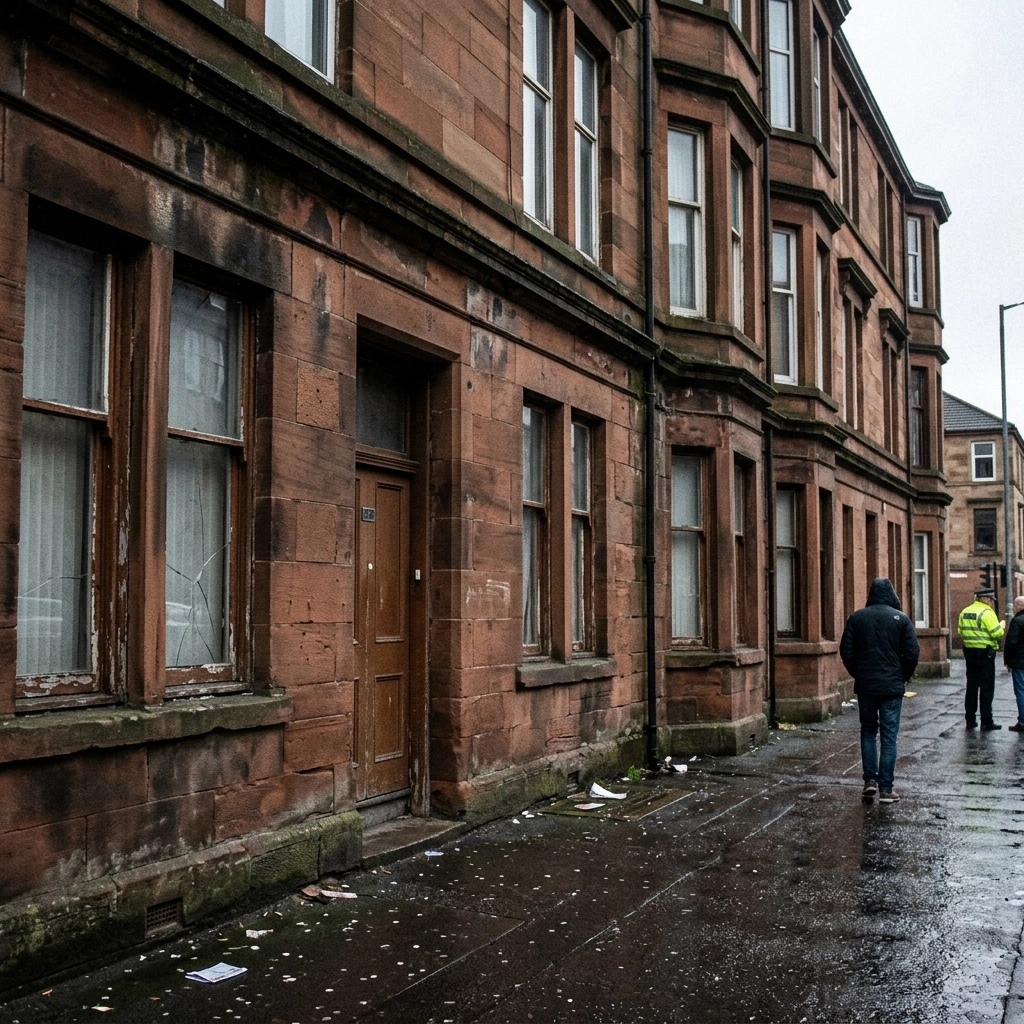
The Beastie House didn't appear overnight. It was well-known in its local Glasgow community as a hub for drug activity and anti-social behaviour. For years, residents saw the comings and goings of individuals who had no business being around children. The "Beastie House" moniker itself was a chilling local nickname that hinted at the monsters lurking within. Yet, despite the notoriety of the address, the abuse continued.
One of the most heartbreaking aspects of this case is that many of the children involved were already "on the radar." They were listed on the child protection register, meaning that social services and other agencies were already aware that these children were at risk. When a child is on that register, it’s supposed to trigger a higher level of scrutiny and frequent check-ins. In the case of the Beastie House victims, that scrutiny didn't lead to intervention. The children were known to agencies with a duty of care, yet they were still allowed to fall into the clutches of a predatory ring.
You have to ask how a drug den can operate so openly while agencies tasked with child protection are supposedly monitoring the very children entering its doors. It suggests a massive disconnect between the police, social services, and the community. In many "untold stories" like this one, we find that information exists in silos. The police might know about the drug activity, while social services know about the children's vulnerability, but if those two pieces of the puzzle aren't put together, the bigger picture of a predatory ring remains hidden. At NowPWR, we value transparency in how these stories are reported, which you can learn more about in our editorial standards and ethics policy.
Why the Systemic Safety Net Frayed
The failure in Glasgow wasn't just down to one person or one missed meeting. It was a systemic collapse. Politicians have since described it as a "catastrophic failure at every single level." When children who are already flagged as being at high risk are still subjected to prolonged abuse, it points to a culture of complacency or, perhaps more accurately, a system that is so overwhelmed and under-resourced that it can no longer perform its primary function.
In Scotland, the debate around this case has been fierce. Figures like Ash Regan of the Alba Party have rightly demanded to know how this could happen in a modern society with such robust-looking safeguarding laws. The hard truth is that safeguarding isn't just about having laws; it’s about having the eyes and ears on the ground to enforce them. It’s about social workers having the time to actually visit homes and the authority to act when something feels wrong.
Community silence also played a role, though we must be careful not to blame the neighbours. In many areas where drug dens like the Beastie House flourish, there is a palpable sense of fear. If the authorities aren't seen to be acting, why would a resident risk their own safety by speaking out? This creates a vacuum where predators can operate with near-impunity. The "Beastie House" lasted as long as it did because the people inside knew that the system was too slow, too fragmented, or too busy to stop them. It’s a recurring theme in the untold stories of child abuse across the UK: the predators are often better organised than the agencies meant to stop them.
The Long Road to Accountability and Change
Following the exposure of the ring, the Scottish Government has been pushed to take definitive action. An independent review is currently underway to look at exactly what went wrong and why the interventions that should have happened never did. This isn't just about pointing fingers; it’s about making sure that no other child has to step foot in a place like the Beastie House again. We need to understand if the failures were due to a lack of funding, a lack of communication, or a fundamental flaw in the child protection register system.
The review is expected to look at the "duty of care" protocols. If a child is on a register, who exactly is responsible for their daily safety? Is it a single social worker, or a team? And what happens when that social worker is off sick or leaves their post? These are the granular details that can mean the difference between a child being saved and a child being failed. Safeguarding needs to be proactive, not reactive. We shouldn't be waiting for a "Beastie House" to be uncovered to realise the system is broken.
There is also a call for better support for whistleblowers within the system. Sometimes, professionals on the front line see the warning signs but feel they can't speak up because of red tape or a "don't rock the boat" culture. If we want to prevent these kinds of tragedies, we need a system that rewards vigilance rather than one that hides behind bureaucratic procedures. At NowPWR, we believe that providing independent news uk is a vital part of this accountability process. By keeping the pressure on and refusing to let these stories fade away, we can help ensure that the promised reviews actually lead to meaningful change.
The legacy of the Beastie House is a painful one for the city of Glasgow. It serves as a grim reminder that even in a world of digital tracking and constant connectivity, children can still go "missing" in plain sight. They can be known to the authorities, have their names on lists, and have folders full of notes written about them, and yet still be left entirely unprotected.
As we look forward, the focus must remain on the victims. They were failed by the people who were supposed to protect them, and they were failed by a society that allowed a "Beastie House" to become a local landmark rather than a police priority. The path to healing for the community and for the survivors is long, but it starts with the truth. It starts with admitting that the system failed and making a genuine, well-funded effort to fix it. We owe it to every child on a protection register to ensure that their name on a list actually means something.
Safeguarding is a collective responsibility. It’s about the police, social services, schools, and the community working in a joined-up way. If this case teaches us anything, it’s that when the links between these groups break, it’s the most vulnerable who pay the price. We will continue to follow this story and others like it, providing a platform for the untold stories that demand our attention and our action.