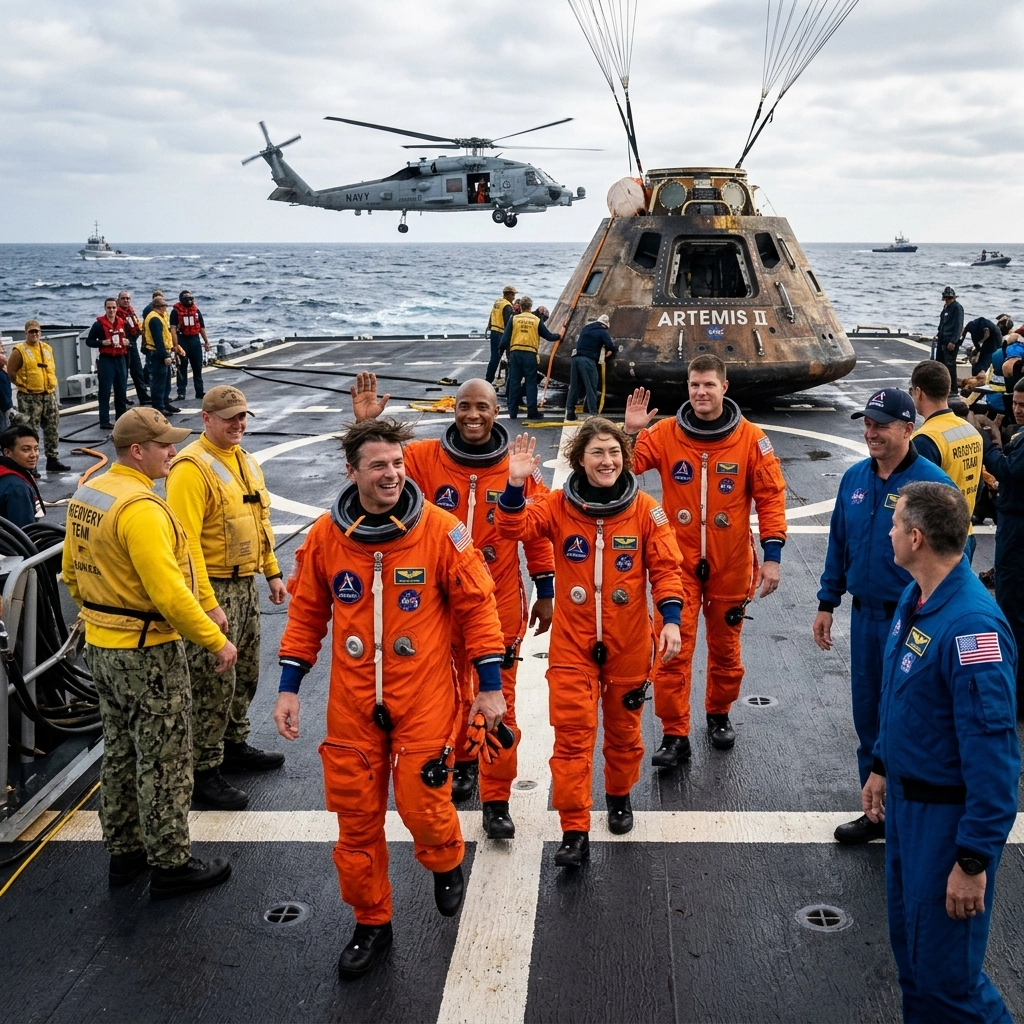
History has been rewritten in the stars, and the ink is still drying on the most ambitious chapter of human spaceflight in over half a century. On 10 April 2026, the world stood still as the Orion spacecraft tore through the Earth's atmosphere, carrying four heroes back from the abyss. The Artemis II mission was more than just a flight; it was a triumphant declaration that humanity is no longer content with just looking at the Moon: we are going back to stay.
The crew, consisting of Commander Reid Wiseman, Pilot Victor Glover, and Mission Specialists Christina Koch and Jeremy Hansen, completed a record-shattering lunar flyby that pushed the boundaries of what we thought possible. As they stepped out onto the deck of the USS John P. Murtha, the message was clear: the Moon is no longer a distant dream, but a destination within our grasp. At NowPWR, we have been following every second of this journey, and the details emerging from the mission debriefs are nothing short of legendary.
The Giant Leap to the Far Side of the Moon
The mission began with a roar that shook the Florida coastline, but the real magic happened hundreds of thousands of kilometres away. The timeline of Artemis II was a masterclass in precision and grit. Following a flawless launch and two complex orbits around Earth to test the life-support systems, the crew engaged the Trans-Lunar Injection. This was the moment they left the safety of Earth’s orbit and began their 694,392-mile odyssey.
By the fourth day, the crew reached the Moon. But they didn't just visit; they ventured further into the deep black than any human in history. Passing over the lunar far side, the astronauts experienced a profound isolation known to only a handful of people in existence. It was during these hours that some of the most compelling untold stories of the mission were forged. Cut off from the constant chatter of Mission Control by the massive bulk of the Moon, the crew described a silence so absolute it felt physical.
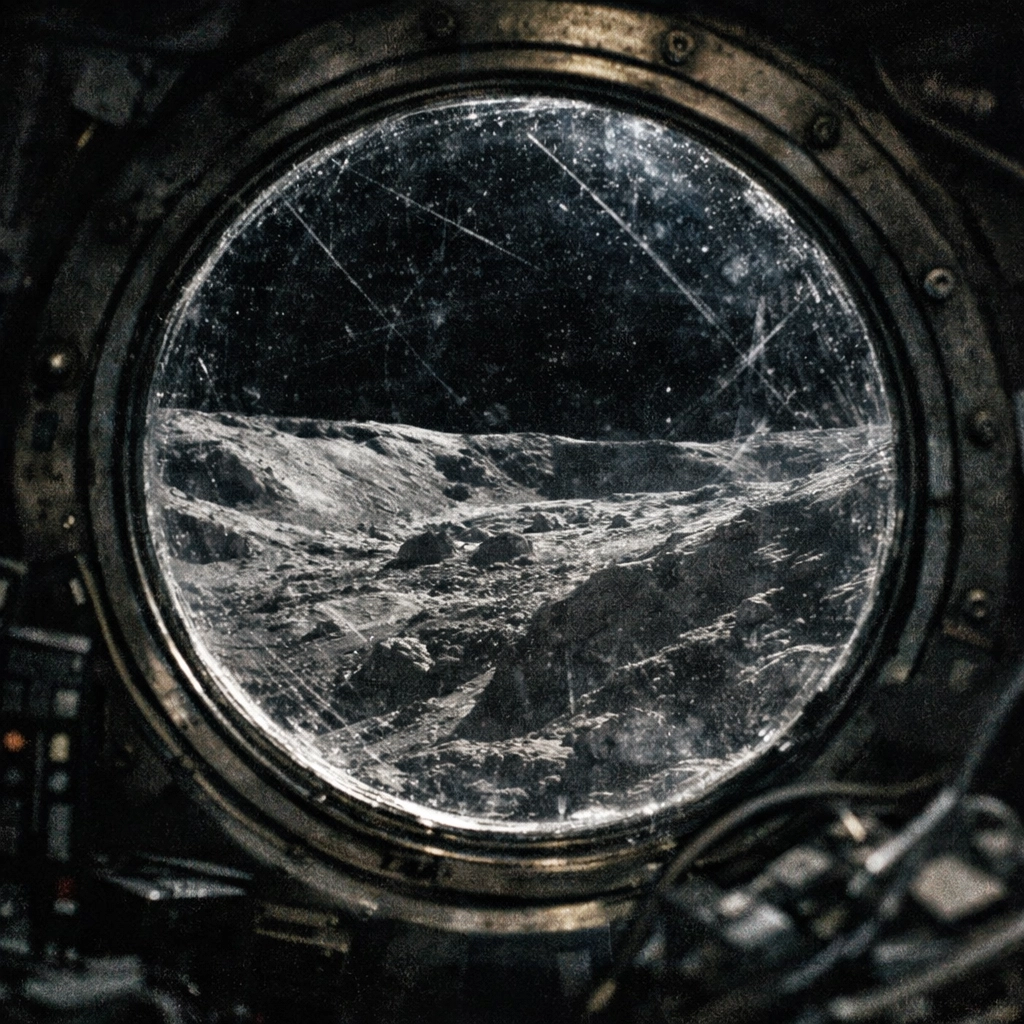
"You realise how fragile everything is when the entire Moon is between you and every person you’ve ever loved," one crew member noted in a recorded log. They weren't just passengers; they were pioneers managing a spacecraft through a landscape that hadn't seen human presence since the 1970s. The untold stories of their time in the shadow: adjusting to the shifting light and the eerie glow of the lunar surface reflecting off the Orion’s hull: give us a glimpse into the psychological fortitude required for deep-space travel. They captured high-resolution imagery of the lunar eclipse and Earth-set, moments that reminded everyone back home why we invest in the exploration of the unknown.
Pushing Limits and Breaking Records
While the mission was a triumph of the human spirit, it was also a staggering technical achievement. Artemis II didn't just follow in the footsteps of Apollo; it sprinted past them. The mission set a new record for the farthest distance humans have ever travelled from Earth, reaching a staggering 252,756 miles. This eclipsed the record held by the Apollo 13 crew for decades. This wasn't just about bragging rights; it was a critical stress test for the hardware that will eventually carry humans to Mars.
Behind the scenes, the crew dealt with the realities of living in a small capsule for ten days. These are the untold stories of spaceflight: the constant battle with microgravity, the meticulous management of water and waste, and the intense focus required to monitor every valve and sensor. Victor Glover, the pilot, spoke about the "dance" of managing the Orion’s systems, describing the spacecraft as a living, breathing entity that required constant attention. The Inside look at their daily routine reveals a crew that worked with the synergy of a single organism.
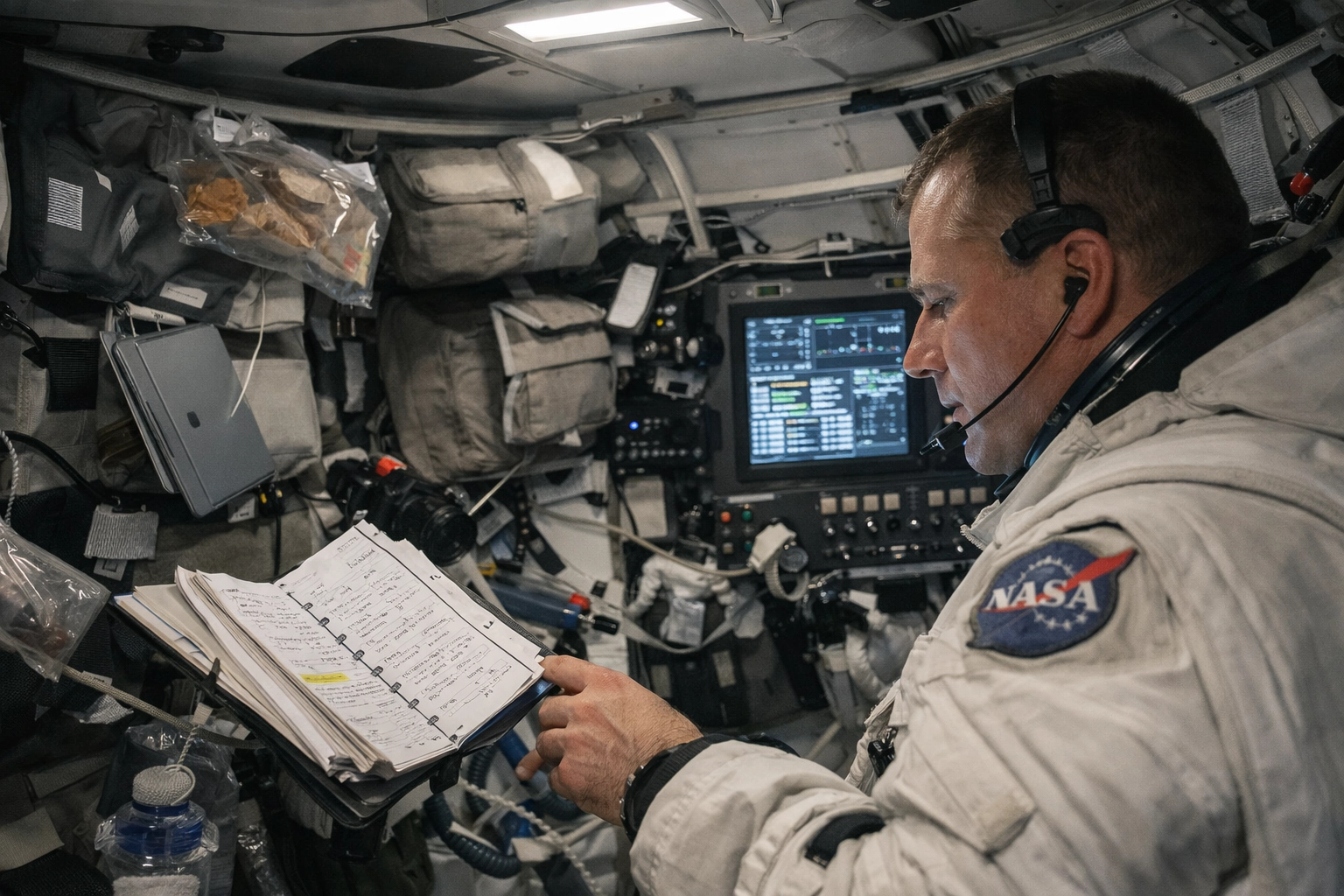
Jeremy Hansen, representing the Canadian Space Agency, brought a unique perspective to the mission. His presence marked the international nature of this new era of exploration. The crew's training, which spanned three years, was evident in their seamless execution of the lunar flyby. They weren't just following a checklist; they were innovating on the fly. When a minor sensor glitch occurred during the return leg, the crew’s calm, calculated response ensured that the mission remained on track without a second of panic. This level of professionalism is what separates legends from the lucky.
The Fire of Re-entry and a Golden Splashdown
The final hurdle of the mission was perhaps the most terrifying. To get home, the Orion had to survive a descent that would incinerate anything less than perfect. On the morning of 10 April, the capsule hit the Earth’s atmosphere at a mind-boggling 24,000 miles per hour. The friction of the air against the heat shield generated temperatures approaching 5,000°F (roughly 2,760°C). Inside, the crew felt the crushing weight of several Gs as they slowed down from orbital speeds to a manageable descent.
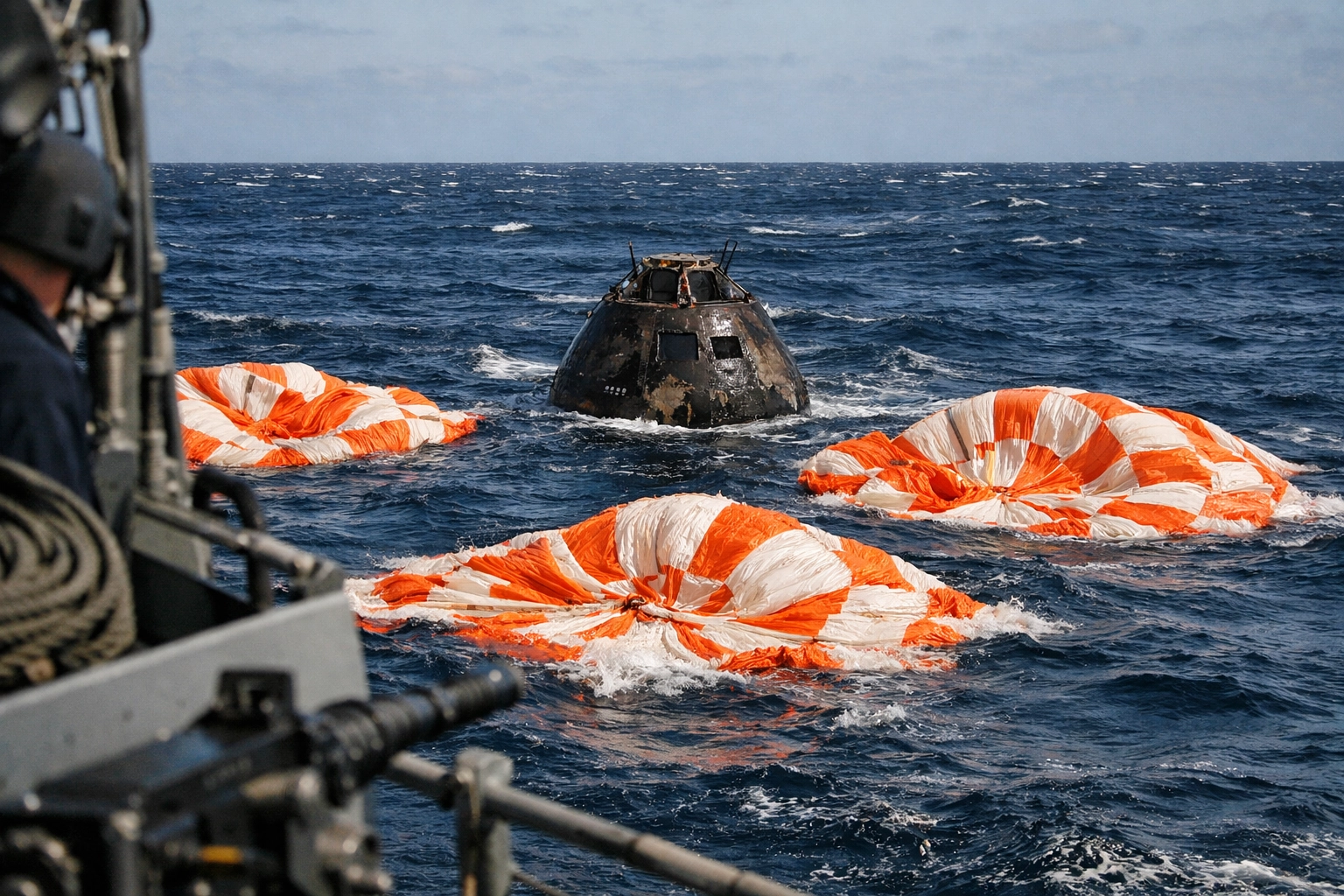
During the "blackout" period, where the heat of re-entry creates a plasma sheath that cuts off all radio communication, the world waited in a collective silence. For thirteen minutes, the Artemis II crew were alone in a fireball. The untold stories of those minutes involve a crew that remained focused on their instruments even as the windows turned a blinding, molten orange. When the three massive orange-and-white parachutes finally unfurled against the blue San Diego sky, a roar of relief went up from Mission Control and living rooms across the globe.
The splashdown in the Pacific Ocean was as gentle as a 15-mph drop could be. Recovery teams from the U.S. Navy were on the scene within minutes, but the crew remained inside the capsule for a short period to regain their "Earth legs." When the hatch finally opened and the four astronauts emerged, waving to the recovery teams and the cameras, it was clear that they had returned changed. They had seen the world as a "blue marble" in a way few ever will, and they brought back the data and the inspiration that will fuel the Artemis III moon landing and beyond.
The success of Artemis II marks the end of the beginning. We have proven that our technology can sustain life in the deep reaches of space and that our astronauts have the grit to handle the journey. The mission timeline, from the thunderous launch to the tranquil splashdown, serves as a blueprint for the future. As the crew begins their post-flight medical evaluations and debriefs, the global community is already looking toward the next horizon. We aren't just visiting the Moon anymore; we are reclaiming our place among the stars.
The return of the Artemis II crew is a victory for every person who has ever looked up at the night sky and wondered. It is a testament to what can be achieved when international cooperation, cutting-edge science, and raw human courage converge. The legends have returned, but the story is only just starting.
The Artemis II mission successfully demonstrated the capabilities of the Orion spacecraft and the Space Launch System, paving the way for future crewed missions to the lunar surface. The data collected during the ten-day flight will be instrumental in refining the procedures and technologies required for the Artemis III mission, which aims to land the first woman and the next man on the Moon. As the crew undergoes their recovery process, the global space community continues to analyse the mission's outcomes to ensure the safety and success of upcoming lunar explorations.