Q: What is the Norfolk sand battery pilot, and why does it matter?
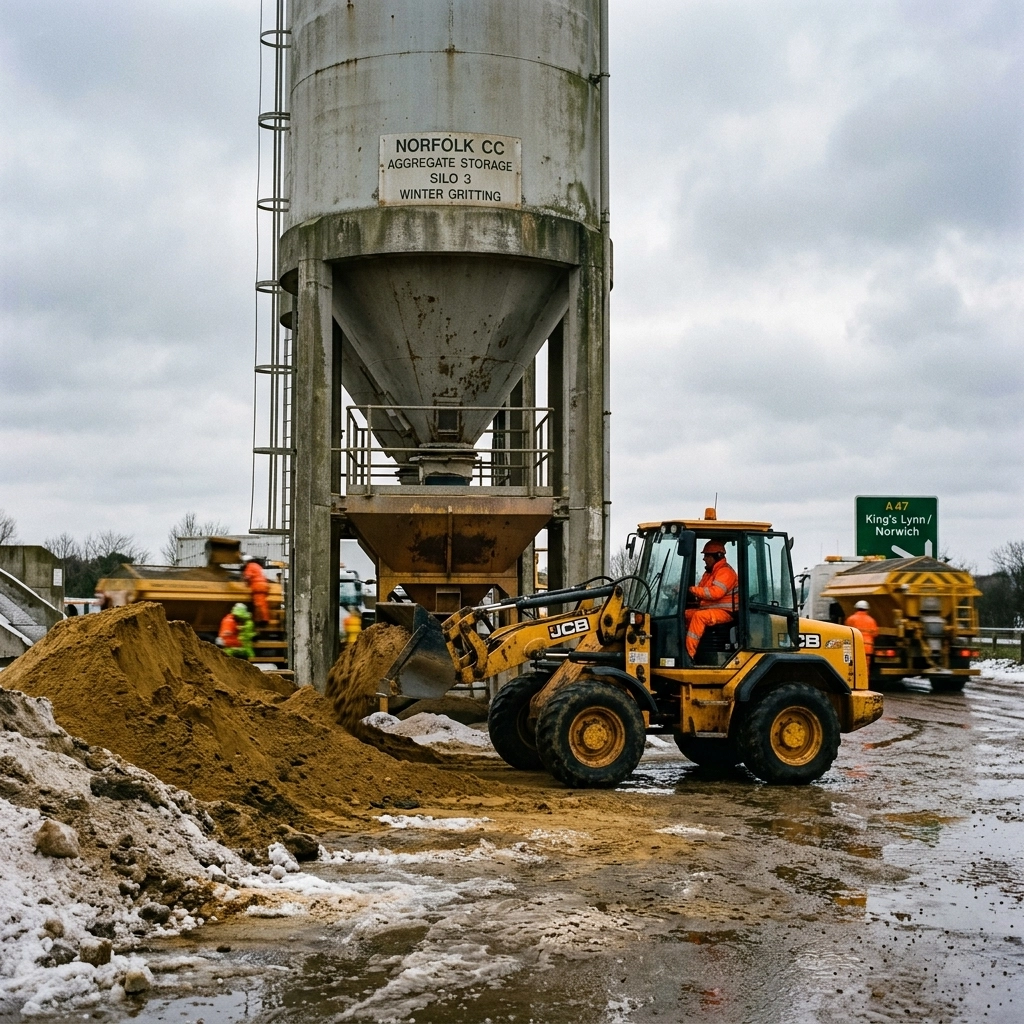
A: It is a practical energy storage trial built around a surprisingly simple idea: heat sand when renewable power is plentiful, then use that stored heat later when demand rises. In Norfolk, where offshore wind and other clean energy sources can generate more electricity than the grid immediately needs, that matters a lot. Instead of wasting surplus power, the pilot stores it as heat inside an insulated silo filled with ordinary sand. That heat can then support local buildings during colder periods, especially in winter.
What makes it stand out is how direct the solution is. No flashy gimmicks, no overcomplicated tech spin, just a solid answer to a very real problem. For readers following independent news uk, this is one of those untold stories that deserves far more attention because it shows how local innovation can tackle national energy pressure in a clear, workable way.
Q: How does a sand battery actually work?
A: The system uses excess renewable electricity to heat construction-grade sand to very high temperatures, typically around 500°C to 600°C. That heat is stored inside a heavily insulated steel silo, where the sand holds thermal energy for long periods with relatively low heat loss. When heat is needed, air or water passes through the system, picks up the stored warmth, and carries it into a local heating network.
That matters because conventional battery talk often centres on lithium-ion technology, which can be costly to scale and brings environmental and supply-chain concerns. Sand offers a completely different route. It is abundant, affordable, and durable over repeated heating cycles. In the Norfolk pilot, the design aims to recover most of the stored energy as usable heat across the year, making it a bold but grounded example of low-tech engineering doing a big job well.
Q: Why is Norfolk such a strong place to test this idea?
A: Norfolk already sits close to major renewable generation, especially offshore wind. At times, that means excess electricity is available when local demand is lower. A sand battery helps capture that surplus rather than letting it go unused. The county’s mix of rural space, existing infrastructure, and community energy needs makes it a sensible place to test long-duration thermal storage in real conditions.
There is also a strong local logic to the project. Norfolk’s landscape is no stranger to silos and industrial structures, so a thermal storage unit does not feel completely out of place. More importantly, the pilot can support nearby buildings and social housing through a decentralised model, keeping more of the energy benefit close to the communities producing or hosting it. That local-first approach fits the wider mission of covering untold stories through independent news uk with a focus on what changes life on the ground.
Q: Could this become a bigger part of the UK’s energy future?
A: It absolutely could. One of the hardest parts of decarbonising Britain is not just generating clean electricity, but delivering clean heat at scale. A huge number of homes still rely on gas for heating, and replacing every system individually is expensive and disruptive. Sand batteries offer a different option, especially where district heating networks can serve groups of homes, schools, or businesses from one central heat source.
The Norfolk pilot is still a pilot, so the next steps depend on performance data, costs, and whether the model can be repeated elsewhere. But the early appeal is obvious. Sand is cheap, the engineering is relatively straightforward, and the storage model answers a very British question: how do we keep warm in winter without leaning so heavily on imported gas? That is why this project matters beyond Norfolk. It is not just a technical experiment. It is a serious test of whether a simple idea can help reshape energy resilience across the country.
In the long term, the Norfolk sand battery pilot points to a more practical and resilient energy system, one where surplus renewable power is stored intelligently and used when it matters most. It is a strong example of how local innovation can support wider climate and energy goals through solutions that are simple, scalable, and grounded in real need.