The Harsh Reality of the 50% Unemployment Crisis
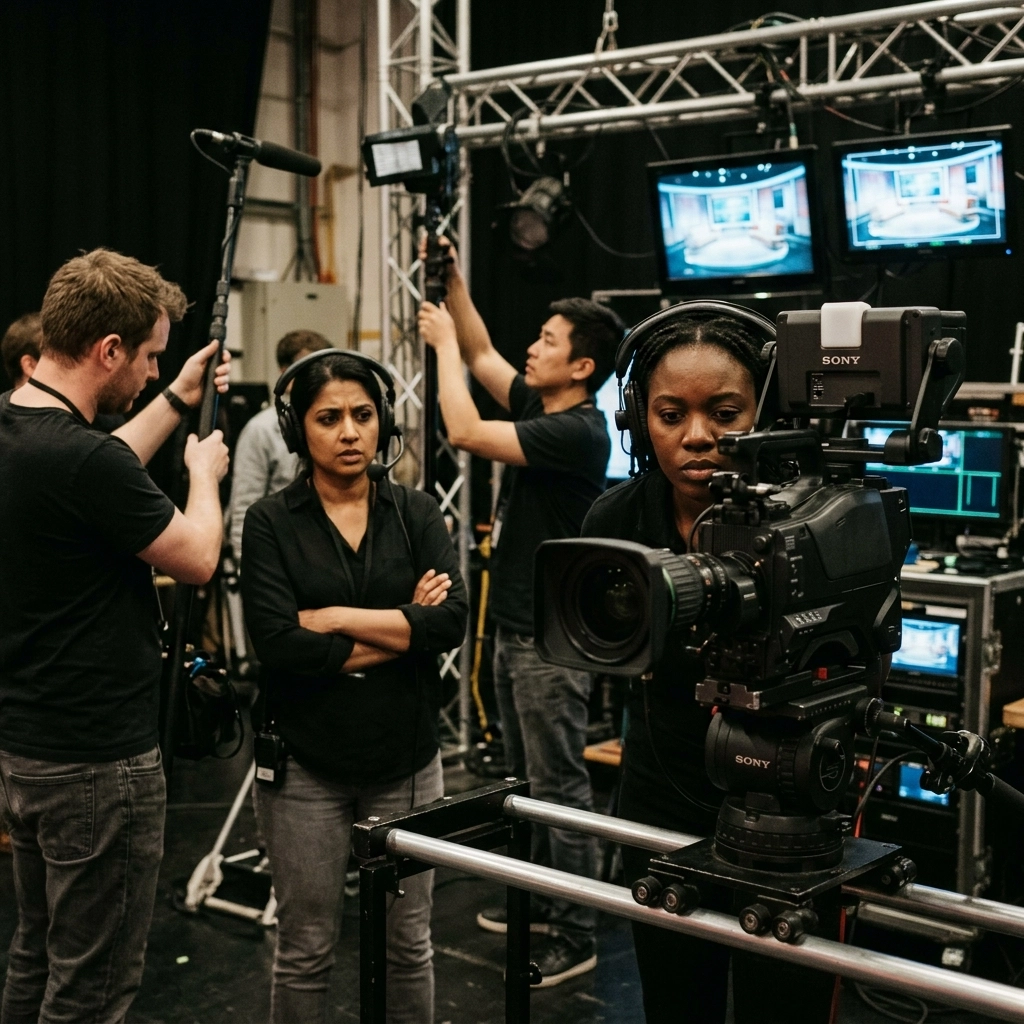
- The British television industry is currently facing a catastrophic talent drain that is being largely ignored by the mainstream press. While the sector likes to pat itself on the back for on-screen representation, the reality behind the camera tells a much darker story of exclusion and systemic failure.
- New data reveals that over 50% of Global Majority professionals in the UK television sector are currently unemployed. This isn’t just a minor dip in the market; it is a full-blown employment crisis that threatens to wipe out an entire generation of creative talent from diverse backgrounds.
- The "talent drain" refers to the thousands of highly skilled editors, directors, producers, and writers who are being forced to abandon their careers because they simply cannot find work. These are individuals who have spent decades honing their craft, only to find the doors slammed shut when the industry tightened its belt.
- Independent news in the UK has a responsibility to highlight these untold stories because the major broadcasters are too busy protecting their brand image to admit their diversity initiatives have failed. These professionals aren't leaving because they’ve lost their passion; they are leaving because the industry is structurally designed to exclude them during periods of economic instability.
- For many Global Majority workers, the "last in, first out" mentality remains the unspoken rule of the production office. When commissions are cut and budgets are slashed, it is those from marginalised backgrounds who find themselves at the top of the redundancy list, regardless of their skill level or contribution to the culture.
- The psychological toll of this crisis cannot be overstated. Professionals who have worked on award-winning programmes now find themselves applying for entry-level roles in unrelated industries just to make ends meet. This is a massive waste of intellectual and creative capital that the UK economy can ill afford.
- We are seeing a total stagnation of progress. The promises made during the social justice movements of 2020 have evaporated, replaced by a "back to basics" approach that prioritises safe, traditional (and often white) networks over genuine inclusivity.
- This crisis is particularly acute in the freelance sector, where the lack of a safety net means that a few months without a contract can lead to total financial ruin. Without the institutional support offered to staff members, Global Majority freelancers are being pushed to the brink of poverty.
Broken Promises and the Financial Strain of Stagnation
- For years, the UK television industry has operated on a diet of performative diversity pledges. Broadcasters and production houses have been quick to sign manifestos and launch shiny new internship schemes, but these initiatives rarely translate into long-term, sustainable employment for senior Global Majority talent.
- The financial strain on these professionals is reaching a breaking point. When you are part of a demographic that is statistically more likely to have less inherited wealth and more family responsibilities, a period of 50% unemployment is not just a career hurdle: it is a life-altering disaster.
- There is a massive disconnect between the diversity targets reported in annual reviews and the lived experience of workers on the ground. Statistics are often padded with entry-level trainees or short-term roles that provide no real career progression or financial security.
- The stagnation of careers is a silent killer in the industry. We see a "bottleneck" effect where diverse talent is brought in at the bottom but blocked from moving into senior management or executive producer roles where the real decision-making power lies.
- Without access to senior roles, Global Majority professionals have no way to influence the hiring process or ensure that their peers are being given a fair shot. This creates a self-perpetuating cycle of exclusion that keeps the industry white at the top and diverse only at the fringes.
- The financial reality of the UK today: soaring rents, high energy bills, and general inflation: means that "waiting for the next gig" is no longer a viable strategy for many. The industry is becoming a playground for the wealthy, where only those with significant financial backing can afford to survive the frequent dry spells.
- This isn't just about jobs; it's about the "untold stories" that will never be filmed because the people who should be telling them have been forced to take jobs in retail or admin. British culture is being hollowed out by a lack of perspective that only a truly diverse workforce can provide.
- The industry's reliance on "who you know" networks continues to disadvantage those who do not come from traditional media backgrounds. Despite all the talk of reform, the "old boys' club" is alive and well, operating through WhatsApp groups and private lunches that remain inaccessible to the majority of Global Majority workers.
Reclaiming the Narrative and Demanding Structural Change
- If the UK television industry is to survive the digital age, it must address this diversity crisis with more than just platitudes. We need a fundamental restructuring of how production is funded, how talent is retained, and how accountability is enforced across the board.
- Independent news in the UK must continue to hold these massive media corporations to account. We cannot allow them to hide behind vague "diversity and inclusion" reports while half of their Global Majority workforce is sitting at home, unable to pay their bills.
- There must be a move away from short-term schemes and toward permanent contracts and career development for diverse talent. An internship is not a career, and a mentorship is not a paycheck. The industry needs to put its money where its mouth is and invest in the longevity of its staff.
- We need to see a radical transparency in hiring practices. Why are certain production companies consistently failing to hire diverse crews? Why are the same directors getting every big-budget commission while talented Global Majority directors are told they "lack experience" despite years of work?
- The financial institutions and government bodies that provide tax breaks and funding to the UK film and TV sector must make that funding contingent on actual employment data, not just "efforts" or "intentions." If you aren't hiring a diverse workforce at every level, you shouldn't be receiving public money.
- The loss of these professionals is a blow to the UK's soft power. Our ability to export stories that resonate globally depends on a workforce that reflects the global population. By pushing out Global Majority talent, the UK is voluntarily surrendering its position as a creative leader.
- The community of Global Majority professionals is beginning to organise and speak out, but the burden of change should not rest on the shoulders of those being excluded. It is the responsibility of those in power to dismantle the barriers they have built and maintained for decades.
- We are witnessing a historical shift where the traditional gatekeepers are failing to meet the demands of a modern, diverse audience. If they do not fix the talent drain now, they will find themselves obsolete as independent creators and new platforms take over the narrative.
The employment crisis facing Global Majority professionals in UK television is a structural failure that requires an immediate and radical response. With over half of this workforce currently unemployed, the industry is not just losing talent; it is losing its soul and its future viability. Addressing the financial strain and career stagnation of these professionals is no longer a matter of corporate social responsibility: it is a matter of survival for British broadcasting. The era of empty pledges must end, and a new era of genuine accountability and structural inclusion must begin to ensure that the untold stories of our society are finally given the platform they deserve.