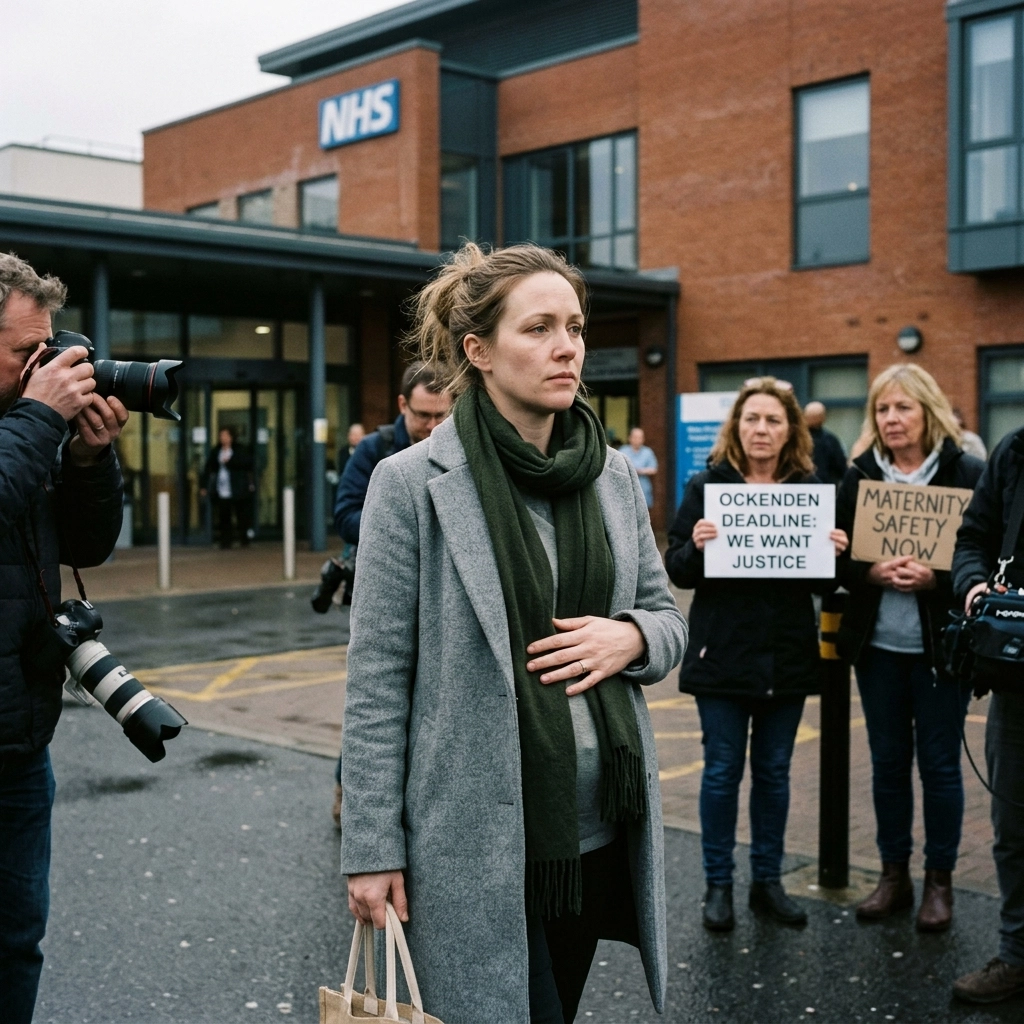
This story is now reaching a key turning point. Donna Ockenden’s review into maternity services at Nottingham University Hospitals NHS Trust is moving towards its final report in June 2026, after years of evidence gathering and testimony from families. For many people following it, the big questions are no longer just about what went wrong, but why the inquiry is now closing and what happens next for the 2,297 families whose cases were included.
Why is the inquiry closing now?
The short answer is that the review had to draw a line somewhere in order to finish its work properly. The deadline for new cases passed in May 2025, and that cut-off allowed the team to stop expanding the scope and focus on reviewing the evidence already submitted. By that stage, 2,297 cases had been identified, covering stillbirths, neonatal deaths, maternal deaths and injuries, and other serious concerns raised by families.
That deadline was difficult, but it was also practical. Without it, the review could have kept growing and delayed the final report even further. The publication date had already moved from September 2025 to June 2026 because of the scale of the evidence and the time needed to assess cases properly. In simple terms, the inquiry is closing because it has reached the stage where gathering more information would risk delaying answers for the families already involved.
The closure of the inquiry does not mean the issues are being wrapped up neatly or forgotten. It means the fact-finding phase is ending so the final findings, conclusions and recommendations can be set out in a report that is detailed enough to stand up to scrutiny.
What happens next for the 2,297 families?
For the families involved, the next stage is likely to be one of the most emotionally difficult. The final report is expected to pull together years of testimony, clinical evidence and patterns of failings across the trust. Many families will be looking for recognition, accountability and a clear explanation of how such serious concerns were allowed to continue over so many years.
Some families have already had direct engagement with the review team and received individual feedback during the process. What comes next is the public release of the full report and, with it, a clearer picture of the systemic problems identified. That could shape further action in several ways, including internal NHS changes, regulatory scrutiny, possible legal action in some cases, and renewed pressure for national reforms in maternity care.
For many of the 2,297 families, the report will not feel like an ending. It is more likely to feel like the start of a new phase. Some will want apologies. Some will want compensation. Some will want disciplinary or policy consequences. Many will simply want a public acknowledgement that what happened to them was real, serious and should never have happened.
Will the final report actually change anything?
That is the question hanging over June 2026. Reviews like this are meant to do more than document harm; they are meant to force change. The expected recommendations, including the wider use of Immediate and Essential Actions, are likely to influence maternity care well beyond Nottingham. The real test, though, will be implementation.
If lessons are acted on, the review could become a major reference point for safer maternity care across the NHS. If they are ignored or watered down, families will understandably see the process as yet another painful exercise in delay. Either way, the closing of the inquiry is not the end of the story. It is the point where responsibility shifts from investigators to the institutions expected to respond.
The final report matters because it should turn years of testimony into an official record that cannot be brushed aside. For the families involved, that may not deliver closure on its own, but it could provide a basis for accountability and lasting change. The next phase will be judged not by the size of the report, but by what is done after it is published.