When you dial 999, you expect a professional, a hero, or at the very least, someone who isn't keeping a collection of Third Reich memorabilia in their home office. It turns out that for the South East Coast Ambulance Service (SECAmb), even that low bar was a bit too high. A series of bombshell revelations has recently ripped through the trust, exposing a culture so toxic it makes a chemical spill look like a spa day. We are talking about Nazi flags on video calls, a systematic bullying culture, and allegations of sexual assault that would turn your stomach. This isn't just a lapse in judgement; it’s a full-blown institutional meltdown that has left the trust being branded as the "worst in the country."
As we dig into these untold stories, it becomes clear that the people tasked with saving lives were, in some cases, making those lives a living hell. This is independent news UK at its most raw, looking at what happens when the sirens stop being a sound of hope and start being a warning of something much darker lurking inside the organisation.
Nazi Symbols And Brazen Bullying
The most visually jarring part of this scandal involves imagery that should have stayed in the history books or, better yet, the bin. During the height of the pandemic, when most of us were struggling to figure out how to blur our Zoom backgrounds, some staff at SECAmb didn't bother. Or worse, they intentionally showed off exactly who they were.
- Reports have emerged of staff members appearing on official internal video calls with Nazi flags clearly visible in the background. It wasn't a one-off mistake; it was a symptom of a culture where such symbols were apparently tolerated or ignored by management.
- The use of such symbols in a taxpayer-funded, life-saving service is more than just "offensive." It creates an environment where minority staff and patients feel fundamentally unsafe.
- Beyond the extremist imagery, the bullying culture was described as "industrial-scale." Whistleblowers have come forward to describe a workplace that functioned more like a high school clique than a professional medical service.
- If you weren't part of the "in-crowd," you were a target. Staff members reported being frozen out of shifts, mocked for raising concerns, and subjected to verbal abuse that went unchecked by senior leadership.
- The "boy's club" atmosphere meant that senior managers often protected their mates, regardless of how many complaints were filed against them. This created a circular system of protectionism where the bullies held all the power.
- Many paramedics and call handlers reported that the stress of the job was nothing compared to the stress of walking into the station. When your colleagues are more dangerous to your mental health than a high-speed motorway call-out, the system is fundamentally broken.
- The impact on retention has been catastrophic. Experienced staff, the kind you definitely want arriving at your door when your chest starts hurting, have been quitting in droves because they simply couldn't stomach the environment anymore.
- The trust's leadership apparently spent more time trying to manage their PR image than actually managing their staff. This focus on "looking good" rather than "being good" allowed the toxicity to fester behind closed doors for years.
When Heroes Become Villains: Abuse Stories
If the bullying wasn't enough to make you lose faith, the allegations of physical and sexual abuse certainly will. The most harrowing story to emerge involves a grandmother who alleged she was sexually assaulted by a staff member. This isn't just a failure of policy; it’s a total betrayal of the public trust that defines the NHS.
- The allegation of sexual assault by a grandmother is particularly chilling. When someone is at their most vulnerable: injured, elderly, and requiring emergency care: they place their absolute trust in the hands of the paramedics. To have that trust violated in such a predatory way is unthinkable.
- Internal reports suggest that this wasn't an isolated incident of inappropriate behaviour. There have been multiple claims of sexual harassment within the workplace, ranging from "locker room talk" to unwanted physical contact.
- Female staff members have spoken out about a pervasive culture of misogyny. They described having to "tough it out" or "laugh off" comments that were clearly crossing the line, fearing that reporting the behaviour would end their careers.
- The grandmother’s case highlights a massive failure in the safeguarding protocols. How was an individual with these tendencies allowed to remain in a position of such power and intimacy with the public?
- It’s been suggested that the trust’s "worst in country" rating isn't just about response times or funding: it’s about a total loss of moral compass. When an organisation stops seeing patients as people and starts seeing them as obstacles or, worse, targets, there is no coming back without a total purge of the leadership.
- Victims of these assaults and harassments have often felt silenced by the trust’s legal and HR departments. Instead of receiving support, many felt they were treated as "problems" that needed to be managed away to protect the organisation’s reputation.
- The psychological toll on the survivors is immense. Many have reported feeling a sense of "double betrayal": first by the individual perpetrator and then by the institution that was supposed to protect them.
- Public confidence in the 999 service in the South East has plummeted. People are now genuinely asking themselves if they are safer waiting for a lift to the hospital rather than calling for an ambulance that might bring a predator to their bedroom.
A Toxic Culture From The Top Down
You don't get Nazi flags and sexual assault allegations in a well-run organisation. These things are the rot that shows up when the foundation is already crumbling. The leadership at SECAmb has been described as being in a state of "perpetual denial," preferring to focus on metrics and spreadsheets while the actual humans under their command were suffering.
- The trust was rated as the "worst in the country" by independent inspectors, a title that is hard to earn given the general state of the NHS right now. To be the worst of the worst takes a special kind of systemic failure.
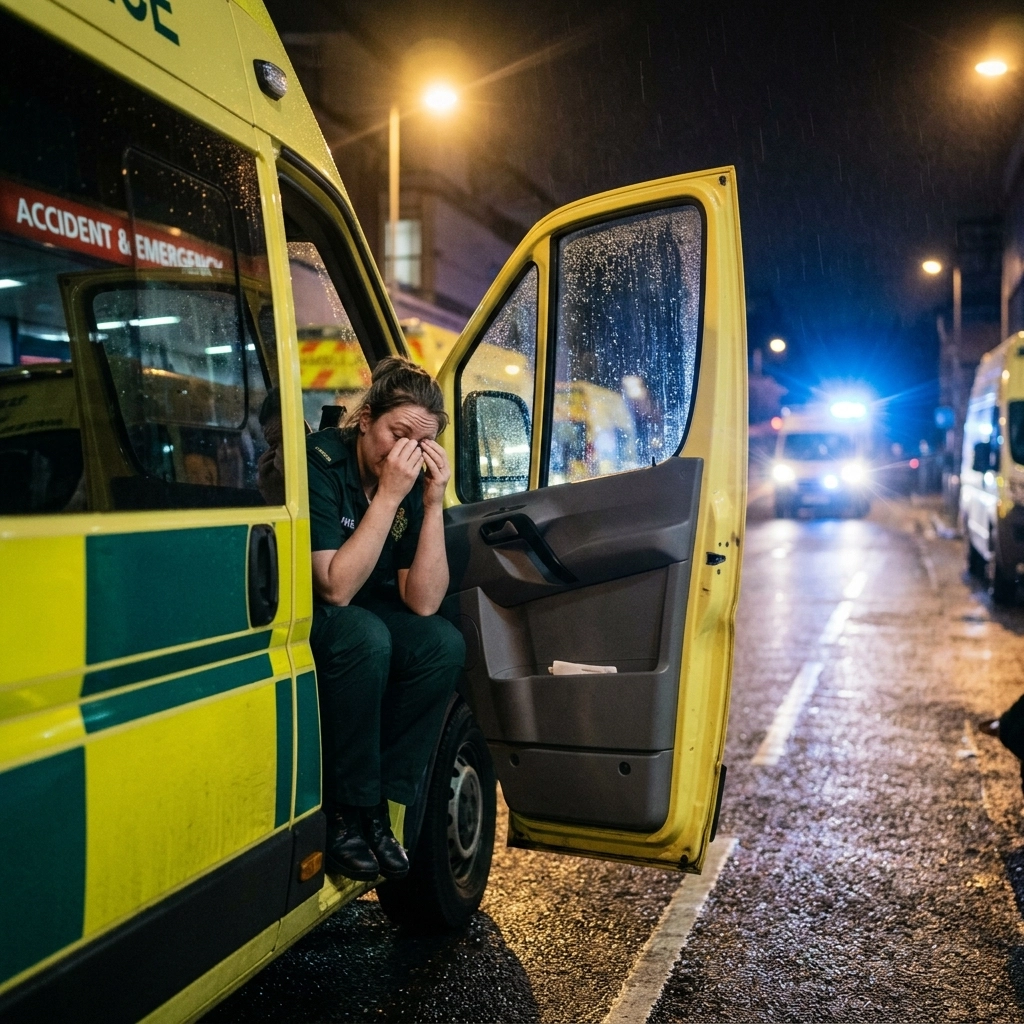
- Inspectors found that the leadership was "out of touch" with the reality on the front line. While executives were enjoying their salaries, paramedics were crying in their vehicles between calls because of the bullying they faced.
- There was a clear "culture of fear" surrounding whistleblowing. Anyone who dared to speak to the press or to external investigators was reportedly threatened with disciplinary action or made to feel like a traitor to the service.
- The lack of diversity and inclusion wasn't just a HR box-ticking exercise; it was a visible failure. When your staff feel comfortable displaying hate symbols on official calls, it’s because they know the people at the top won't do anything about it.
- The financial cost of this scandal is also staggering. Millions of pounds of taxpayer money have been spent on "hush money" settlements, legal fees, and expensive consultants brought in to "fix the culture": fixes that clearly haven't worked.
- The governance of the trust was described as "shambolic." Meetings were held, minutes were taken, but no actual change ever filtered down to the stations where it mattered. It was a bureaucracy designed to protect itself, not to serve the public.
- Even after these stories began to leak, the initial response from the trust was defensive. They attempted to frame these incidents as "isolated cases" rather than acknowledging the systemic nature of the problem.
- The community impact is long-lasting. In the South East, the 999 service is now viewed with suspicion. This isn't just about SECAmb; it taints the entire NHS brand, making it harder for honest, hardworking medics in other trusts to do their jobs.
- True reform will require more than just a change in the CEO. It requires a complete teardown of the "old boys' club" and a genuine commitment to transparency. Until every staff member feels safe to speak up without losing their job, the 999 nightmare will continue.
The situation at the South East Coast Ambulance Service serves as a grim reminder that institutions are only as good as the people who run them. When leadership fails to uphold basic human decency, the results aren't just a bad review: they are life-altering traumas for patients and staff alike. As we continue to follow these untold stories, the demand for accountability only grows louder. The public deserves a 999 service that prioritises lives over reputation, and right now, SECAmb has a very long way to go to prove they can ever be that service again.