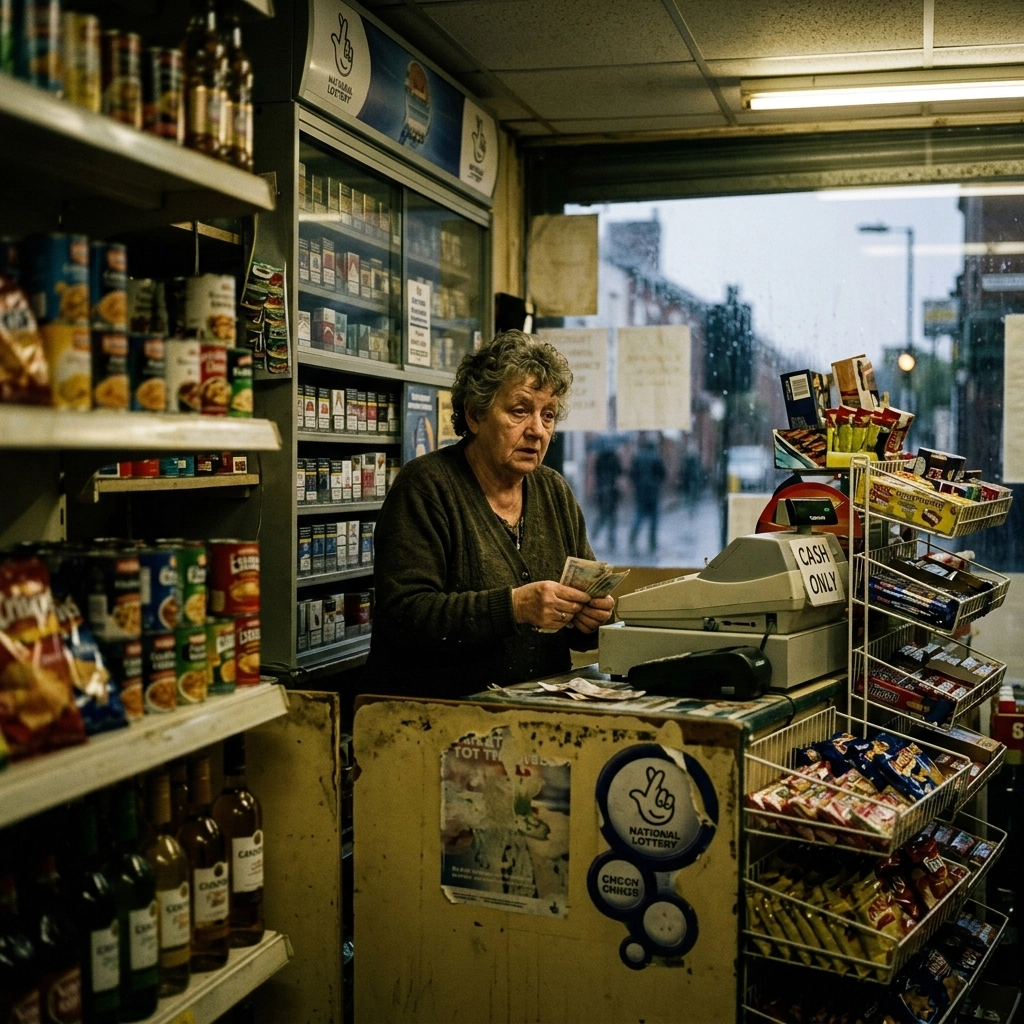
For most of us, the local corner shop is a bastion of British convenience. It is the place you nip into at 9:00 PM when you realise you have run out of milk, or where you grab a cheeky packet of crisps on the way home from work. It is an institution of the high street, often family-run and seemingly wholesome. But behind the stacks of newspapers and the wall of sugary cereals, a much grittier reality is unfolding in towns across the United Kingdom. In recent years, a sophisticated network of organised crime has turned the humble mini-mart into a front for a multi-million-pound illicit tobacco trade.
This is not just about a few "duty-free" packets being sold under the counter to regulars. We are talking about a highly organised, Kurdish-led crime network that has industrialised the sale of illegal cigarettes and hand-rolling tobacco. As part of our commitment to bringing you untold stories at NowPWR, we have looked into the murky depths of this underground economy that thrives in plain sight. This is independent news UK style: unfiltered, bold, and pulling no punches about what is actually happening on your doorstep.
The scale of the problem is staggering. While the authorities play a perpetual game of whack-a-mole, these criminal groups have turned the concealment of illegal goods into something approaching an art form. From hydraulic lifts hidden under floorboards to magnetic secret compartments behind refrigerators, the "dark side" of the corner shop is far more high-tech than your average shopper would ever suspect.
The High-Tech Hides of the High Street
If you think finding illegal tobacco is as simple as a shopkeeper reaching into a bag under the till, you are living in the past. Today’s illicit trade relies on "hides": bespoke, engineered concealment spots that would make a Bond villain blush. During raids across the country, Trading Standards officers and police have discovered incredibly sophisticated mechanisms designed to keep the contraband out of sight during routine inspections.
We have seen reports of shops where a specific sequence of buttons on a till, or a magnet placed on a precise spot on a shelf, triggers an electromagnetic lock. Suddenly, a section of the wall slides back or a floor tile lifts up to reveal thousands of pounds worth of illegal cigarettes. These aren't DIY jobs; these are professional installations. Some "hides" are located inside bathroom walls, under heavy industrial ovens, or even tucked away in the ceiling voids, accessible only via a remote-controlled ladder. It is the kind of offbeat engineering you wouldn't expect to find in a shop selling over-ripened bananas and lottery tickets.
The ingenuity is a direct response to the increased pressure from law enforcement. As the "untold stories" of these raids emerge, it becomes clear that these shops are often just the final link in a very long, very dark chain. The people behind the counter are frequently just cogs in the machine, sometimes working under duress or as part of a wider human trafficking operation. This isn't just about tax evasion; it's about a criminal infrastructure that has embedded itself into the fabric of our communities. When you see a shop that seems to have no customers but somehow stays open for twenty hours a day, you have to start asking questions about what is really paying the rent.
The Network Behind the Counter
To understand the "why" and "how," you have to look at the structure of these organisations. Intelligence from across the UK suggests that a significant portion of this trade is controlled by Kurdish-led organised crime groups. These networks are incredibly tight-knit and operate with a level of discipline that rivals traditional cartels. They oversee everything from the initial smuggling of the products: often "cheap whites" produced in illegal factories in Eastern Europe or the Middle East: to the distribution and the eventual "laundering" of the proceeds through legitimate-looking front businesses.
The money involved is eye-watering. Illicit tobacco costs the UK taxpayer around £2 billion a year in lost revenue. For the individual shop owner, the profit margins are irresistible. A packet of illegal cigarettes might be sold for £5 or £6, while the genuine, taxed version costs upwards of £15. When a shop can shift hundreds of these packs a day, the revenue quickly outstrips anything they could make selling bread and milk. This creates an uneven playing field where honest, law-abiding shopkeepers are priced out of the market by those willing to break the law.
Our inside look at these operations reveals a system of "runners" and "distributors" who ensure that no single shop holds too much stock at once. If a shop is raided and the "hide" is discovered, the loss is manageable for the wider network. The shop might close, the "owner" (often a straw man) might disappear, and a few weeks later, a new name appears above the door, and the cycle begins again. It is a cynical, revolving-door approach to crime that exploits the local high street and funds much more dangerous activities, including drug trafficking and modern slavery. This is why action needed is more than just a slogan; it is a necessity for the survival of legitimate local commerce.
The Real Cost of a Cheap Smoke
It is easy to shrug your shoulders and think, "Who cares if the government doesn't get its tax?" But the reality of the illicit tobacco trade is far more damaging than just a hole in the Treasury’s pocket. Firstly, there is the health aspect. While all smoking is dangerous, counterfeit cigarettes are a different beast entirely. Lab tests on seized goods have found everything from rat droppings and human excrement to high levels of heavy metals like lead and arsenic. These products are manufactured in unregulated, filthy conditions with zero quality control.
Then there is the fire risk. Genuine cigarettes sold in the UK are required to be "reduced ignition propensity" (RIP), meaning they extinguish themselves if left unattended. Counterfeit cigarettes don't have this feature. They are essentially little fire-starters that have been linked to numerous fatal house fires across the country. When you buy that "cheap" pack, you aren't just saving a few quid; you are bringing a genuine hazard into your home.
Furthermore, the presence of these criminal hubs drags down the entire neighbourhood. These shops often become magnets for other forms of anti-social behaviour. They undermine the local economy and create an atmosphere of lawlessness. The "untold stories" of residents living near these shops are often filled with accounts of late-night "deliveries," suspicious characters loitering, and a general sense of unease. By supporting these businesses, even inadvertently, consumers are feeding a beast that ultimately bites the hand that feeds it.
The battle against the dark side of the corner shop is ongoing. Trading Standards and police forces are becoming more adept at spotting the signs of a "hide," and new legislation is constantly being debated to give authorities more power to shut down these fronts permanently. However, as long as there is a demand for cheap, illegal tobacco, the networks will find a way to supply it.
The British corner shop remains a vital part of our culture, but we must be vigilant about the rot that has set into some of its corners. It takes more than just a casual glance to see what is really happening behind the counter. As consumers, being aware of where our money is going is the first step in reclaiming our high streets from the grip of organised crime.
The complexity of these criminal operations requires a coordinated response from both the public and the authorities. Recognising the signs of illicit trade: such as unusually low prices, missing health warnings in English, or suspicious shop behaviour: is essential for community safety. While the allure of a bargain is strong, the hidden costs to public health, local safety, and the national economy are far too high to ignore. Protecting the integrity of the local corner shop means ensuring it remains a place of genuine convenience rather than a facade for international racketeering.